

The Wooden Spoon Chronicles: How I Actually Learned to Cook (and Why You Can Too)
From Burnt Toast to the Sneaky Fox: My Journey to Vibrant, Simple Cooking

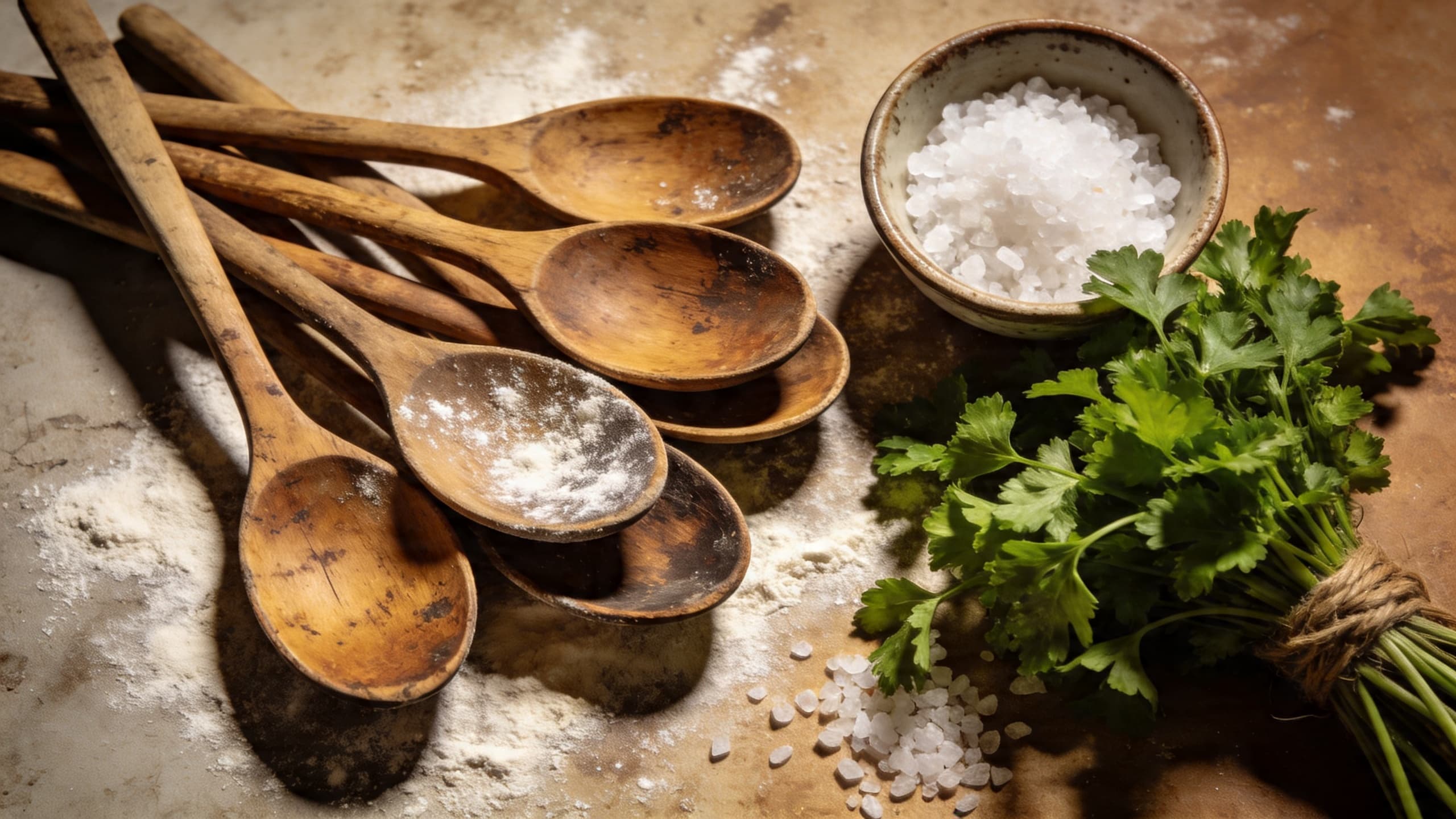
It wasn't a culinary school in Paris or a high-pressure line in a Michelin-starred kitchen that taught me how to cook. In fact, my first "signature dish" as a teenager was a piece of toast so burnt it could have doubled as charcoal for a backyard grill. My journey to becoming the "Sneaky Fox" of the Mediterranean kitchen didn’t start with a whisk; it started with a wooden spoon, a very patient Italian grandmother, and a neighborhood that smelled like toasted spices and roasting peppers.
Learning to cook the Mediterranean way isn't about memorizing complex chemical reactions or mastering a dozen different mother sauces. It’s about learning to listen to your ingredients, trusting your senses, and—most importantly—not being afraid to make a mess in the pursuit of something wholesome.
The Wooden Spoon and the "Taste as You Go" Rule
My grandmother used to say that a recipe is just a polite suggestion. She never owned a measuring cup that wasn't a chipped coffee mug, and her "teaspoons" were just whatever her thumb felt was right. Watching her, I realized that Mediterranean cooking is an intuitive dance.
The most important lesson she taught me wasn't how to dice an onion (though I did eventually learn that without losing a finger); it was the power of the "Mid-way Taste Test."
Tip: Never wait until the dish is plated to season it. Taste your sauce while it simmers, nibble a roasted veggie halfway through, and adjust your lemon or salt then. This builds layers of flavor rather than just a salty top coat.
Finding My "Zest" for Life (and Lemons)
For a long time, I thought "healthy" meant "bland." I tried the steamed-everything approach, and let’s just say it didn't last long. My real breakthrough came when I stopped looking at salt as the only way to make food pop.
I remember the first time I visited my neighbors, who had recently moved from Ethiopia. Their kitchen was a revelation. They didn't just use salt; they used heat, acidity, and earthiness in ways I’d never seen. They’d take simple Mediterranean produce—carrots, lentils, peppers—and transform them with bold, warming spice profiles. It was a bridge between my Italian roots and a wider world of flavor.
Great cooking isn't about complexity; it's about the courage to combine the familiar with the bold.
I started carrying a lemon in my pocket (okay, not literally, but close!). I learned that a squeeze of zest or a splash of vinegar could wake up a tired stew better than a tablespoon of salt ever could. This is where my philosophy of "Vibrant food, vibrant life" truly took root.
The "One-Pot" Revelation for Busy Moms
As my family grew, my kitchen time shrank. I had to pivot from long, leisurely Sunday sauces to "I have 20 minutes before soccer practice" realities. This is when I mastered the art of the one-pot meal.
I learned that if you start with high-quality olive oil and a base of aromatics (garlic, onions, maybe a little celery), you can build a masterpiece in a single cast-iron skillet. You don't need five pans to create a balanced meal; you just need the right sequence.
- The Sear: Get your protein or hearty veggies browned first—that’s where the deep flavor lives.
- The Deglaze: Use a splash of broth or even water to scrape up those tasty brown bits.
- The Simmer: Let everything marry together on low heat while you pack lunchboxes or find that missing left shoe.
Pro Tip: Invest in one high-quality, heavy-bottomed skillet. It retains heat better and creates that beautiful caramelization (the Maillard reaction!) that makes simple Mediterranean ingredients taste like a restaurant meal.
Why I Keep the Kids in the Kitchen
People often ask me how I get my kids to eat so many vegetables. The secret isn't a magic spell—it’s involvement. I learned early on that if a child helps stir the pot, they are 100% more likely to actually eat what’s inside it.
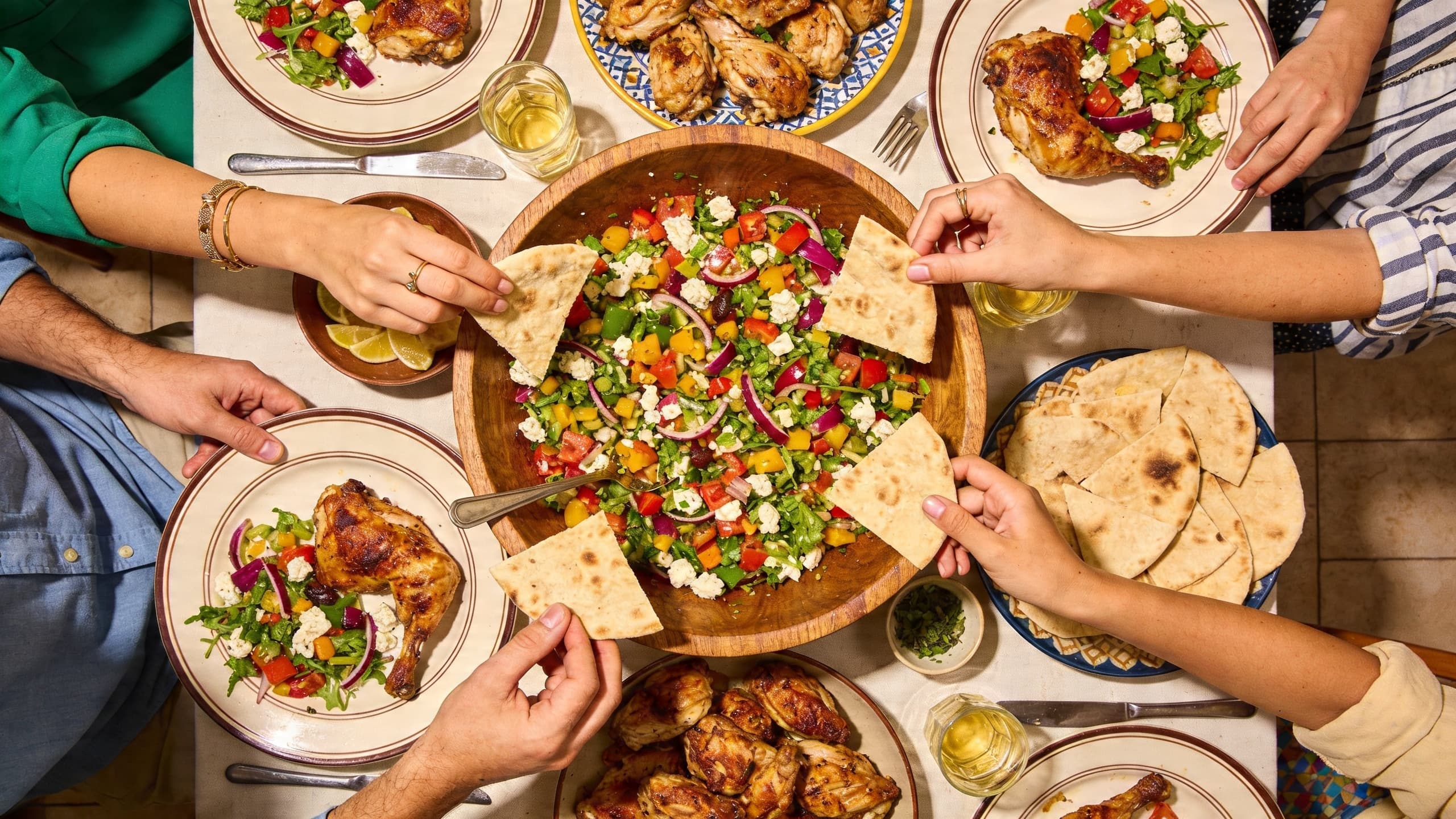
My kitchen is rarely quiet, and it’s almost never perfectly clean. There are flour handprints on the fridge and occasionally a stray chickpea under the table. But that’s the heart of Mediterranean living. It’s communal. It’s messy. It’s loud. And it’s where the best memories—and the best flavors—are made.
Key Takeaways for Your Own Journey
Key Takeaway:
- Start Small: Master one simple grain, one roasted veggie, and one vinaigrette.
- Acid is Your Friend: When a dish tastes "flat," add lemon or vinegar before reaching for the salt.
- Embrace the Mess: Perfection is the enemy of deliciousness.
- Cook for Love: The best ingredient in any Mediterranean kitchen is the intention to nourish the people you care about.
Healthy eating shouldn't be a chore; it should be the most delicious part of your family's day. Whether you're a burnt-toast beginner or a seasoned home cook, there’s always a new spice to blend or a new "sneaky" veggie hack to discover. From my kitchen to yours, happy cooking!
#mediterraneandiet #homecooking #familyrecipes #healthylifestyle