

The Red Gold Secret: 5 Sneaky Ways Sumac Transforms Your Veggies
How a tiny red berry turns boring sides into the stars of the show.

Pull up a chair, friends! Imagine we’re sitting under the dappled shade of an old olive tree, the scent of wild thyme in the air and a pot of honey-sweetened mountain tea between us. Today, I want to let you in on a little secret that changed the way I look at my vegetable crisper forever.
For years, I struggled to get my kids—and let’s be honest, sometimes myself—excited about "everyday" vegetables. Steamed broccoli? Fine. Roasted carrots? Okay. But where was the spark? The answer wasn't in a complicated sauce or a mountain of butter. It was hiding in a small jar of deep, burgundy-red powder: Sumac.
Sumac is the unsung hero of the Mediterranean pantry. It’s not a pepper, and it’s not a seed; it’s actually a dried berry! It has this incredible, tangy, almost vinegary brightness that wakes up food without the "pucker" factor of a fresh lemon. Marissa and I have spent countless evenings in the kitchen, experimenting with just how much of this "red gold" we could sneak into our family meals.
Here are five ways we’ve learned to use sumac to turn boring veggies into the stars of the show.
1. The "Invisible" Lemon Replacement
We’ve all been there: you’re halfway through making a salad or roasting a tray of asparagus and—gasp—you’re out of lemons. This was a weekly occurrence in my house until I realized sumac is nature's dry citrus.
Unlike lemon juice, which can make roasted vegetables soggy if you add it too early, sumac adds that essential "zing" while keeping things perfectly crisp. I love to toss cauliflower florets in olive oil and sumac before they hit the oven. The sumac caramelizes slightly, creating these little pockets of tartness that cut right through the richness of the oil.
Tip: If you’re watching your sodium, sumac is a fantastic salt-mimicker. Its acidity tricks your tongue into thinking a dish is more seasoned than it actually is!
2. Elevating the Humble Onion
In many Mediterranean traditions, raw onions are soaked in water or vinegar to take away their "bite." But Marissa’s favorite trick? The Sumac Rub.
Slice red onions paper-thin, sprinkle them generously with sumac and a pinch of salt, and massage them with your hands for about 30 seconds. The onions turn a gorgeous vibrant pink and become soft, sweet, and tangy. They are absolute magic on top of a simple cucumber salad or even tucked into a turkey sandwich.
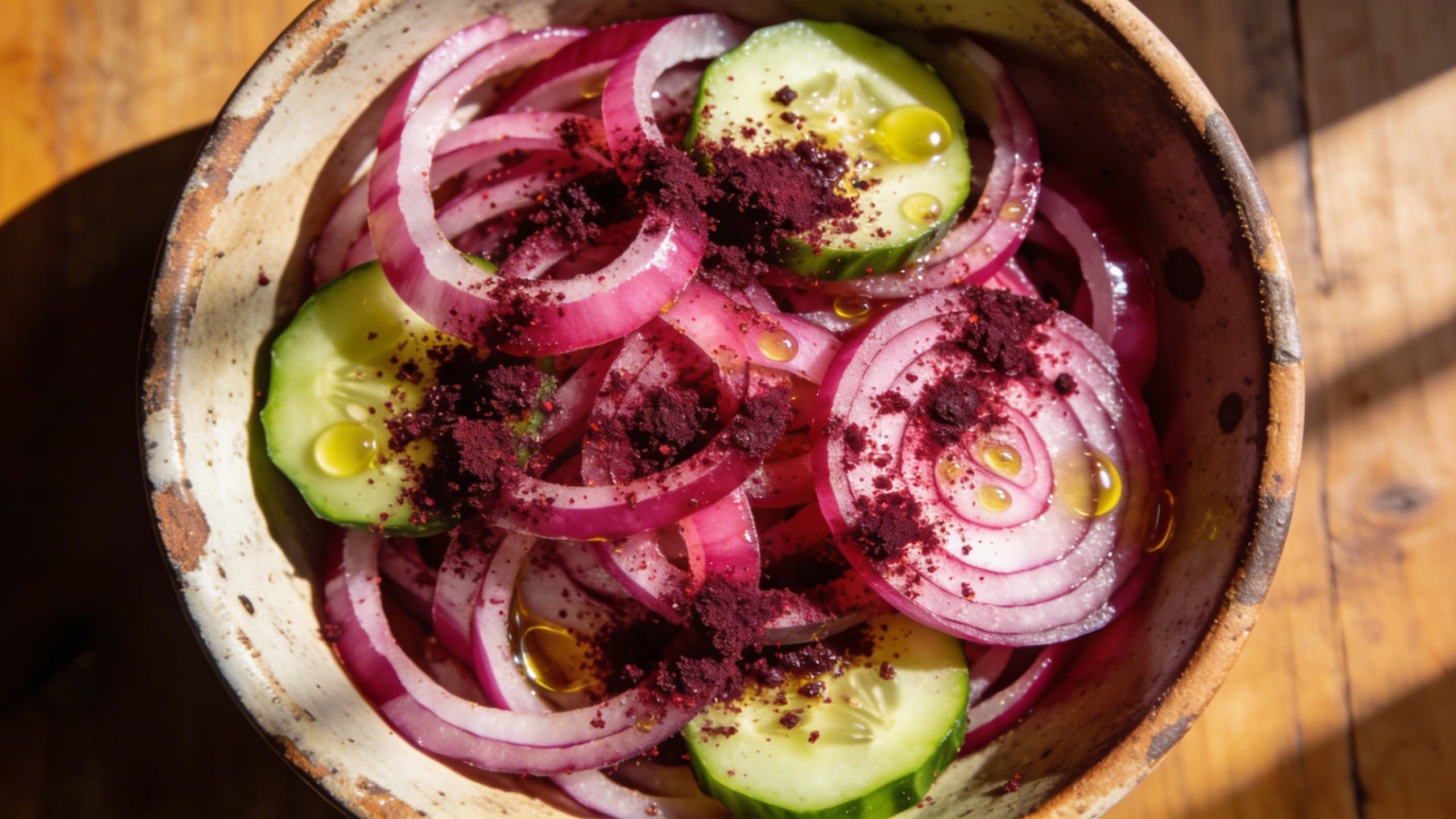
Sumac doesn't just change the flavor; it changes the mood of a dish from heavy to bright.
3. The Secret to "Crave-Worthy" Root Veggies
Carrots, sweet potatoes, and beets are naturally sweet, but they can sometimes feel a bit one-note. Sumac provides the perfect earthy contrast.
I remember one Tuesday night when I was trying to use up a bag of "sad" carrots. I roasted them with nothing but olive oil and a heavy dusting of sumac. The result? They tasted like they’d been marinated in a fancy vinaigrette for hours. The tannins in the sumac (similar to what you find in red wine) add a sophisticated depth that makes simple roots feel like a gourmet side dish.
Pro Tip: For an extra layer of flavor, mix sumac with a little toasted sesame oil. The nuttiness and the tartness are a match made in heaven for roasted parsnips!
4. The "Pop" Factor for Creamy Dips
If you’re serving hummus, baba ganoush, or even a simple Greek yogurt dip, sumac is your best friend. It’s not just for garnish! While it looks beautiful as a crimson dusting on top, stirring it into the dip adds a layered acidity that builds as you eat.
Marissa often makes a "Cheat’s Tzatziki" by mixing thick yogurt, grated cucumber, and a tablespoon of sumac. It’s cooling, bright, and far more interesting than the standard version.
5. Reviving Withered Greens
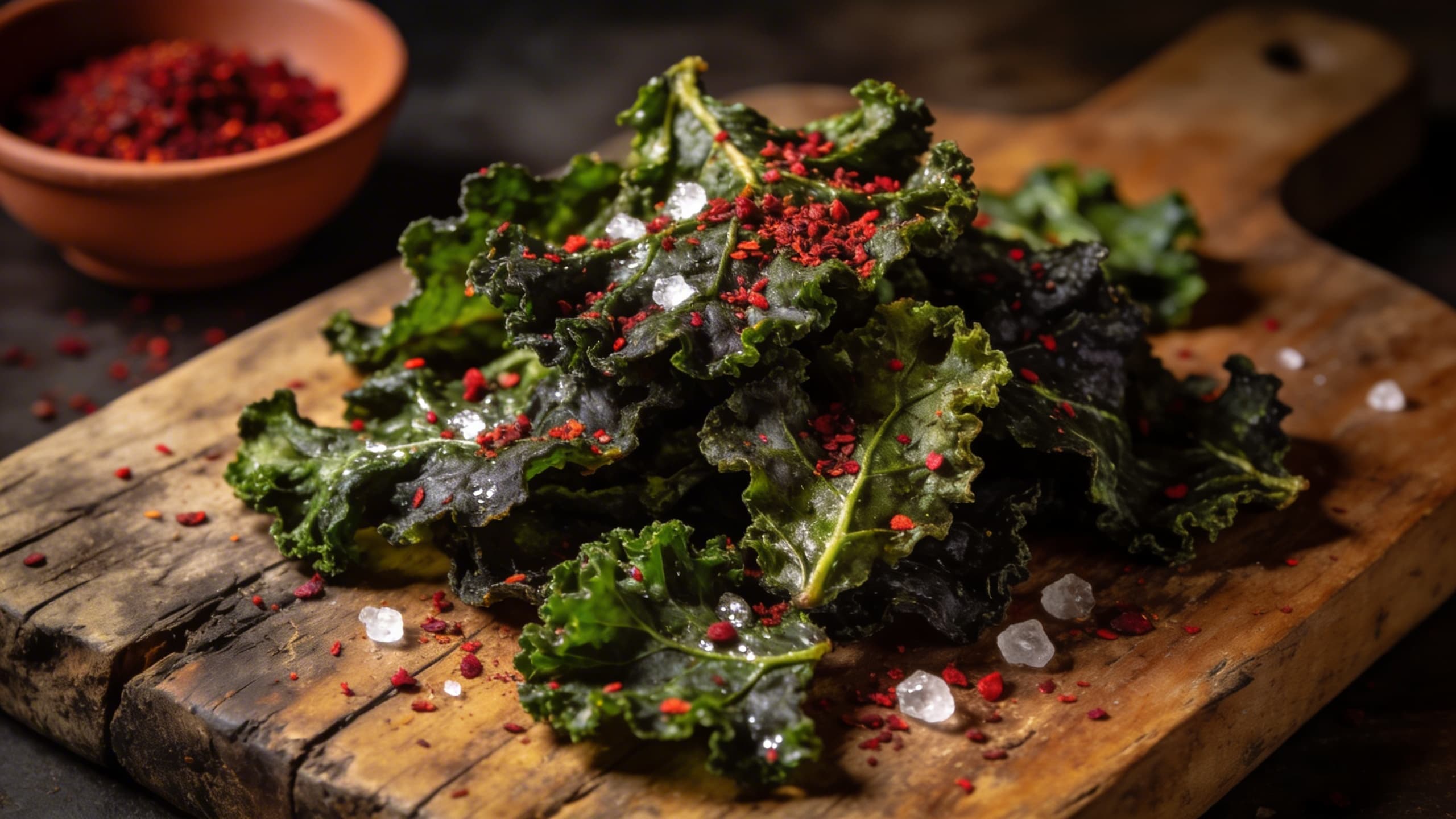
We’ve all had that bag of spinach or kale that’s looking a little uninspired. Instead of just sautéing it with garlic (which is great, don't get me wrong!), try finishing it with a squeeze of sumac right before serving.
The heat from the greens releases the oils in the sumac, creating a "fresh" flavor that makes the greens taste like they were picked that morning. It’s my go-to move for kale chips, too—sprinkle it on as they come out of the air fryer for a "Zesty Ranch" vibe without the calories.
Why Your Body Loves It Too
Beyond the flavor, sumac is a nutritional powerhouse. It’s packed with antioxidants—specifically polyphenols—that help fight inflammation in the body. In the Mediterranean, we’ve used it for centuries to aid digestion. Adding it to your veggies isn't just a culinary win; it’s a heart-healthy choice that fits perfectly into a vibrant, nourishing lifestyle.
Key Takeaway: Sumac is the ultimate "low effort, high reward" spice. It adds acidity without moisture, color without heat, and health benefits in every pinch.
I hope this inspires you to reach for that little red jar tonight. Cooking shouldn't be about following strict rules; it’s about finding those little "cheats" that make healthy food taste like a celebration.
From my kitchen to yours, may your veggies always be vibrant and your plates always full! 🦊🌿
#sumachacks #mediterraneandiet #healthyeating #veggielover