

The Liquid Gold Secret: Mastering the Art of the Olive Oil Pantry
Picking the right olive oil for cooking, dressings, and dipping—lessons from my seaside Greek village hauls

The Liquid Gold Secret: Mastering the Art of the Olive Oil Pantry
There is a specific scent that lives in my bones—the smell of freshly pressed olives, green and peppery, drifting through the narrow stone alleys of a Greek seaside village. Growing up, olive oil wasn't just an "ingredient" on a shelf; it was the lifeblood of every meal. We used it to fry, to drizzle, to preserve, and even to heal. But when I first started stocking my own kitchen away from those sun-drenched groves, I realized how overwhelming the "Olive Oil Aisle" can be.
Is "Light" olive oil healthier? Does "Cold Pressed" actually matter? And why does that fancy bottle taste like... well, nothing?
Healthy eating shouldn't be a chore; it should be the most delicious part of your family's day. And the easiest way to elevate your cooking from "fine" to "vibrant" is by mastering your olive oil pantry. Let’s dive into the five essentials every home cook needs to know.
1. The "Everyday" Extra Virgin (The Workhorse)
Not every dish requires a $40 bottle of artisanal oil. For your daily sautéing, roasting, and sheet-pan dinners, you need a high-quality, reliable Extra Virgin Olive Oil (EVOO).
Tip: Look for "Harvest Dates" rather than "Best By" dates. Olive oil is a fruit juice, and it’s best consumed within 18–24 months of being picked. If a bottle doesn't list a harvest date, it’s likely a blend of older oils.
I remember my first "trial and error" moment—I once tried to roast a whole chicken using a delicate, expensive finishing oil I'd splurged on. The high heat of the oven completely muted the floral notes I’d paid so much for. It was a delicious mistake, but an expensive one! Now, I save the robust, mid-range EVOO for the heat.
2. The "Finishing" Oil (The Magic Wand)
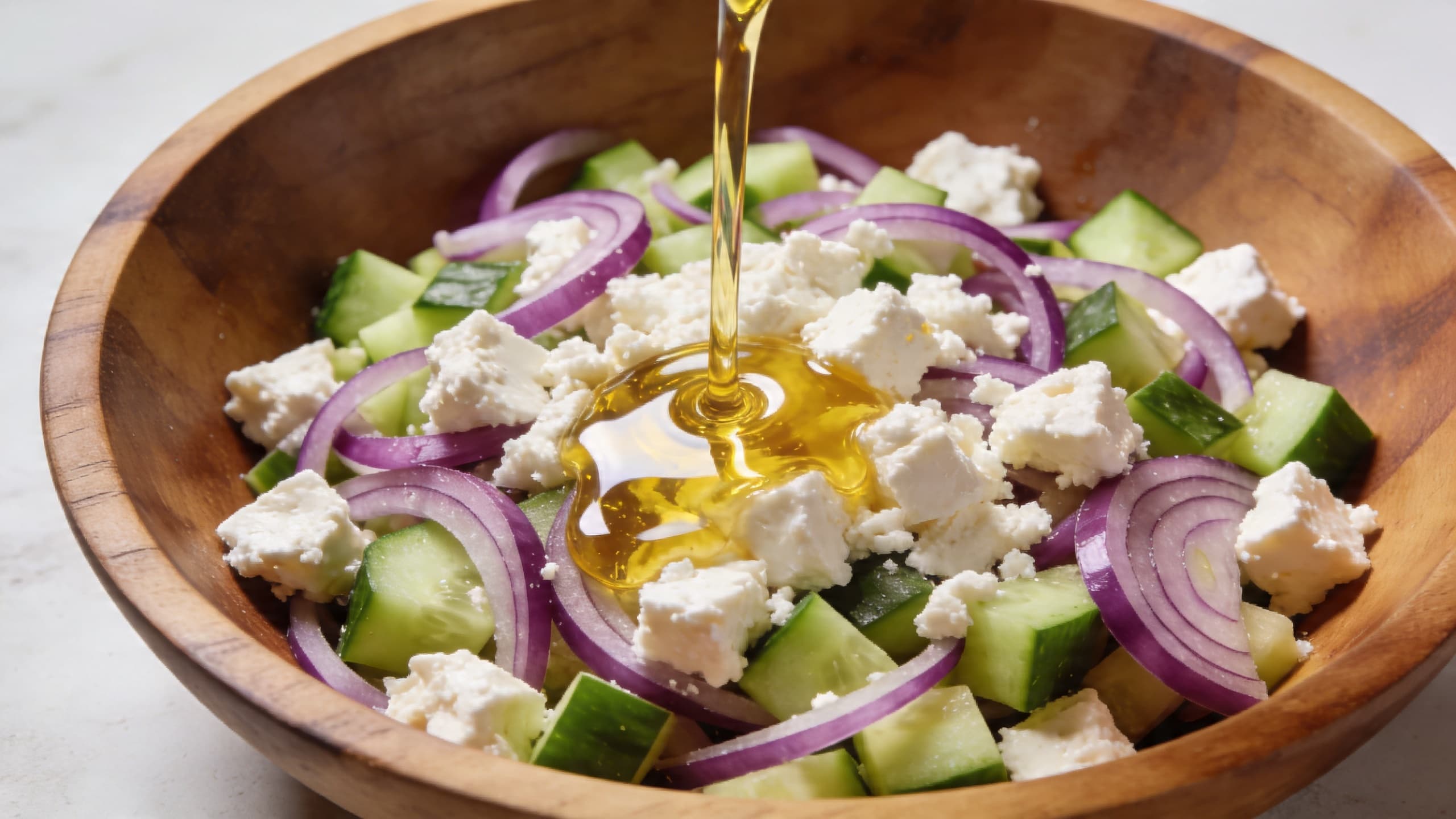
This is the oil you never, ever heat. This is for drizzling over a finished bowl of Sunny Greek Orzo Salad with Grilled Shrimp or dipping a piece of warm crusty bread.
Finishing oils are often single-origin (from one specific place, like Crete or Tuscany) and have intense flavor profiles—think notes of tomato leaf, artichoke, or black pepper.
Great olive oil should make your throat tingle. That peppery kick? That’s the polyphenols—the anti-inflammatory magic—saying hello!
3. Decoding the "Light" and "Pure" Myth
If you see a bottle labeled "Light Olive Oil," please know it has nothing to do with calories. "Light" refers to the flavor and color. These oils have been refined to remove the strong olive taste and have a higher smoke point.
Warning: Refined oils (Pure, Light, Pomace) lack the heart-healthy antioxidants found in Extra Virgin. While they are okay for high-heat frying, I always prefer a refined avocado oil or a neutral Grapeseed oil if I’m not using EVOO.
4. Storage: The Three Enemies of Gold
You’ve found the perfect bottle. Now, don't kill it! Olive oil has three mortal enemies: Light, Heat, and Oxygen.
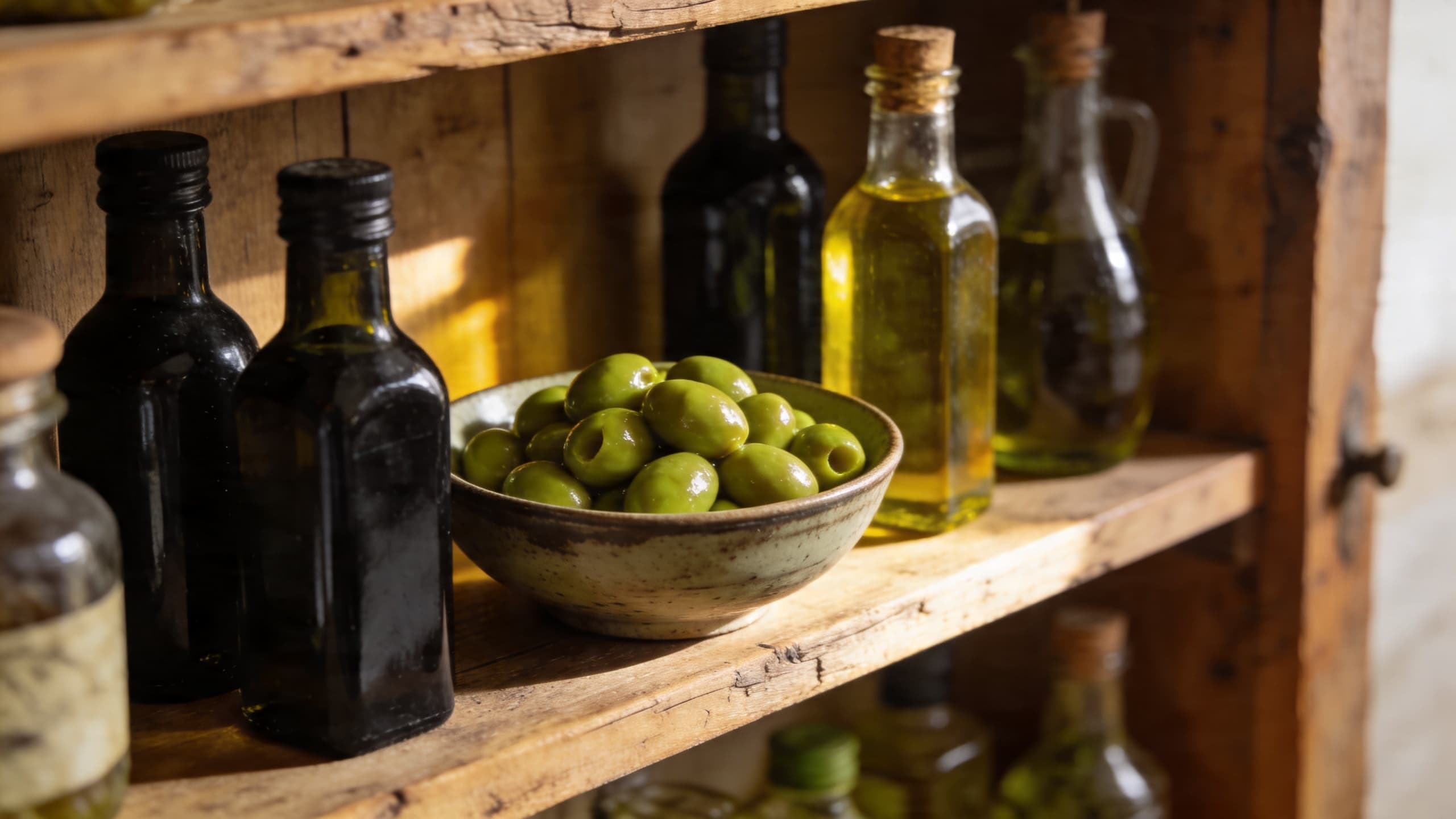
- Light: Always buy oil in dark glass bottles or tins. Clear glass is a recipe for rancidity.
- Heat: Never store your oil right next to the stove. I know it’s convenient, but that constant heat cycle degrades the oil fast.
- Oxygen: Once you open a bottle, use it! Don't "save" the good stuff for a special occasion. Use it within 3 months of opening for the best flavor.
Pro Tip: If your olive oil smells like crayons or old peanuts, it’s gone rancid. Toss it! Fresh oil should smell like grass, herbs, or fruit.
5. Scaling Your Flavors (The Village Secret)
In the village, we didn't use measuring spoons; we used our senses. When scaling a recipe for a big family gathering, remember that olive oil carries flavor. If you are doubling a dressing, you might not need to double the oil exactly—sometimes a little less oil and a little more lemon juice keeps the dish "vibrant" rather than "heavy."
Key Takeaways for a Fox-Approved Pantry:
- Two-Bottle System: Keep one large tin of "everyday" EVOO for cooking and one small, dark bottle of "finishing" oil for raw use.
- Check the Label: Look for the "Third-Party Seal" (like COOC or IOC) to ensure you’re getting 100% real juice.
- Cool and Dark: Store your stash in a pantry or cupboard, far away from the oven's glow.
Did You Know? Despite the myths, high-quality EVOO is actually very stable for cooking! Its high antioxidant content protects the oil from breaking down at standard roasting temperatures (up to 400°F/200°C).
Vibrant food leads to a vibrant life, and it all starts with the fat you choose to fuel your kitchen. From my seaside village memories to your modern kitchen, let that liquid gold shine!
#oliveoil #mediterraneandiet #kitchenhacks #pantryessentials #healthycooking