

The Herb Whisperer: 5 Sneaky Mistakes Muting Your Flavors (and How to Fix Them)
Unlock the Zesty Secrets of the Mediterranean Kitchen

The Green Heart of the Mediterranean
If you stepped into my kitchen on a breezy Tuesday afternoon, the first thing you’d notice isn’t the sizzle of the pan or the aroma of roasting garlic—it’s the scent of freshly bruised mint and parsley. To me, herbs aren't just a garnish; they are the soul of the dish. They are the difference between a meal that feels like a "chore" and one that feels like a sun-drenched escape to a seaside village.
But I’ll be honest with you: for years, I watched my beautiful bunches of cilantro turn into slimy science experiments in the crisper drawer. I’ve accidentally "cooked" the flavor right out of my basil, leaving it black and bitter. We’ve all been there! The good news? Transforming your home cooking from "meh" to "magnificent" usually only requires fixing a few simple habits.
Let’s dive into the five most common herb hiccups and the simple, fox-approved fixes that will keep your family’s plates vibrant and nourishing.
1. The "Bouquet" Blunder: Treating All Herbs the Same
One of the biggest mistakes is assuming every green sprig in your kitchen wants the same treatment. In the Mediterranean tradition, we categorize herbs into two camps: the Hardy and the Tender.
Hardy herbs (rosemary, thyme, oregano, sage) have woody stems and can handle the heat. They belong in the pot during the cooking process to release their oils. Tender herbs (parsley, cilantro, mint, basil, dill) are delicate souls. If you simmer them for forty minutes, their bright, zesty personality evaporates.
The Fix: Add hardy herbs at the beginning of roasting or sautéing. Save your tender herbs for the very end—stir them in just before serving or use them as a fresh topping to keep those vitamins and flavors intact.
2. The "Dull Blade" Bruise
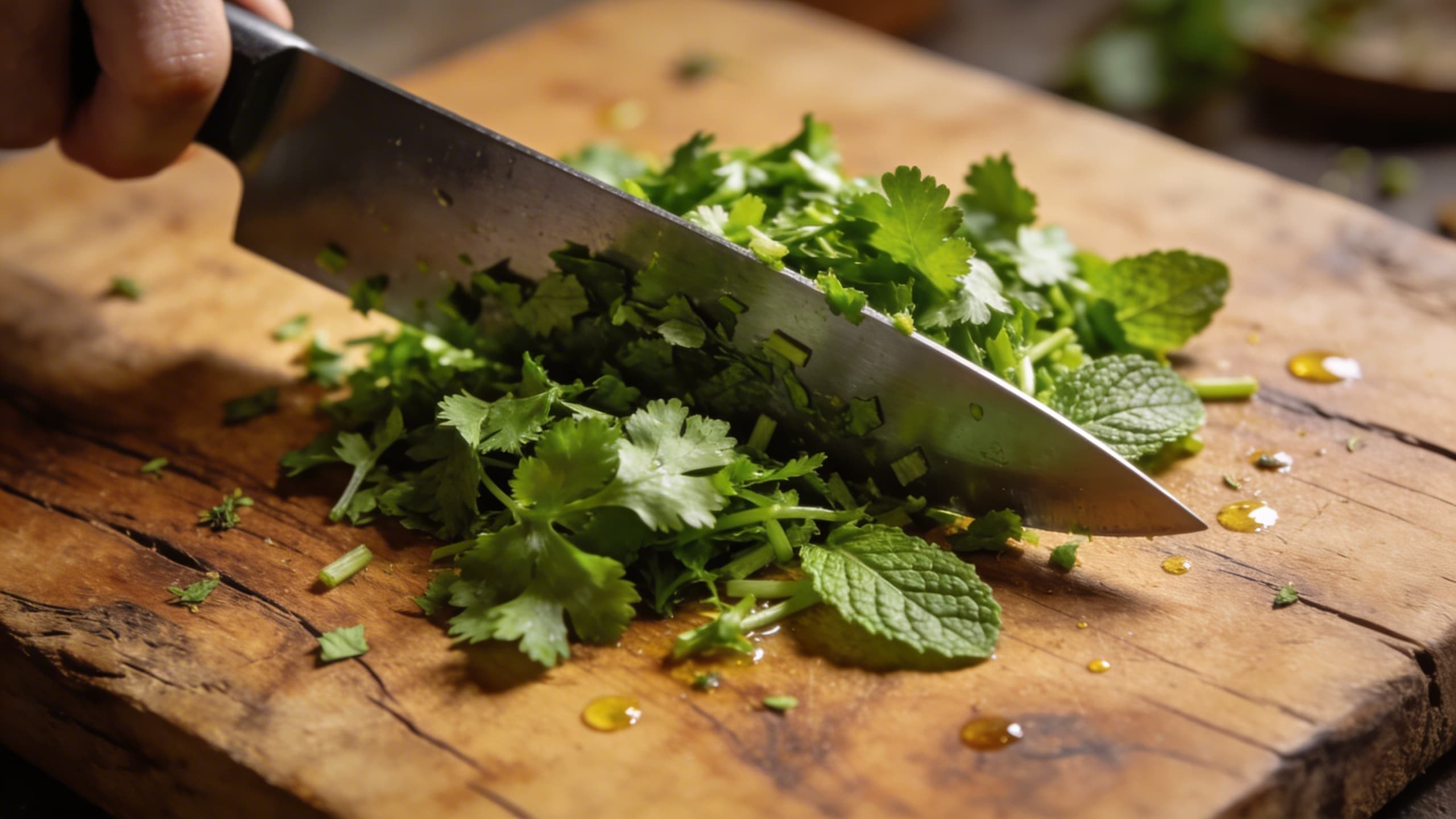
Have you ever chopped basil only to see it turn dark green or black within minutes? That’s not just bad luck; it’s a cry for help from your knife! When we use a dull blade, we aren't "cutting" the herbs; we are crushing them. This squeezes out the flavorful essential oils onto the cutting board instead of keeping them inside the leaves.
Great cooking is about respecting the ingredient, and a sharp knife is the ultimate sign of respect for a fresh herb.
Pro Tip: Use a very sharp knife and a "rocking" motion rather than a heavy chopping motion. If you’re working with basil, try the Chiffonade technique: stack the leaves, roll them like a cigar, and slice thin ribbons. It minimizes bruising and looks beautiful on a plate!
3. The "Crisper Drawer" Burial Ground
We’ve all bought that beautiful bunch of parsley, shoved it in the plastic bag into the fridge, and found a yellowing mess three days later. Herbs need a balance of moisture and air—not a plastic tomb.
Did You Know? Most tender herbs thrive when treated like a bouquet of flowers.
The Fix: For parsley, cilantro, and mint: trim the ends, place them in a jar with an inch of water, and cover loosely with a plastic bag. For basil, keep it on the counter in water—basil actually hates the cold and will turn black in the fridge!
4. Throwing Away the "Gold" (The Stems!)
Stop! Before you toss those parsley or cilantro stems in the compost, remember that they often hold more flavor and crunch than the leaves themselves. In my kitchen, we waste nothing. The stems are packed with fiber and that intense, zesty punch we love.
Tip: Finely mince cilantro or parsley stems and sauté them right along with your onions and garlic. They add an incredible depth of flavor that leaves alone can't match. Save the woody stems from rosemary or thyme to toss into your bone broths or stocks!
5. The "Garnish Only" Mindset
The final mistake is thinking herbs are just for decoration. In many Mediterranean and Middle Eastern cultures, herbs are treated like leafy greens—think of a Tabbouleh salad where parsley is the main event, not just a sprinkle on top!
By using herbs in large quantities, you aren't just adding flavor; you're adding a massive hit of antioxidants and anti-inflammatory benefits to your family's diet without adding a single gram of salt or fat.
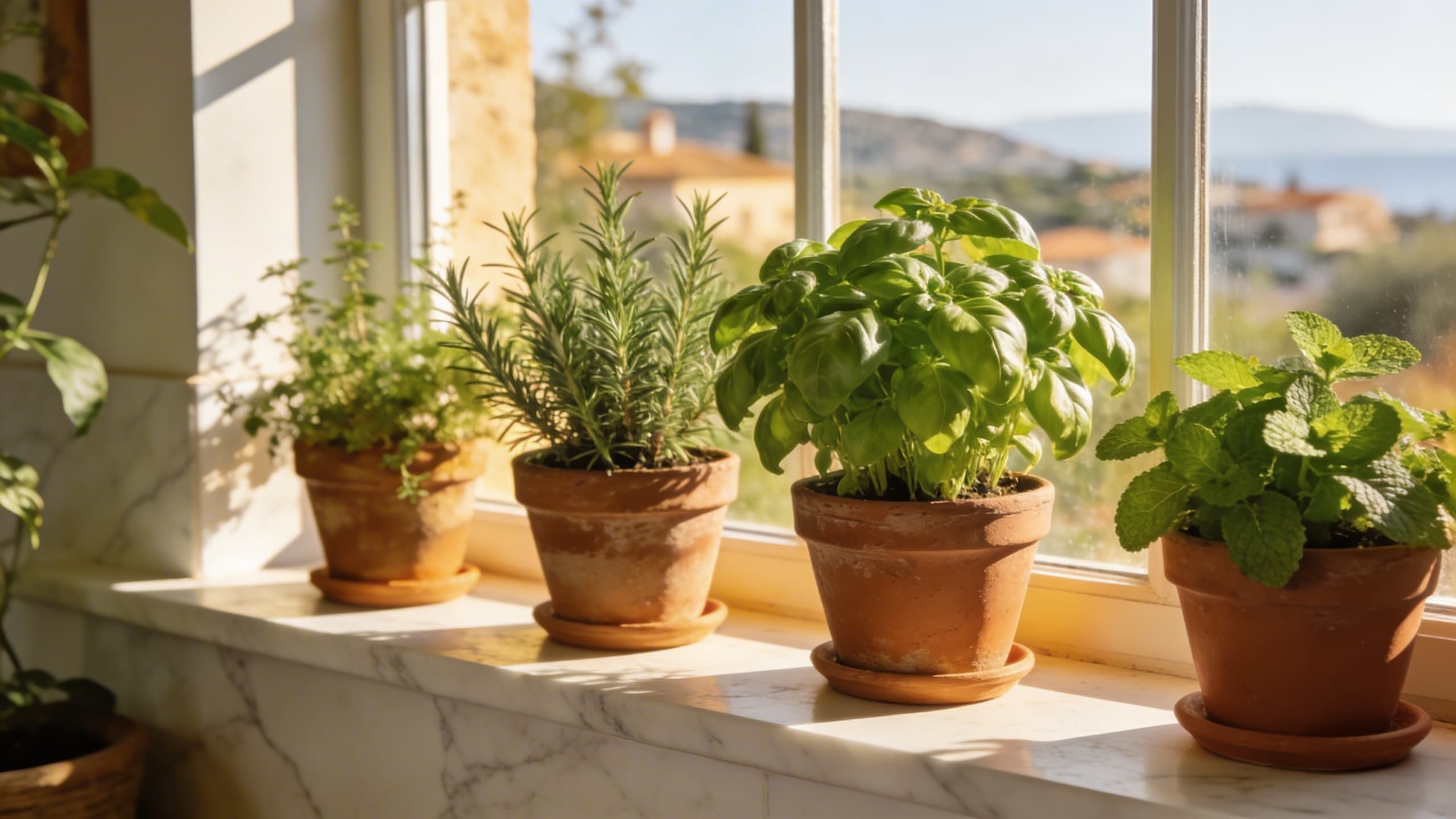
Key Takeaway: Treat your herbs as a primary ingredient. Use them in handfuls, not pinches. Your heart (and your taste buds) will thank you!
Cooking with herbs should be a joy, a sensory experience that connects you to the earth and the seasons. By making these five small tweaks, you're not just making better food—you're making healthy eating the highlight of your day.
From my kitchen to yours, keep it fresh, keep it vibrant, and don't be afraid to get a little green on your hands! 🌿🦊✨
#herbcooking #mediterraneandiet #healthyeating #kitchenhacks #simplymediterranean