

The Great Falafel Flip: 5 Mistakes Turning Your Bites Soggy (and How to Fix Them)
Mastering the crunch while keeping the nutrition on point.

The Great Falafel Flip: Why Your Homemade Bites Aren't Crunching
Let’s be honest: there is nothing quite as heartbreaking in the kitchen as craving a plate of golden, shatteringly-crisp falafel, only to end up with a plate of mushy, oil-soaked sponges. 🦊💔 I’ve been there, standing over my skillet in a cloud of steam, wondering where it all went wrong. For years, I thought I was just missing some secret "seaside magic" from the Mediterranean stalls I loved, but it turns out, the secret isn't magic—it’s science (and a few little tweaks to how we handle our beans!).
When we talk about "healthy" Mediterranean food, falafel is a superstar. It’s a plant-based protein powerhouse, but if it’s dripping in oil because the crust didn't form properly, we lose those heart-healthy benefits. Today, we’re diving into the nutrition and the technique to make sure every bite is as vibrant and light as a sunny Greek afternoon.
1. The Canned Chickpea Catastrophe
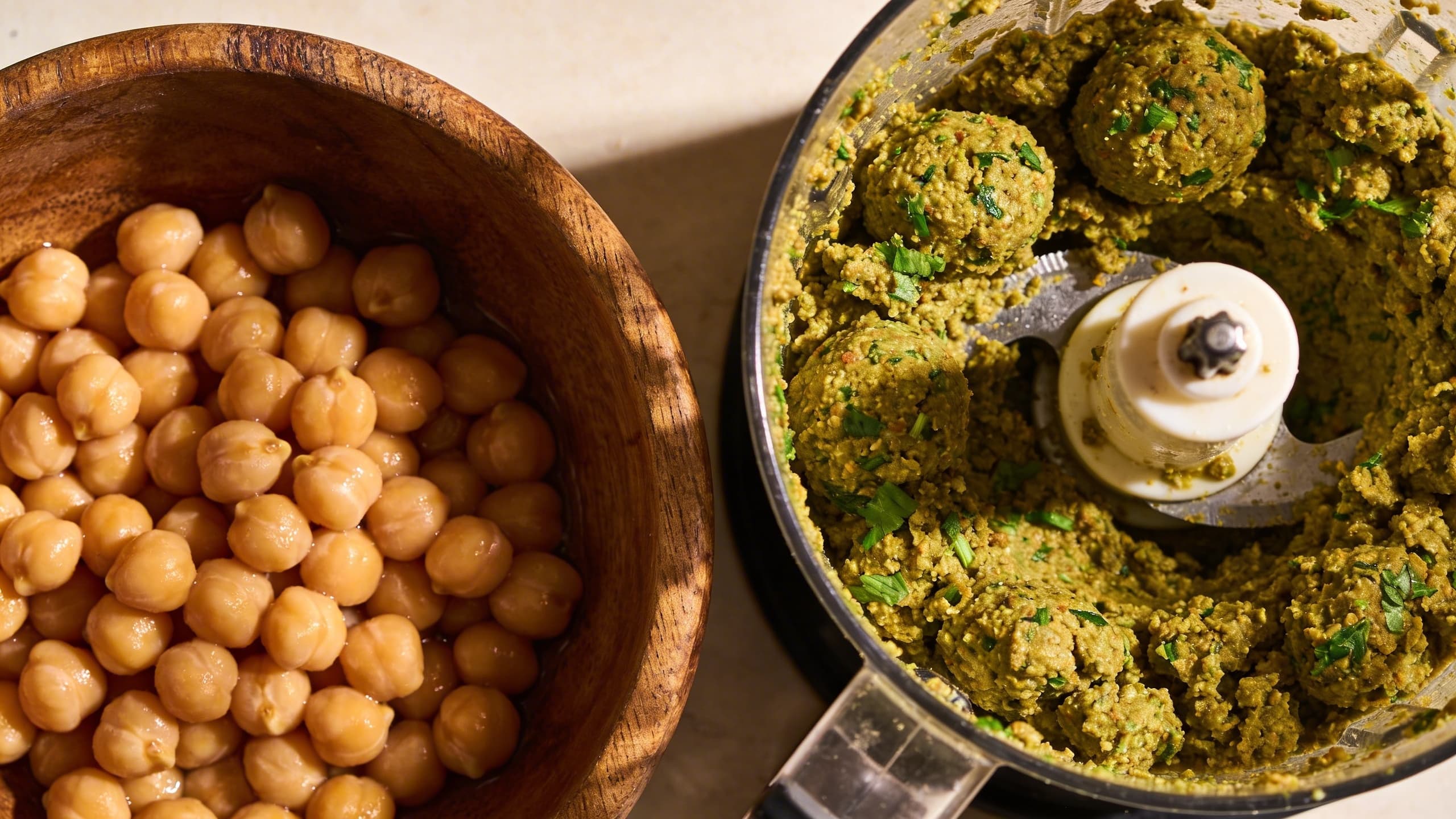
This is the #1 mistake I see, and I’ll admit, I fell for it for a long time because it’s so much faster. But here’s the nutritional and structural truth: canned chickpeas are already cooked. They are saturated with water. When you grind them up for falafel, you’re creating a paste that is essentially hummus.
When that wet paste hits hot oil, the moisture tries to escape as steam, but since the batter is so dense, it just sits there, boiling the inside and preventing a crust from forming.
Key Takeaway: For that authentic, grainy texture and a crust that actually stays crisp, you must use dried chickpeas that have been soaked for 24 hours but not cooked.
2. The "Too Much Green" Gremlin
We all love fresh herbs—I’m the first person to tell you to double the parsley and cilantro! But herbs are mostly water. If you wash your herbs and toss them straight into the processor while they’re still dripping, you’re adding hidden liquid to your batter. This extra moisture is a one-way ticket to Soggy Town.
Tip: Use a salad spinner or pat your herbs bone-dry with a kitchen towel before pulsing. You want the flavor and the fiber, not the water!
3. Skipping the "Chill Out" Session
I know, when the family is hungry, waiting another 30 minutes feels like a lifetime. But resting your falafel mix in the fridge is a game-changer for moisture control. During this rest, the natural starches in the chickpeas start to hydrate and bind the mixture together.
The fridge isn't just for storage; it's a structural engineer for your dinner.
If you skip this, the balls are more likely to fall apart or leak moisture into the oil, lowering the temperature and making them greasy.
4. The Crowded Pan Syndrome
We’ve all done it—trying to fit every single falafel into one pan to save time. But here’s the science: every time you add a cold piece of falafel to the oil, the temperature drops. If you crowd the pan, the temperature plummets so low that the falafel "stews" in the oil instead of searing.
Pro Tip: Aim for an oil temperature of 350°F (175°C). Fry in small batches so the oil stays hot enough to instantly seal the exterior. This creates a barrier that keeps the oil out and the moisture (the good kind!) in.
5. Forgetting the "Breathable" Landing Pad
You’ve done everything right. They look beautiful. They’re golden-brown. And then... you put them on a flat plate or, heaven forbid, stack them on top of each other.
As the falafel cools, it releases a tiny bit of steam. If that steam has nowhere to go, it gets trapped under the falafel and turns that beautiful crust soft in seconds.
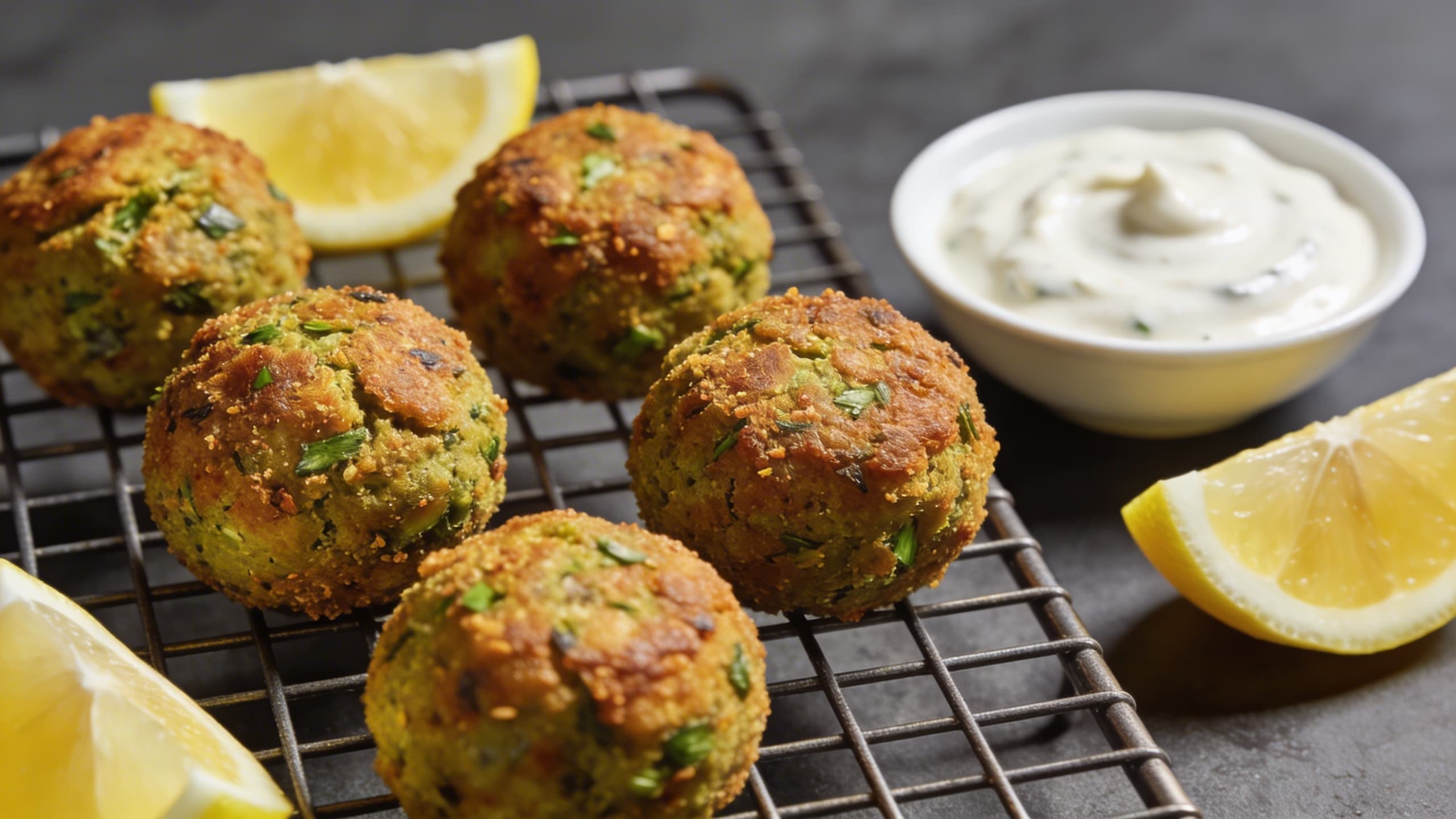
Warning: Never stack hot falafel! Use a wire cooling rack over a baking sheet so air can circulate all the way around.
Nutritional Win: The Fiber Factor
By using the dried-bean method, you’re actually getting a better nutritional profile. The resistant starch in soaked (but not pre-boiled) chickpeas is fantastic for gut health and keeps you full much longer than the processed texture of canned beans. Plus, when they fry correctly and quickly at the right temperature, they actually absorb less fat than a soggy, slow-cooking falafel.
Did You Know? A perfectly fried falafel should have a "dry" crunch. If it leaves a heavy puddle of oil on your napkin, the oil wasn't hot enough!
Cooking for your family is about more than just filling bellies—it’s about sharing these little "aha" moments that make healthy food feel like a treat. Next time you’re prepping for a Mediterranean night, remember: dry beans, dry herbs, and a little bit of patience. Your taste buds (and your gut!) will thank you.
Vibrant food, vibrant life! 🦊🌿
#falafeltips #mediterraneandiet #healthyeating #kitchnhacks #nutritiontips