

The Fresh Herb Revival: 5 Sneaky Storage Mistakes and How to Fix Them
Keep your dill, oregano, and mint bursting with life for 7+ days with these simple fox-approved storage hacks.

The Secret Life of Your Herb Drawer
Have you ever come home from the market with a bunch of dill so vibrant it looked like a tiny green firework, only to find it looking like a soggy, sad shoelace forty-eight hours later? 🌿✨ It’s the ultimate kitchen heartbreak! We’ve all been there—Marissa and I certainly have. I remember one particularly breezy afternoon in the kitchen when she was trying to prep a big batch of Greek Cabbage Rice (Lahanorizo), and the "fresh" dill she’d bought was already turning into a murky puddle in the crisper drawer.
That was the "oops" moment that sent me on a deep dive into the science of herb longevity. It turns out, most of us are treating our herbs like hardy vegetables when we should be treating them like delicate, high-maintenance bouquets. If you want your mint to stay zesty and your oregano to keep its earthy punch for a full week (or even two!), you’ve got to stop these five sneaky mistakes.
1. The "Crisper Drawer" Cold Trap
We call it the "crisper," but for tender herbs like dill and mint, it’s often the "wilter." Most home cooks toss their herbs straight into the drawer in the plastic bag they came in. This traps ethylene gas and moisture, creating a swampy environment that invites rot.
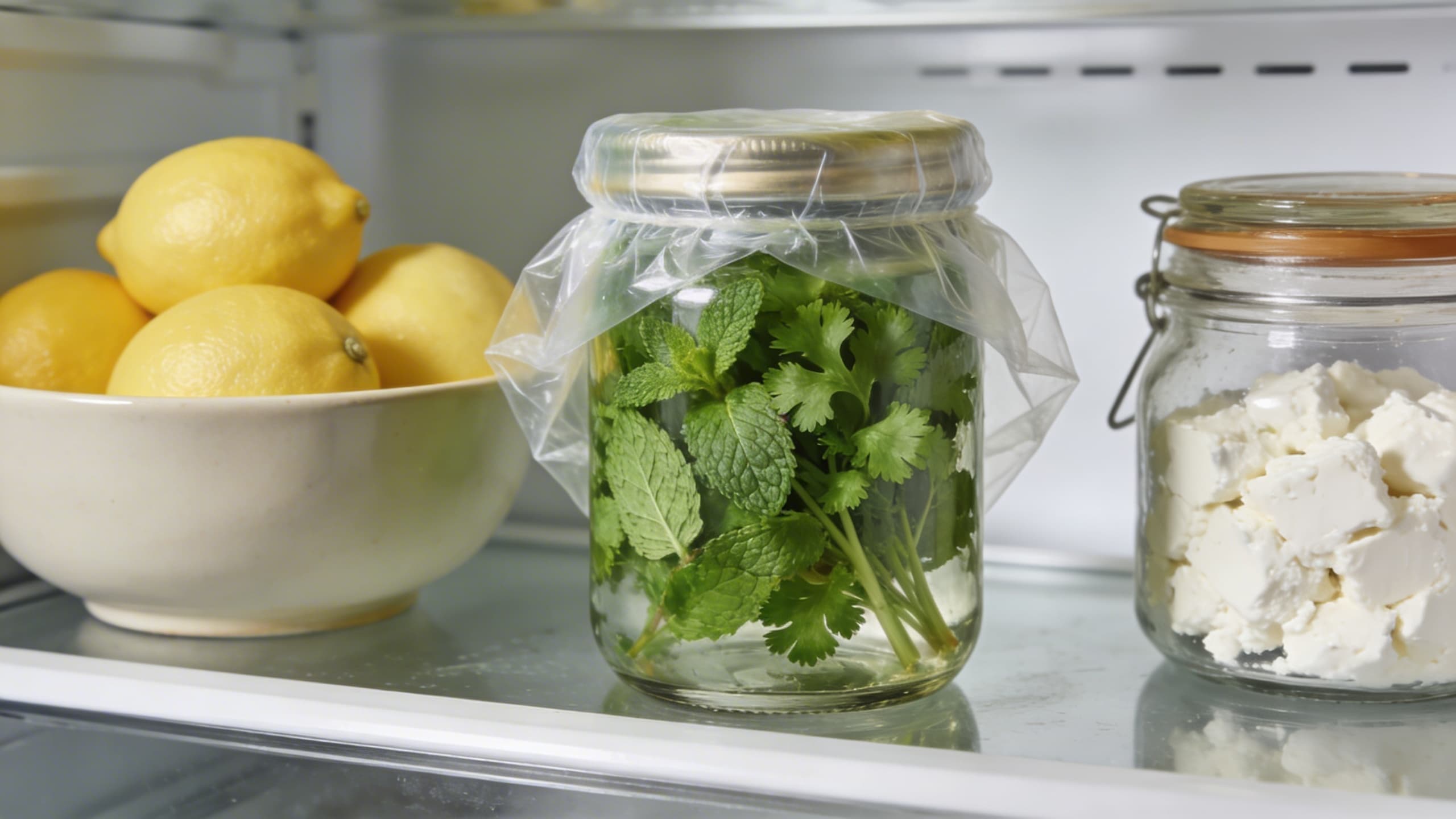
The Fix: Think of your herbs as flowers! For "soft" herbs (dill, parsley, mint, cilantro), trim the bottom of the stems and place them in a glass jar with about an inch of fresh water.
Tip: Don't let any leaves touch the water in the jar—they’ll rot faster than you can say "Tzatziki." Strip the bottom inch of the stems bare before dunking.
2. Ignoring the "Hard" vs. "Soft" Rule
Not all herbs are created equal. While mint loves a water bath, "hard" herbs like oregano, rosemary, and thyme have woody stems and thicker leaves. If you put oregano in a jar of water, it often gets waterlogged and loses that concentrated Mediterranean aroma.
The Fix: Wrap hard herbs loosely in a damp paper towel and tuck them into a reusable silicone bag or a zip-top bag with the air squeezed out. This provides just enough humidity to keep them supple without drowning them.
Real flavor isn't just about what you buy; it's about how you respect the ingredient once it's in your sanctuary.
3. The "Wash and Wait" Blunder
Marissa used to be a "wash everything immediately" kind of cook. It feels productive, right? But moisture is the absolute enemy of herb storage. If you wash your herbs and don't get them bone-dry before storing, bacteria will throw a party on those damp leaves.
The Fix: Wait to wash your herbs until the moment you are ready to use them. If they are visibly dirty from the market, wash them, but use a salad spinner and then lay them out on a kitchen towel for 30 minutes to ensure every drop of moisture is gone before they go into storage.
4. Suffocating the Greenhouse Effect
If you’re using the "jar of water" method for your soft herbs, don't leave them completely exposed to the dry air of the fridge. The fridge is essentially a giant dehumidifier, which will suck the life out of those delicate leaves.
The Fix: Create a mini-greenhouse! Place a loose plastic bag (like the one from the produce aisle) over the top of the herbs in the jar. Secure it with a rubber band around the rim of the jar if you’re feeling fancy. This keeps the humidity high around the leaves while the stems drink up the water.
Pro Tip: Change the water in your herb jars every two days. Fresh water prevents bacterial buildup and keeps the "stems-down" hydration system working at peak performance.
5. The Basil Temperature Tantrum
This is the sneakiest mistake of all. Did you know basil is basically a tropical plant? If you put basil in the fridge, it will turn black and slimy within hours. It hates the cold!
The Fix: Treat basil like a beautiful centerpiece. Trim the stems, put them in water, and leave the jar right on your kitchen counter out of direct sunlight. It will stay green and fragrant for days, and it makes your kitchen smell like an Italian summer.
Building Your Flavor Routine
Mastering herb storage isn't just about saving a few dollars at the grocery store (though that’s a nice perk!). It’s about building a cooking routine where fresh, vibrant flavor is always within arm's reach. When your herbs are prepped and visible in the fridge, you’re much more likely to toss a handful of fresh oregano into your marinara or garnish your morning eggs with bright dill.
Key Takeaway:
- Trim stems and store soft herbs (dill, mint) in water jars.
- Wrap hard herbs (oregano, rosemary) in damp paper towels.
- Never wash until you're ready to cook.
- Keep basil on the counter, never the fridge!
Next time you’re at the market, grab that extra bunch of mint. Now that you know the "fox-proof" storage secrets, you can keep that Mediterranean magic alive in your kitchen all week long. Happy cooking, and remember—vibrant food leads to a vibrant life! 🦊✨
Healthy eating shouldn't be a chore; it should be the most delicious part of your family's day.
#herbhacks #mediterraneandiet #zerowastekitchen #freshflavors