

From Watery to Wonderful: 5 Soup Batching Myths Debunked
Stop throwing away bland leftovers and start building a freezer full of Mediterranean sunshine.

Imagine we’re sitting on a weathered bench under the silver leaves of an ancient olive tree, the scent of wild thyme drifting on the breeze. You’ve got a steaming cup of thick Greek coffee in one hand, and you’re telling me that your freezer is where good vegetable soups go to die. "Feta," you say, "they come out watery, bland, and honestly? A little sad."
My friend, let’s put those worries to rest. In my kitchen, batch cooking isn't about rigid "dieting" or boring meal prep—it’s about capturing the soul of a sun-drenched harvest and tucking it away for a rainy Tuesday when the kids are screaming and the fridge is empty. Healthy eating shouldn't be a chore; it should be the most delicious part of your family's day, even when it comes from a frozen glass jar!
Let’s debunk the myths that are keeping your freezer from being a Mediterranean gold mine.
Myth 1: Frozen Soup Always Becomes Watery
This is the number one complaint I hear! You freeze a beautiful, chunky minestrone, and it thaws into a puddle of sad, mushy zucchini.
The Fix: The secret is all in the "al dente" freeze. If you cook your vegetables until they are perfectly tender on the stove, they will turn to mush during the reheating process.
Pro Tip: Under-cook your vegetables by about 5 minutes if you know they’re headed for the freezer. They should still have a firm "snap." When you reheat the soup later, that final simmer will finish them to perfection without losing their texture.
Myth 2: Freezing Kills the Flavor
"It just tastes... flat," is what people tell me. And they aren't wrong! Cold temperatures can actually dull the perception of spices and salt.
The Fix: We need to layer our flavors like a Greek wedding cake. Don't just boil everything in water. Start with a heavy hand of high-quality olive oil and sauté your aromatics (onions, carrots, celery) until they are golden and sweet. This "soffritto" creates a base of flavor that survives the deep freeze.
Tip: Wait to add your "bright" finishers. Fresh parsley, lemon juice, or a swirl of pesto should be added after reheating, right before you serve. It wakes up the sleeping flavors instantly!
Myth 3: You Can't Freeze Creamy Soups
Many people think that if a soup has dairy or a creamy texture, it will separate into a grainy mess once thawed.
The Fix: While heavy cream can be finicky, Mediterranean cooking often relies on legumes or starches for creaminess. If you’re making a creamy white bean or lentil soup, blend a portion of the beans and stir them back in. This creates a stable, velvety texture that freezes beautifully.
Did You Know? If you must use dairy, wait until you are reheating the soup to stir in your yogurt or cream. It keeps the texture silky and prevents that dreaded curdling.
Myth 4: Potatoes are Freezer-Friendly
I love a potato in my soup as much as the next fox, but they are notorious freezer-fails. They often turn mealy, black, or spongy after a month in the ice box.
The Fix: Swap them out! Use hearty grains like farro, barley, or even small pasta shapes (cooked very al dente). If you absolutely need that potato fix, try dicing them very small so the texture change is less noticeable, or simply add fresh boiled potatoes when you reheat the batch.
The freezer isn't a graveyard for leftovers; it’s a treasure chest of future time.
Myth 5: You Have to Thaw Soup Overnight
Who has the foresight for that? Not this busy fox! The myth that you need a 24-hour slow thaw often stops people from batching altogether because it feels too "planned."
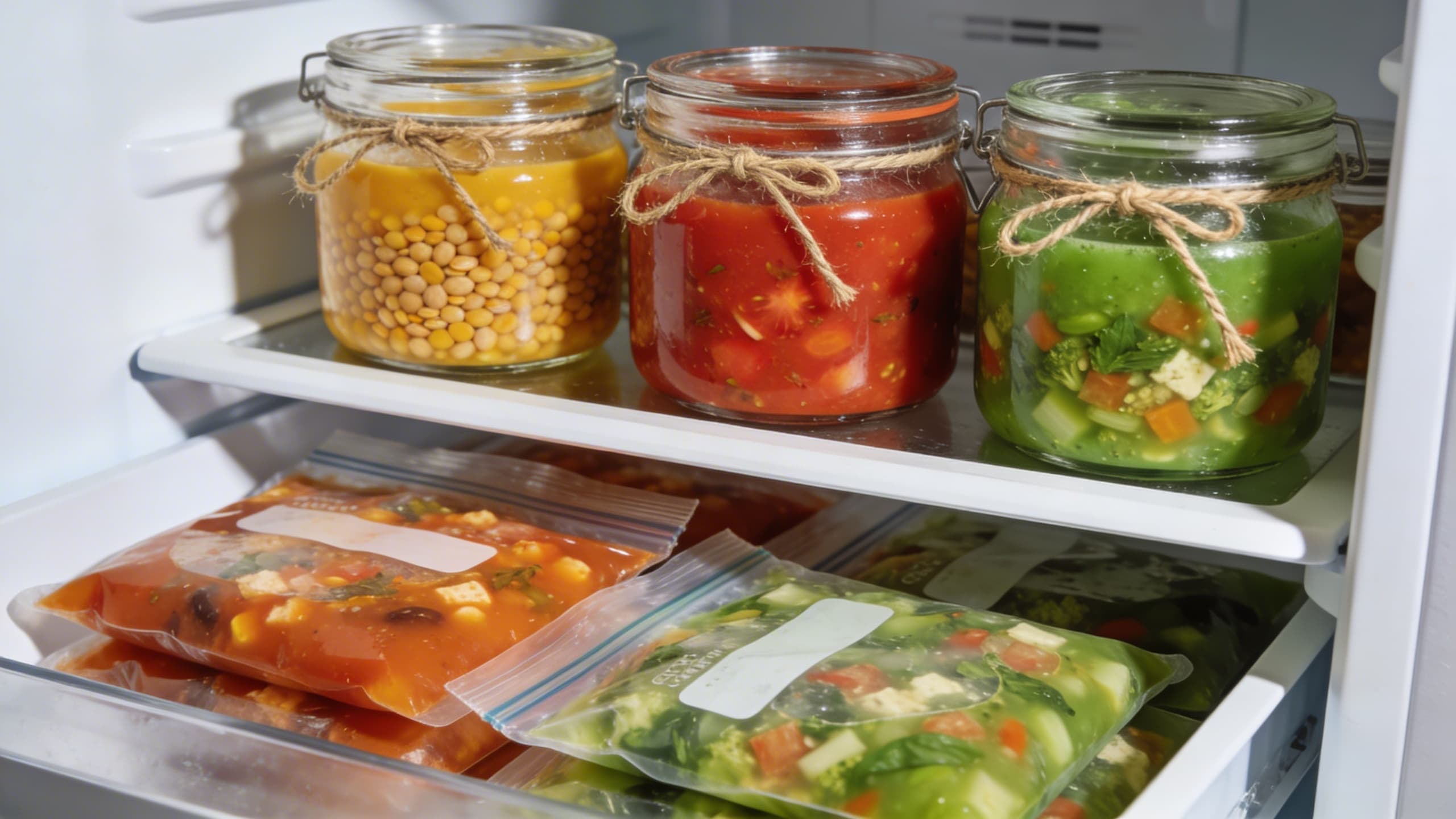
The Fix: Freeze your soup in thin, flat layers in freezer bags or in individual-sized glass jars (leave room for expansion!). A flat bag of soup can be placed in a bowl of warm water and will be ready for the pot in 15 minutes.
Effortless Health Wins for the Family
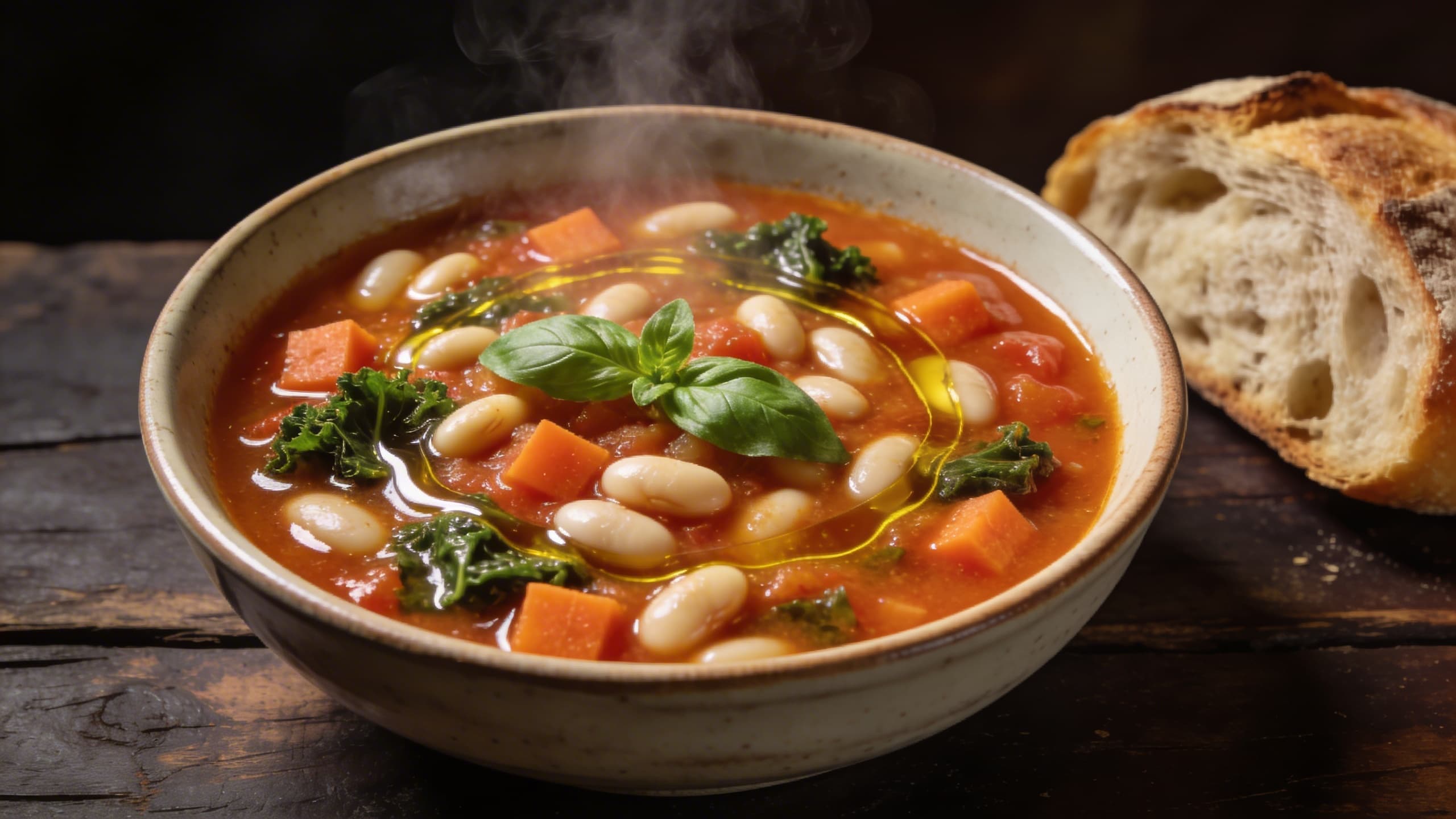
Batching soup isn't just about saving time; it’s about making sure your family has access to vibrant, nourishing food when life gets chaotic. When you have a stash of Zesty Tomato & White Bean soup or a hearty Lentil Stew ready to go, you’ve already won the day.
- Label everything: Trust me, "Red Mystery 2024" is not a dinner plan.
- Cool before you freeze: Putting hot soup in the freezer raises the temperature and can ruin your other food. Let it sit on the counter until it’s room temp.
- The "Olive Oil Seal": Before closing your container, add a tiny drizzle of olive oil on top. it helps prevent freezer burn and adds a little extra love.
Key Takeaway: Master the "under-cook" and the "fresh finish." By leaving your veggies firm and adding your citrus and herbs at the end, your frozen soups will taste even better than the day you made them.
Vibrant food, vibrant life! Now, go fill that freezer with some Mediterranean sunshine. 🦊🌿
#mealprep #mediterraneandiet #soupseason #healthyeating