

Couscous Catastrophes No More: My Kitchen Tales and 5 Fixes for Fluffy, Flavor-Packed Grains Every Time
My Kitchen Tales and 5 Fixes for Fluffy, Flavor-Packed Grains Every Time

The Tiny Grain That Caused Giant Headaches
It looks like a grain, it acts like a grain, but let’s get one thing straight before we dive into the fluffy details: couscous is actually a tiny, rolled pasta. And like any pasta, it has a personality. In my early days of trying to bring that sun-drenched coastal vibe to my family table, I treated couscous like rice. I boiled it. I stirred it. I ignored it.
The result? A gummy, beige brick that even my most supportive toddlers poked at with suspicion. It was a "couscous catastrophe" of the highest order. But after 15 years of Mediterranean-inspired kitchen experiments (and a few burnt pots along the way), I’ve learned that this humble staple doesn't need a miracle—it just needs a little respect and the right gear.
1. The "Liquid Gold" Rule: Stop Using Plain Water
If you’re hydrating your couscous with plain tap water, you’re missing the easiest flavor win in the culinary world. Couscous is like a tiny sponge; it will taste exactly like whatever it drinks.
Tip: Always use a high-quality vegetable or chicken broth. If you’re in a pinch, even water with a generous splash of lemon juice and a pinch of sea salt is a massive upgrade.
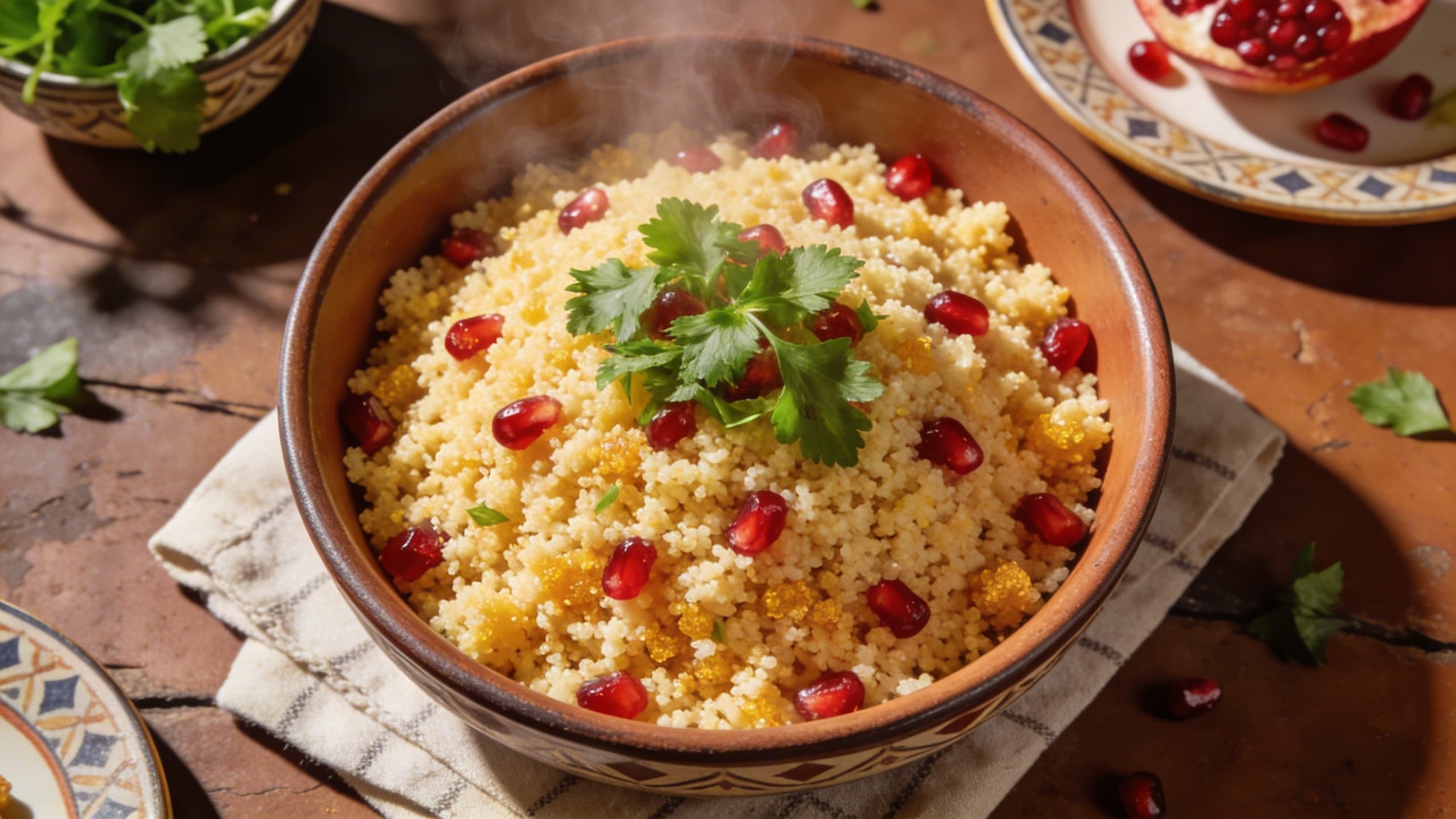
For those looking to level up, try steeping a few saffron threads or a cinnamon stick in your broth before pouring it over the grains. It transforms a simple side dish into a fragrant, golden centerpiece.
2. The Ratio Trap: Less is More
The most common pitfall I see in home kitchens is the "swimming" couscous. Unlike pasta that you boil in a gallon of water and drain, Moroccan couscous (the tiny kind) needs a precise 1:1 ratio.
“Great cooking is about technique, not complexity. Sometimes the simplest change—like the amount of water in your pot—is the difference between a meal and a memory.”
If you add too much liquid, the starches release and turn your fluffy dreams into a sticky paste. Use a dry measuring cup for the couscous and a liquid measuring cup for the broth. No guesstimating allowed!
3. The Gear Check: Why Your Pot Matters
I used to think any old saucepan would do. I was wrong. After testing everything from flimsy aluminum to heavy Dutch ovens, I’ve found that a heavy-bottomed cast iron skillet or a wide, shallow ceramic pot is the secret to even hydration.
Pro Tip: A wide pot allows the couscous to spread out in a thinner layer. This prevents the weight of the top grains from crushing the bottom grains into a mushy layer.
If you’re serious about your Mediterranean staples, investing in a solid, wide-based pan with a tight-fitting lid is the best "cookware review" I can give you. It ensures the steam circulates evenly, touching every single tiny pearl of pasta.
4. The "No-Stir" Zone (And the Fork Finish)
Once you pour that boiling liquid over your grains, stop touching it. Your instinct will be to stir it to make sure it’s "cooking." Resist! Stirring at this stage activates the gluten and creates gumminess.
- Pour the boiling liquid over the dry couscous.
- Cover tightly with a lid (or a clean kitchen towel under the lid to catch extra moisture).
- Let it sit for exactly 5-10 minutes.
- The Fix: Use a fork, never a spoon, to "rake" the grains. This separates them without mashing.
5. The Emulsion Secret: Fat is Your Friend
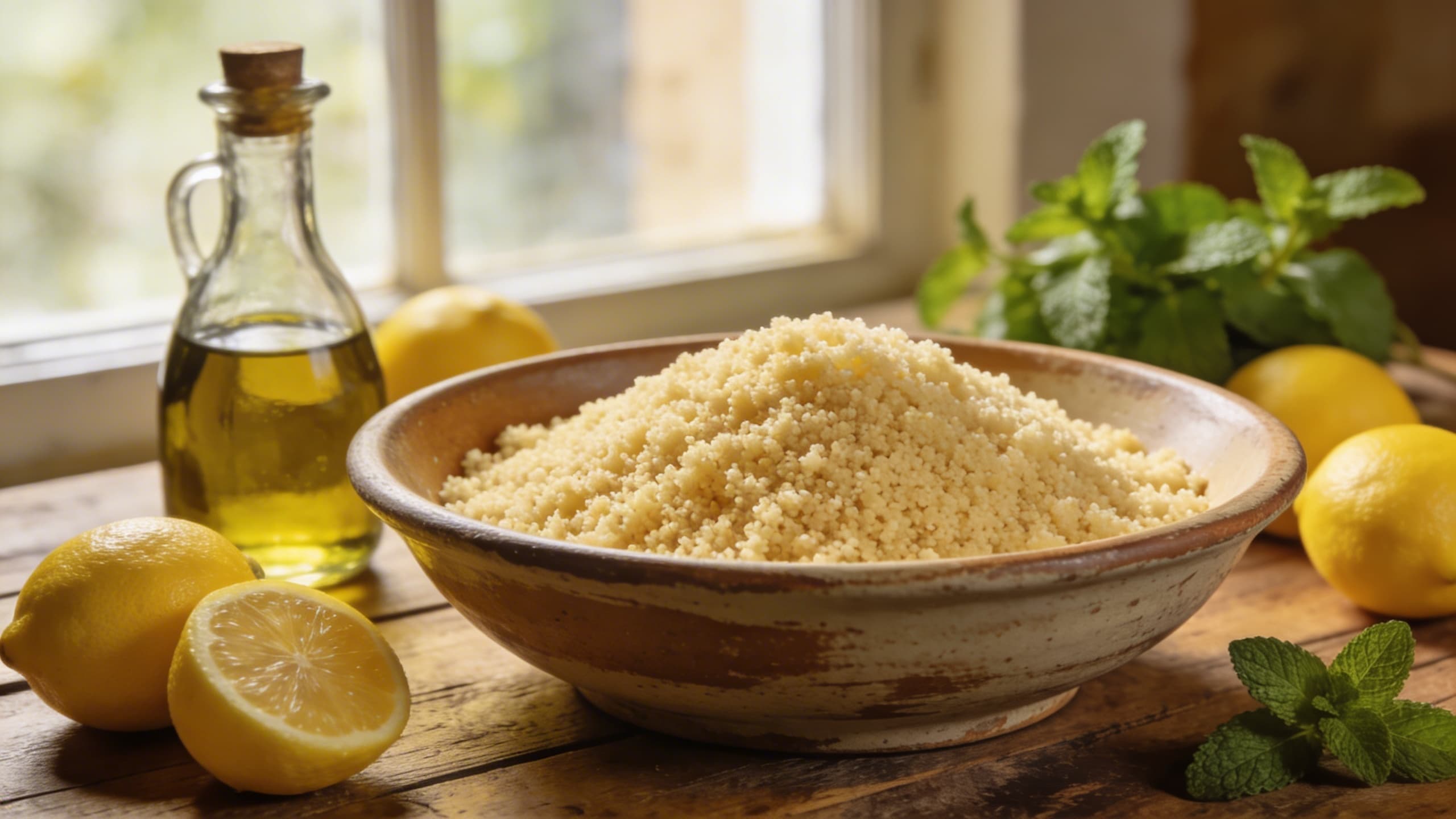
To get that professional, glossy finish where every grain is distinct, you need to introduce fat at the right time. I’m a firm believer in a generous drizzle of extra virgin olive oil or a knob of grass-fed butter after the grains have hydrated but before the final fluff.
Key Takeaway: Fat coats the individual grains, preventing them from sticking together as they cool. It’s the difference between a clump and a cloud.
Try This Tonight: The 15-Minute Fluff
Ready to put these fixes to the test? Boil 1 cup of broth with a pinch of salt and a teaspoon of turmeric. Pour it over 1 cup of whole-wheat couscous in a wide bowl. Cover for 5 minutes. Add a tablespoon of olive oil, fluff with a fork, and toss in some chopped mint and toasted pine nuts.
Healthy made easy, and absolutely catastrophe-free!
Warning: Once your family tastes couscous that actually has texture and flavor, they will never let you go back to the boxed "instant" seasoning packets again!
#couscous #mediterraneandiet #kitchenhacks #healthyeating