

5 Sneaky Ways You’re Sabotaging Your Yogurt Sauces (and the Foolproof Fixes)
Stop the soggy sauce syndrome with these village-tested secrets for velvety, nutrient-dense dressings.

The Creamy Conundrum: Why Your Sauces Are Sulking
Picture this: a sun-drenched terrace in a tiny Greek village, the scent of wild thyme wafting through the air, and a bowl of tzatziki so thick you could practically stand a sprig of dill upright in it. Bliss, right? Now, compare that to the sad, watery puddle that sometimes greets us in our own kitchens when we try to recreate that Mediterranean magic. 🏺✨
I’ve been there, friends. In my early days, I once served a tahini yogurt dressing that was so separated it looked like a science experiment gone wrong. My kids called it "the soup that wasn't." Ouch. But those "fox tales" of kitchen mishaps are exactly how we learn! 🦊
Creating a sky-high, velvety yogurt sauce isn't about luck; it’s about understanding the delicate dance of proteins and moisture. When we treat yogurt with the respect it deserves, it rewards us with a nutrient-dense, probiotic-packed punch that makes every meal feel like a celebration. Let’s dive into the five sneaky ways we accidentally sabotage our sauces and how to fix them for good.
1. The "Watery Grave" (Skipping the Strain)
The biggest culprit behind a runny sauce is hidden moisture. Most store-bought yogurts, even "Greek" styles, contain excess whey. When you add salt or acidic ingredients like lemon juice, that whey gets "pushed out," leading to a watery mess within minutes.
Tip: If you’re in a rush and forgot to strain, whisk in a teaspoon of nutritional yeast. It acts as a natural thickener and adds a lovely nutty depth!
The Fix: Give your yogurt a "spa day." Line a sieve with cheesecloth or a paper coffee filter, plop your yogurt in, and let it sit over a bowl in the fridge for at least 2 hours (or overnight). You’ll be left with "labneh-style" thickness that provides a sturdy base for any flavor profile.
2. The Salt Shake-Up (Timing is Everything)
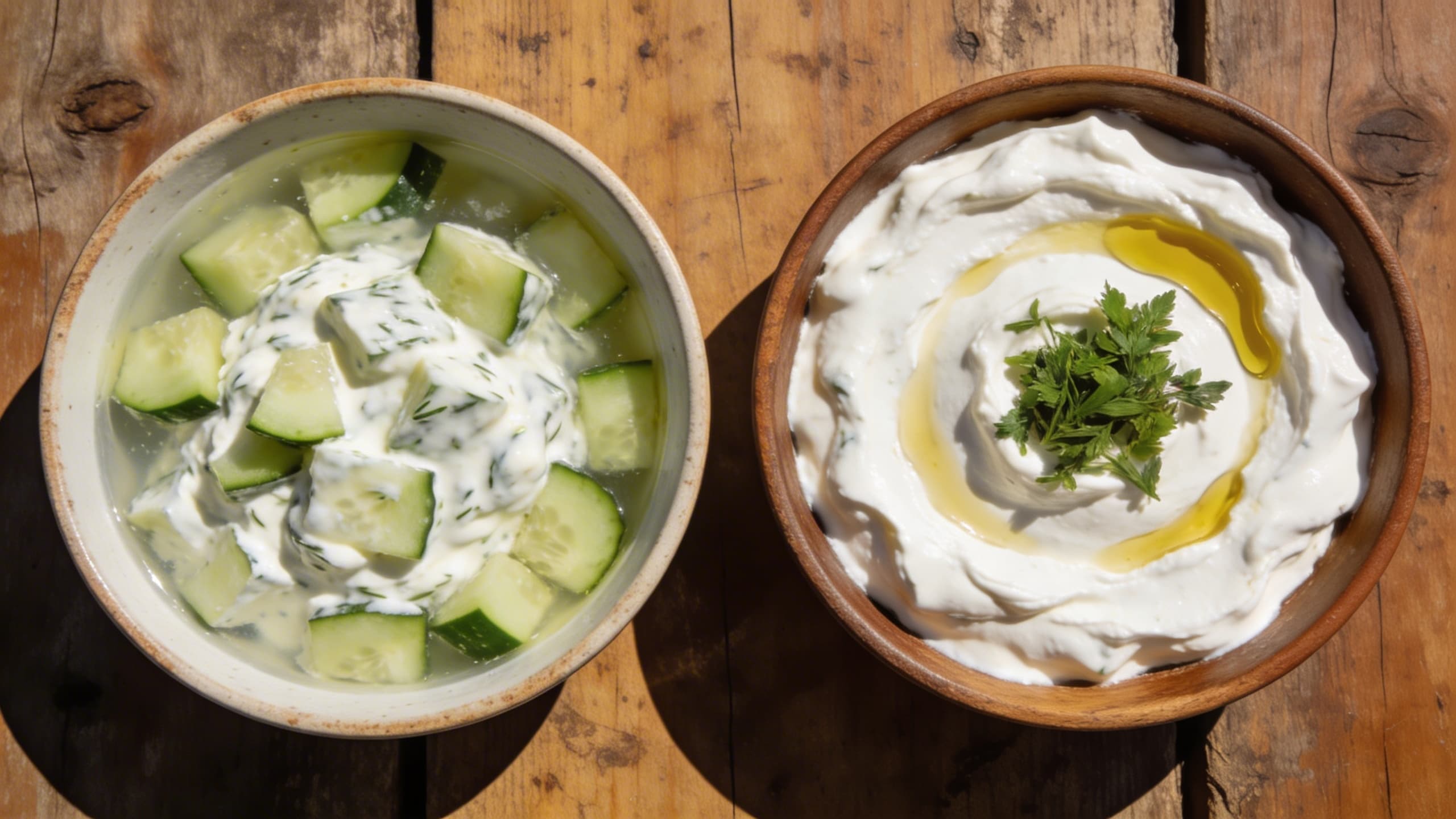
Salt is a double-edged sword. It brings out flavor, but it also draws out water—especially from watery veggies like cucumbers. If you salt your tzatziki too early and let it sit, you’re essentially inviting a flood.
A sauce should hug your food, not drown it in a puddle of regret.
The Fix: For veggie-heavy sauces, salt your grated vegetables first in a separate bowl. Let them sit for 10 minutes, squeeze the living daylights out of them (use a clean kitchen towel!), and then fold them into the yogurt. Add your final pinch of salt just before serving to keep the structure intact.
3. The Emulsion Illusion (The Tahini Trap)
When making a tahini-yogurt dressing, many home cooks just dump everything in and whisk. The result? A grainy, broken texture. Tahini is rich in fats, while yogurt is mostly water and protein. They don't naturally want to be friends without a little matchmaking.
Pro Tip: Always whisk your tahini with lemon juice and a splash of cold water before adding the yogurt. This creates a smooth "base emulsion" that the yogurt can then fold into seamlessly.
The Fix: Think of it as a gradual introduction. Start with the tahini and acid, whisk until it seizes and then thins out, then gently stir in the yogurt. This prevents the proteins in the yogurt from clumping around the fats in the tahini.
4. The Heat Haste (Temperature Tantrums)
Yogurt is a living thing! If you try to whisk cold yogurt into a warm pan sauce or drizzle it over piping hot roasted veggies too early, the proteins will denature and curdle instantly. You’ll get white flecks instead of a creamy coating.
Did You Know? Yogurt curdles because the acid and heat cause the casein proteins to clump together. Using full-fat yogurt provides a "fat buffer" that makes it more resistant to this.
The Fix: Tempering is your best friend. Take a small spoonful of your warm liquid and whisk it into a separate bowl of room-temperature yogurt first. Once the yogurt is slightly warmed, stir the whole mixture back into the dish off the heat.
5. The Low-Fat Fallacy (Texture vs. Calories)
I know, I know—we’re all trying to be health-conscious. But fat-free yogurt often contains thickeners and stabilizers to mimic texture, which can react poorly when mixed with fresh acids or oils. Plus, those healthy fats in full-fat or 2% Greek yogurt are what help your body absorb the fat-soluble vitamins (A, D, E, and K) in your veggies!
Key Takeaway: Using 2% or 5% yogurt results in a more stable, satiating sauce that requires less "fixing" and tastes infinitely more satisfying.
Putting It All Together: The Foolproof Formula
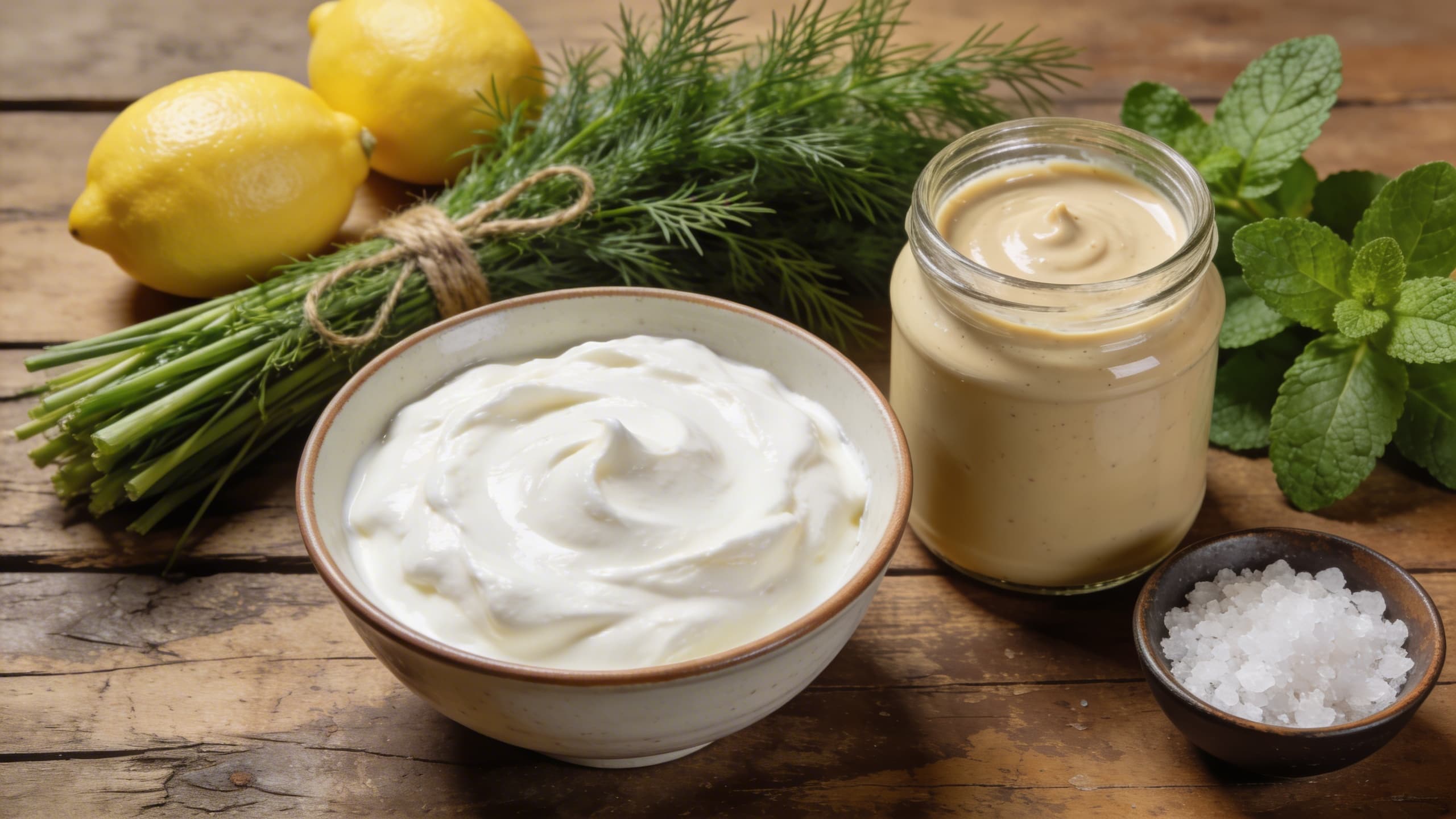
When you master these small shifts, your kitchen transforms. You aren't just making a "dip"; you're creating a nutrient-dense vessel for flavor that makes even a simple plate of roasted carrots feel like a feast. 🥕🌿
- Strain for structure.
- Squeeze your veggies.
- Emulsify your fats first.
- Temper your temperatures.
- Choose quality fats.
Healthy eating shouldn't be a chore; it should be the most delicious part of your family's day. So, ditch the store-bought bottles filled with preservatives and embrace the creamy, dreamy world of homemade Mediterranean sauces. Your taste buds (and your gut!) will thank you.
Vibrant food, vibrant life! 🦊✨
#tzatziki #healthyeating #mediterraneandiet #kitchenhacks