

5 Sneaky Ways to Sneak More Leafy Greens into Family Meals Without Anyone Noticing
How to boost nutrients with spinach and purslane without the dinner table drama.

If you’ve ever tried to place a giant, glistening pile of steamed kale in front of a toddler (or a skeptical spouse), you know that look. The "Is this a forest or a dinner?" look. Trust me, I’ve been there. In my early days of trying to bring that vibrant Mediterranean energy to my family table, I had more "fox fails" than I’d like to admit. I once tried to make a "Green Goddess" pasta that turned so neon green the kids asked if it was radioactive. 🦊✨
But here’s the thing: Mediterranean living isn't about forced salads. It’s about the art of the hidden nutrient. We’re talking about those leafy powerhouses—spinach, chard, and my secret weapon, purslane—slipping into your favorite comfort foods so seamlessly that nobody even notices they’re eating a "superfood."
The Nutritional "Why": Beyond the Garnish
Before we get to the sneaky stuff, let’s talk about why we’re doing this. We often hear "eat your greens," but in a Mediterranean context, these plants are more than just fiber.
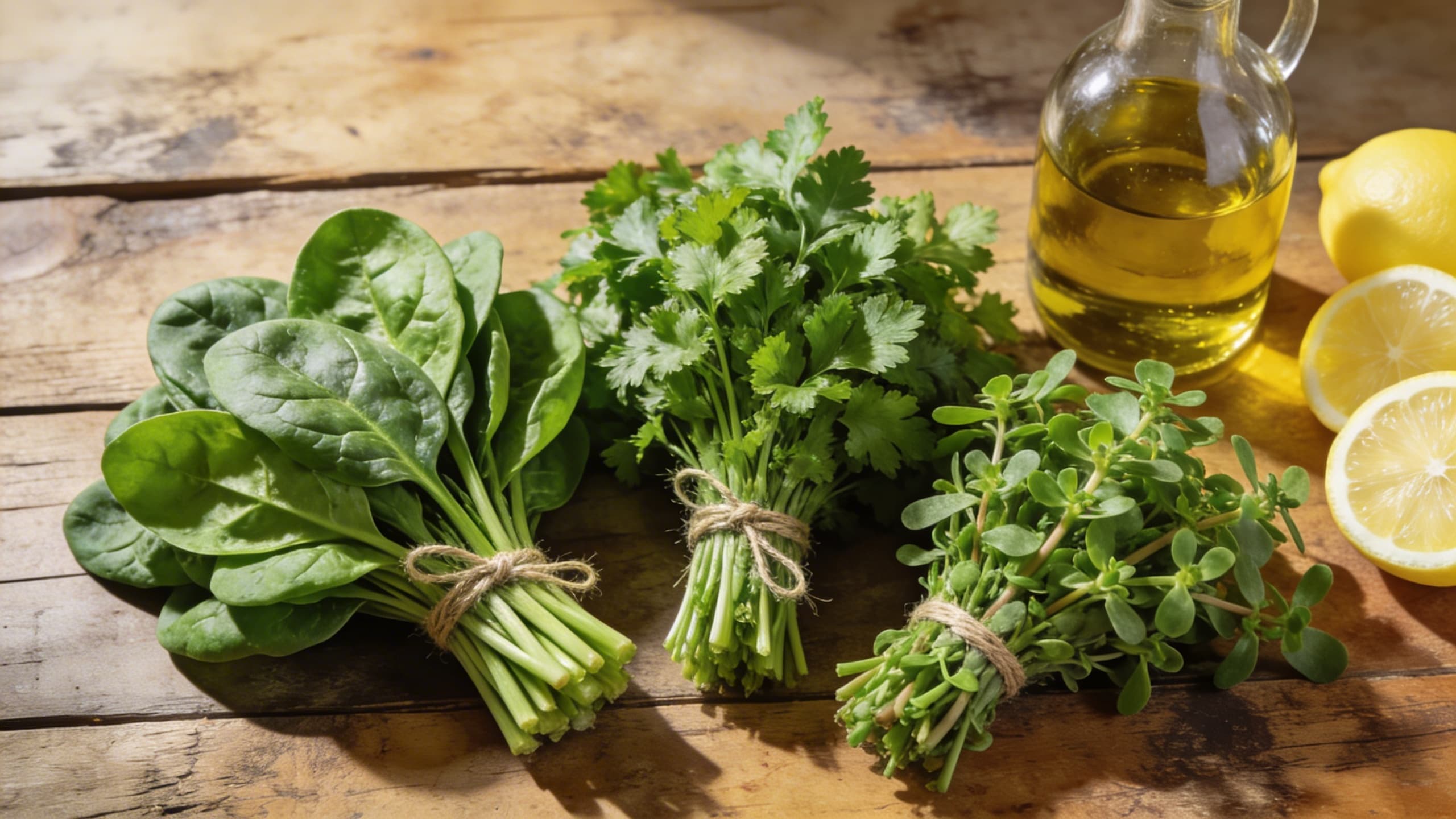
Take Spinach, for example. It’s the classic workhorse. Per 100g, it’s packed with Vitamin K and iron, but it’s also surprisingly low-carb, making it a dream for balancing out a heavier pasta or rice dish. Then there’s Purslane (Verdolaga). If you haven't met purslane yet, let me introduce you to the overachiever of the garden.
Did You Know? Purslane contains more Omega-3 fatty acids (alpha-linolenic acid) than any other leafy vegetable. It’s a heart-healthy powerhouse that tastes slightly lemony and succulent. In many Mediterranean villages, it's treated like a weed, but it's actually a nutritional goldmine!
When we "sneak" these in, we aren't just adding volume; we’re fundamentally shifting the macro-profile of the meal—adding high-quality micronutrients and plant-based protein without adding the "heaviness" of extra grains or fats.
1. The "Green Gold" Sauce Base
This is my absolute favorite win. Most Mediterranean families have a "house" tomato sauce or a creamy yogurt base they use for everything. Next time you're making a marinara or a lemon-tahini dressing, reach for the blender.
I take two large handfuls of fresh spinach (or blanched purslane), a splash of high-quality olive oil, and a squeeze of lemon, and I blitz it into a smooth, vibrant puree. Then, I stir it into the sauce. If it's a red sauce, the greens deepen the color into a rich, earthy mahogany. If it’s a white sauce, it becomes a beautiful pest-style vibrant green.
Tip: If you're worried about the flavor being too "grassy," stick to baby spinach. It has a much milder, sweeter profile than mature leaves or kale.
2. The Meatball (or Falafel) "Stretch"
Whether you're making traditional beef keftedes or crispy chickpea falafel, leafy greens are your best friend for texture. I’ve found that finely dicing (and I mean finely, like confetti) spinach or Swiss chard and folding it into the mix actually makes the meatballs juicier.
The greens release a little moisture as they cook, preventing the meat from drying out. Plus, it stretches your grocery budget further!
3. The "Cabbage Rice" Revelation
I recently saw a trend for Greek Cabbage Rice (Lahanorizo), and it reminded me of one of my most successful "wins." You can do the same thing with finely shredded spinach or even very thinly sliced kale.
The secret? Sauté the greens with onions and garlic before you add the rice and broth. They melt down into the grains, coating every piece of rice in a savory, nutrient-dense hug. By the time it hits the plate, it just looks like you used a very generous amount of herbs.
4. The Smoothie "Ice Cube" Trick
If you have kids who are hyper-sensitive to "green bits" in their food, this one is for you. I take my leftover greens—purslane is great for this because of its succulent texture—and blend them with a tiny bit of water, then freeze them in ice cube trays.
Drop one or two cubes into a morning smoothie, a bubbling pot of lentil soup, or even a batch of savory muffin batter. It’s the ultimate "set it and forget it" nutrition hack.
5. The Feta & Herb "Confetti"
We love a good sprinkle of feta in this house, but I’ve learned to never serve feta alone. I make a "confetti" mix: crumbled feta, minced parsley, and very finely chopped raw purslane or spinach.
Healthy eating shouldn't be a chore; it should be the most delicious part of your family's day.
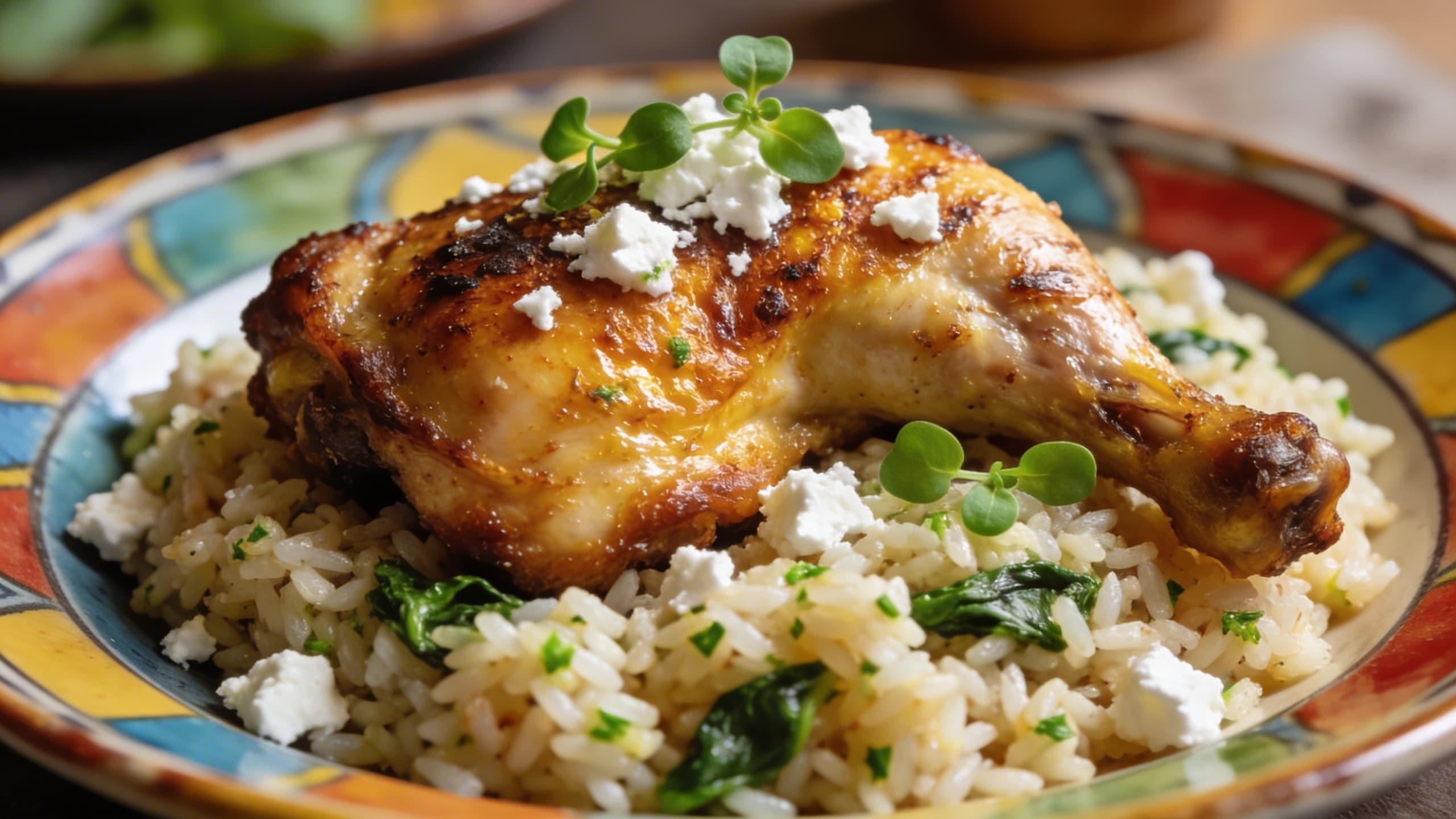
When you sprinkle this over roasted chicken or a tray of grilled veggies, the heat of the food slightly wilts the greens, and the salty feta masks any "veggie" bitterness. It looks like a chef's garnish, but it’s actually a stealthy dose of Vitamin A.
Fox Fails: A Quick Warning
Learn from my mistakes, friends!
Warning: Do not try to sneak greens into a clear broth soup without chopping them first. They will float on top like seaweed, and your "sneaky" mission will be compromised immediately. Trust me on this one.
Key Takeaway: Start Small
You don't have to turn every meal into a green juice. Start by swapping 10% of your herbs for finely chopped greens. Before you know it, you'll be the master of the seaside kitchen, serving up vibrant, nourishing meals that make everyone feel amazing—without a single complaint about "eating their veggies."
Vibrant food, vibrant life! 🌿✨
#MediterraneanDiet #HealthyFamily #SneakyGreens #NutritiousAndDelicious