

5 Sneaky Ways to Cut Food Waste in Mediterranean Cooking
From Wilted Greens to Liquid Gold: My Village Secrets for a Thriving, Waste-Free Kitchen

The Art of the 'Everything' Kitchen: My Village Secrets to Zero Waste
In the seaside village where my family’s roots run deep, "waste" wasn't a word we used. It wasn't because we were trying to be trendy or "eco-conscious" in a modern sense—it was simply how life worked. If you had a lemon, you used the juice for the fish, the zest for the cake, and the spent rinds to scrub the wooden cutting board. Every scrap had a destination, and every wilted leaf had a second chance at glory. 🍋✨
Today, we talk a lot about "zero-waste" as if it’s a new invention, but in the Mediterranean, it’s a lifestyle that’s been simmering on the back burner for centuries. It’s about respect—for the ingredient, for the earth, and honestly, for your grocery budget! When we throw away a bag of slimy spinach or a handful of herb stems, we aren't just losing food; we’re losing flavor and nutrients that could have transformed a simple weeknight meal into something vibrant.
1. The Ice Bath Miracle: Reviving Your "Sad" Greens
We’ve all been there. You open the crisper drawer to find a head of romaine or a bunch of parsley looking like it’s given up on life. Before you toss it in the bin, give it a spa day. 🧖♀️🌿
Most greens wilt because they lose moisture. By submerging them in a bowl of ice-cold water for 15–30 minutes, you’re essentially rehydrating their cell walls. They’ll crisp right back up, often crunchier than when you first bought them!
Tip: This works wonders for radishes, carrots, and celery too. If they feel "bendy," a cold soak will make them snap again.
2. The "Liquid Gold" Scrap Bag
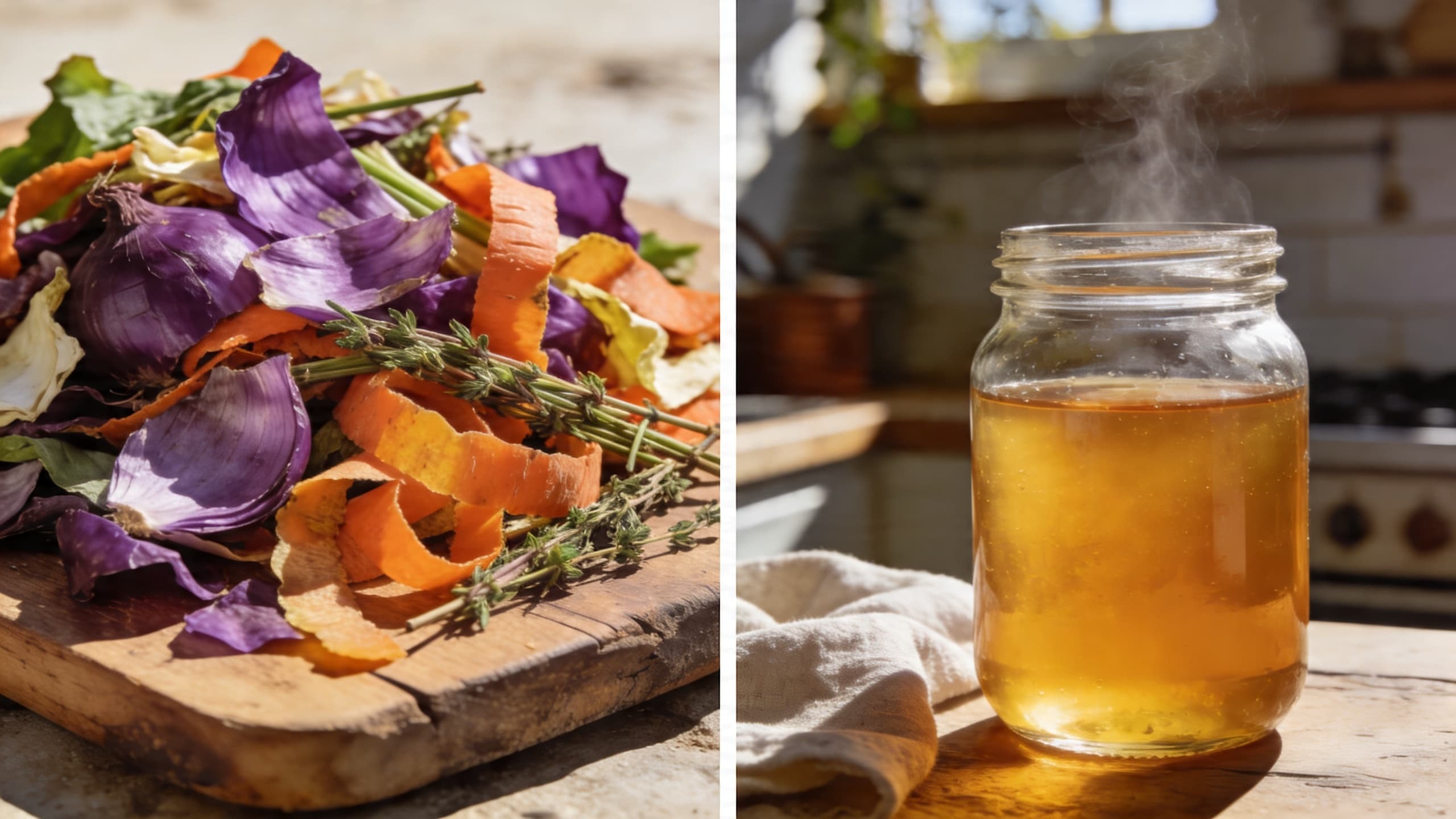
In my kitchen, there is a permanent resident in the freezer: a large, reusable silicone bag. Into this bag goes every clean vegetable scrap I produce. Onion skins? Yes. Carrot tops? Absolutely. The tough ends of asparagus or the woody stems of kale? Throw them in!
Once the bag is full, I toss it all into a pot with water, a few peppercorns, and maybe a bay leaf. Two hours of simmering later, I have a nutrient-dense, low-sodium vegetable stock that puts the store-bought cartons to shame.
Pro Tip: Avoid adding "brassicas" like broccoli, cauliflower, or cabbage to your stock bag. They can turn the broth bitter and give it a... let’s say distinct sulfur aroma that you probably don't want in your risotto.
3. Herb Stems: The Secret Flavor Weapon
Most people strip the leaves off cilantro, parsley, or dill and discard the stems. Stop right there! Those stems actually hold more concentrated flavor than the leaves. 🌿🔥
I finely mince the stems and sauté them right at the beginning of a recipe with my onions and garlic. They soften beautifully and infuse the entire base of the dish with a deep, herbal essence.
“Great cooking isn't about having the most expensive ingredients; it's about having the most respect for the ones you already have.”
4. The "Bottom of the Jar" Vinaigrette
Don't you dare rinse out that nearly empty jar of tahini, mustard, or jam! There is a wealth of flavor clinging to those sides. 🍯
Instead, add your olive oil, lemon juice, and seasonings directly into the jar. Give it a vigorous shake. The remaining bits of tahini or mustard act as a natural emulsifier, creating a creamy, thick dressing without any extra effort. Plus, you’ve just saved yourself from washing a bowl!
Key Takeaway: A "messy" jar is just a pre-seasoned salad dressing container in disguise.
5. Stale Bread is a Mediterranean Treasure
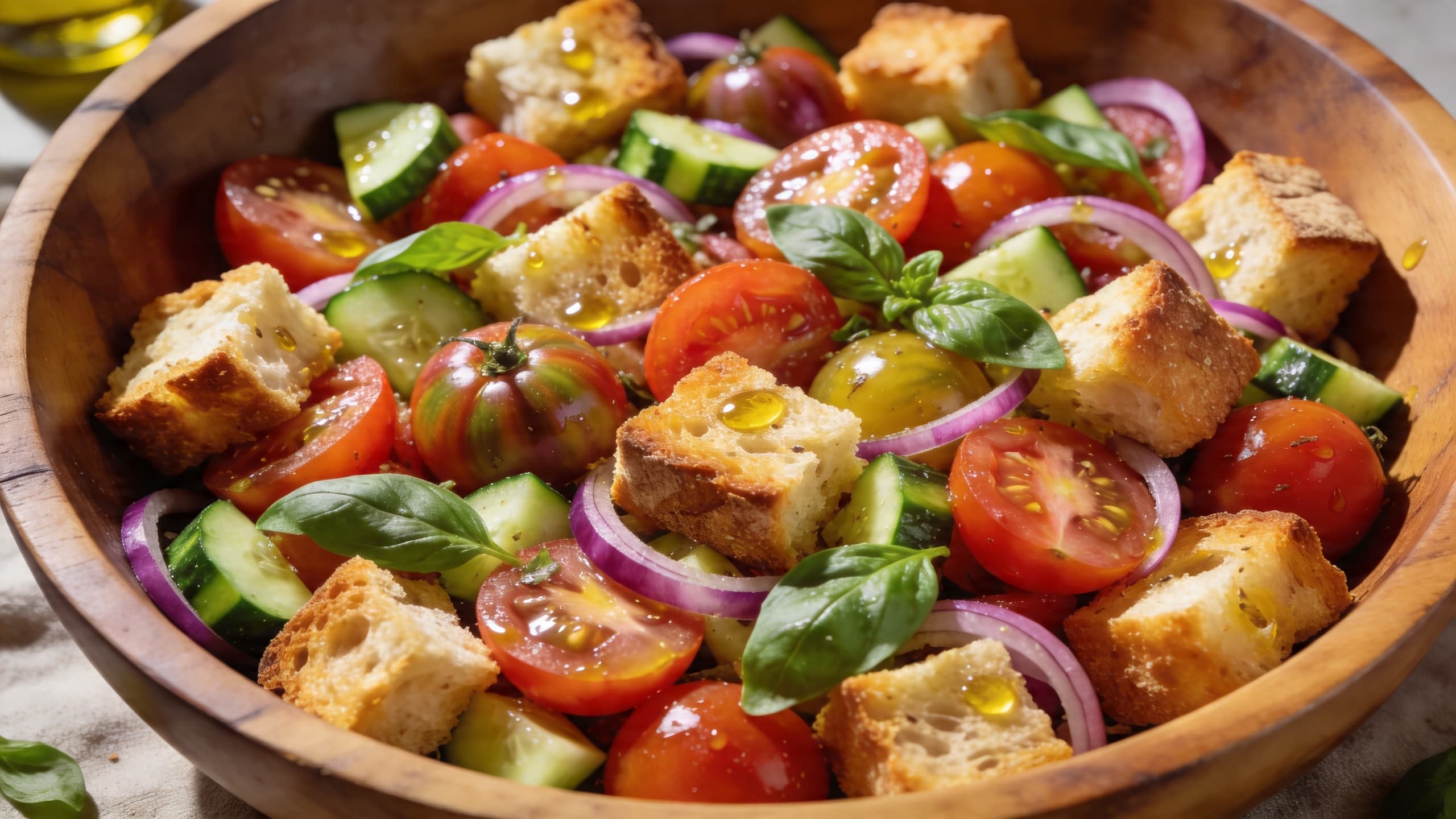
In a traditional Mediterranean household, "stale" bread is just "future" deliciousness. If your sourdough or pita has gone hard, it’s just reached its prime for three of my favorite things:
- Panzanella: Cubed stale bread soaks up tomato juices and vinaigrette like a dream.
- Homemade Breadcrumbs: Pulse the dry bread in a food processor with dried oregano and sea salt.
- Baked Croutons: Toss with plenty of olive oil and garlic powder, then bake until golden.
Small Changes, Big Impact
Building a zero-waste routine doesn't happen overnight. Start with one thing—maybe it’s the stock bag or the ice bath for your lettuce. You’ll find that as you start to "see" the potential in your scraps, your cooking becomes more creative and your kitchen feels a lot more like a sun-kissed village sanctuary.
Healthy eating shouldn't be a chore; it should be the most delicious part of your family's day—and that includes the parts we used to throw away! 🌊🦊✨
Did You Know? Roughly one-third of all food produced for human consumption is lost or wasted globally. By saving your veggie scraps, you’re literally helping change the world, one soup at a time.
#zerowaste #mediterraneandiet #kitchenhacks #sustainableliving #frugalcooking