

5 Sneaky Mistakes Sabotaging Your Batch-Prepped Dips (and How to Fix Them)
Turn Your Sunday Prep into Week-Long Freshness with These Simple Mediterranean Hacks

Let’s talk about that Sunday afternoon feeling. You’ve got the music playing, the kids are actually playing quietly (for once!), and you’ve just finished whizzing up a gorgeous batch of hummus or a zesty yogurt dip. You feel like a meal-prep superhero! But then Wednesday rolls around, and that vibrant spread has turned into a watery, bland shadow of its former self.
Believe me, I’ve been there. In my quest to make healthy eating the most delicious part of my family’s day, I’ve had my fair share of "kitchen experiments" that ended with a sad face and a trip to the compost bin. Dips and spreads are the secret weapons of a Mediterranean kitchen—they turn raw veggies into a feast and plain chicken into a gourmet meal—but they can be a bit finicky if you don't treat them right.
If you’re looking to build a sustainable cooking routine that doesn't leave you scrubbing fuzzy containers on Friday, here are the top 5 mistakes I see busy families making with their batch-prepped dips, and exactly how to fix them!
1. The "Salt Creep" Catastrophe
When we prep on Sunday, we often season for right now. But here’s the thing: salt and spices intensify as they sit. That perfectly seasoned garlicky bean dip can become a salt bomb by Tuesday.
The Fix: Season at 80%
When batch-prepping, aim for about 80% of the salt and acid (lemon juice/vinegar) you think you need. Spices like cumin and garlic powder will bloom and get stronger overnight.
Tip: Always do a "day-of" taste test. It’s much easier to add a pinch of salt or a squeeze of lemon right before serving than it is to fix an over-salted mess!
2. The Watery Weep (Emulsion Failure)
Have you ever opened a container of homemade dip only to find a pool of mysterious liquid sitting on top? It’s not just unappetizing; it changes the whole texture of your snack. This usually happens because the fats and liquids haven't properly bonded, or "emulsified."
The Fix: The Slow Drizzle Technique
Whether you’re using a blender or a whisk, the secret is in the speed. Don't dump all your olive oil in at once!
- Start with your base (beans, yogurt, or tahini).
- While the motor is running, drizzle your high-quality olive oil in a slow, steady stream.
- This creates a stable bond that holds up much better in the fridge.
Pro Tip: For veggie-based dips like Baba Ganoush, let your roasted veggies drain in a colander for 15 minutes before blending. Excess moisture is the enemy of a creamy spread!
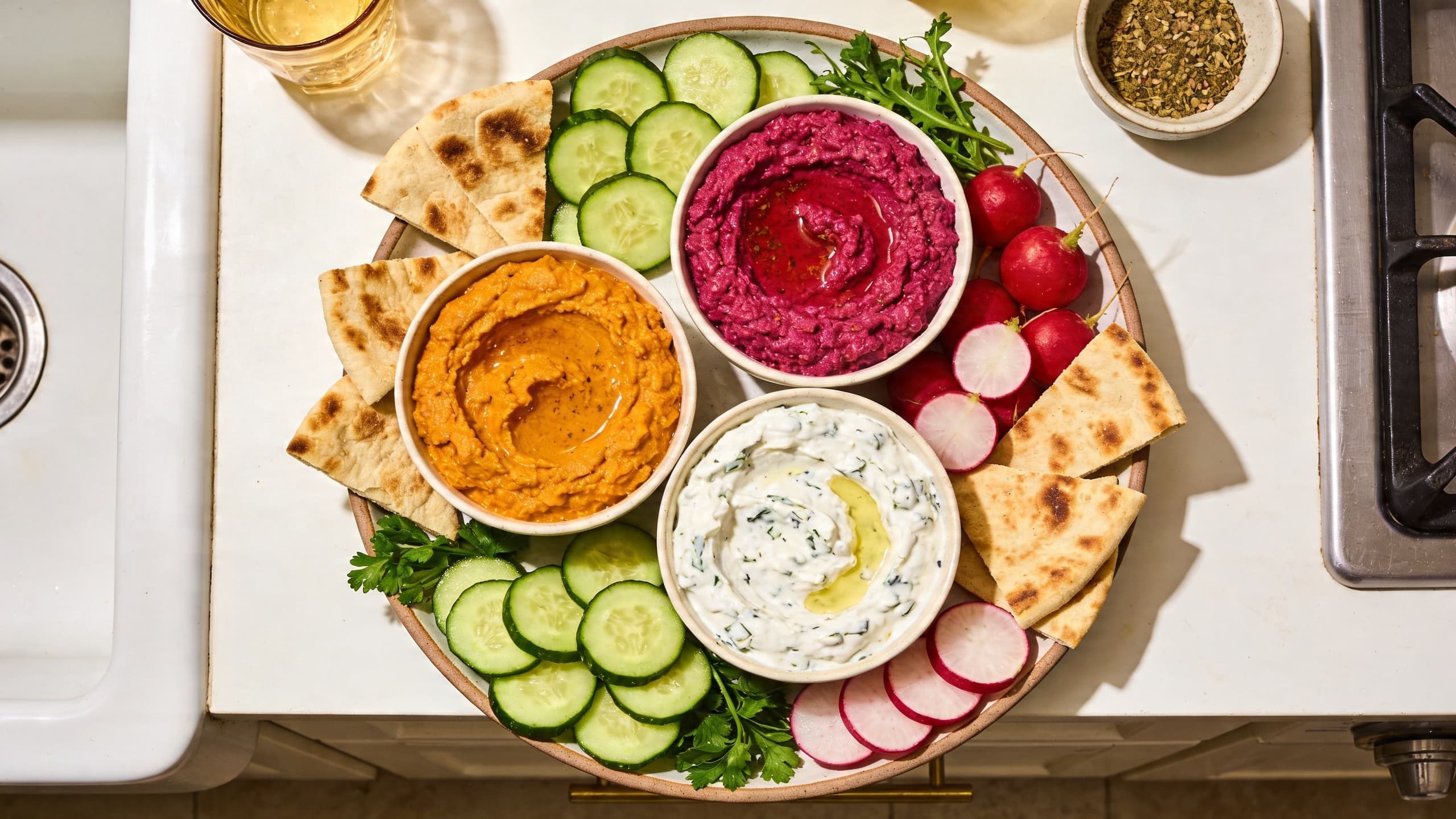
3. Using the Wrong "Oxygen-Proof" Storage
Plastic containers are great for many things, but they are often slightly porous and don't create a truly airtight seal. Oxygen is the enemy of freshness—it turns your bright green avocado spread brown and makes garlic-heavy dips lose their punch.
The Fix: The Glass & Oil Seal
Switch to glass jars with tight-fitting lids. Glass doesn't absorb odors (nobody wants "garlic-scented" fruit salad later!) and keeps things colder.
Key Takeaway: For extra protection, level off the top of your dip with a spoon and pour a thin layer of olive oil over the surface. This creates a natural "oxygen barrier" that keeps the dip beneath it perfectly fresh. Just stir it back in when you're ready to eat!
4. The "Double-Dip" Danger Zone
We’ve all done it—snuck a quick taste with a carrot stick right out of the main batch. But introducing bacteria from our mouths (or even just air-borne bacteria from leaving the lid off too long) significantly shortens the shelf life of your hard work.
The Fix: Portion Control
Instead of one big tub, try prepping 2-3 smaller jars. Keep one in the front of the fridge for immediate snacking and keep the others sealed and tucked in the back where it’s coldest.
Warning: Never use a spoon that’s touched your mouth to scoop from the main container. Use a clean "serving spoon" every single time!
5. Forgetting the "Acid Kick"
While salt gets stronger, the bright, zesty notes of fresh lemon or lime juice tend to fade after 24 hours. If your dip tastes "flat" or boring by mid-week, it’s likely lacking acid.
The Fix: The Fresh Finish
Think of your batch-prepped dip as a base. It’s healthy, it’s ready, but it needs a "wake-up call."
Healthy eating shouldn't be a chore; it should be the most delicious part of your family's day.
Keep a jar of pre-sliced lemon wedges or a small bottle of red wine vinegar handy. A quick splash right before you plate up will brighten the flavors and make it taste like you just made it five minutes ago.
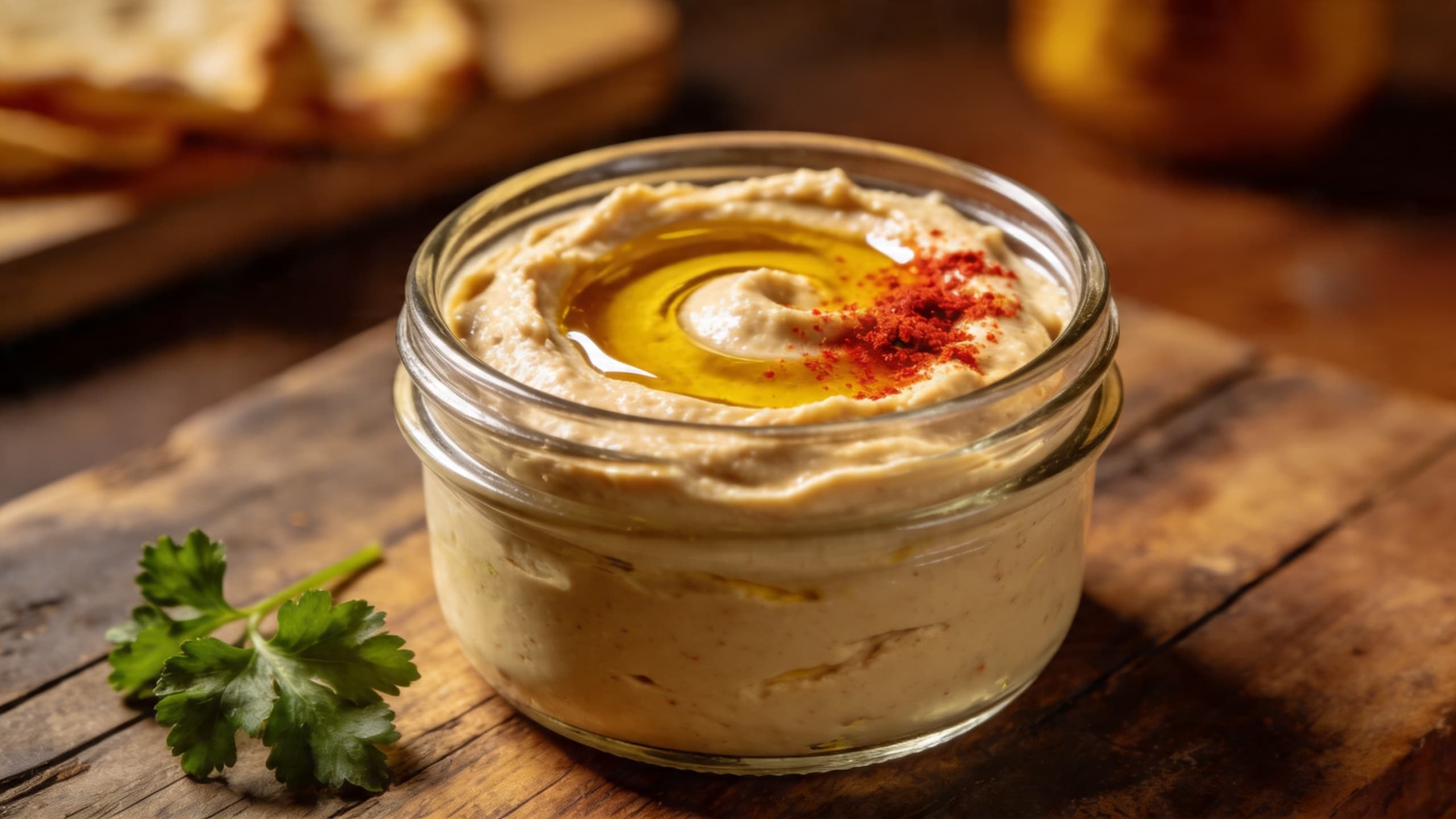
Your Snack-Smart Routine Starts Tonight
Building a cooking routine isn't about being perfect; it's about being prepared. By avoiding these five common pitfalls, you’re not just saving food—you’re saving your sanity during those hectic weeknight "I’m hungry!" meltdowns.
Try this tonight: Choose one dip you usually buy at the store. Try making it at home using the "80% seasoning" rule and the "oil seal" trick. I promise your taste buds (and your grocery budget) will thank you!
Did You Know? Most homemade Mediterranean dips will stay perfectly fresh for 4-5 days if stored in glass at the back of the fridge. That’s a whole school week of healthy snacking!
Vibrant food, vibrant life. Happy prepping! 🌿🍋✨
#mealprep #mediterraneandiet #healthysnacks #busymomlife #kitchentips