

5 Sneaky Mistakes Killing Your Tzatziki (and the Silky Fixes)
Stop making watery dips and start making Mediterranean masterpieces.

The Soul of the Mediterranean in a Bowl
If you’ve ever sat at a wobbly wooden table by the Aegean Sea, you know that real tzatziki isn't just a "dip." It’s a cooling, vibrant, garlicky hug that makes everything it touches—from charred chicken to simple crusty bread—taste like a sun-drenched holiday. But let’s be honest: back in our own kitchens, it often ends up more like a watery yogurt soup than the thick, pillowy masterpiece we crave.
I’ve spent years obsessing over the physics of the perfect swirl, and I’ve realized that the magic isn't in a secret ingredient. It’s in the technique. We’re going to dive deep into the science of why your tzatziki might be failing you and how a few simple, fox-approved shifts can turn it into a high-protein, gut-healthy staple that disappears from the fridge in record time.
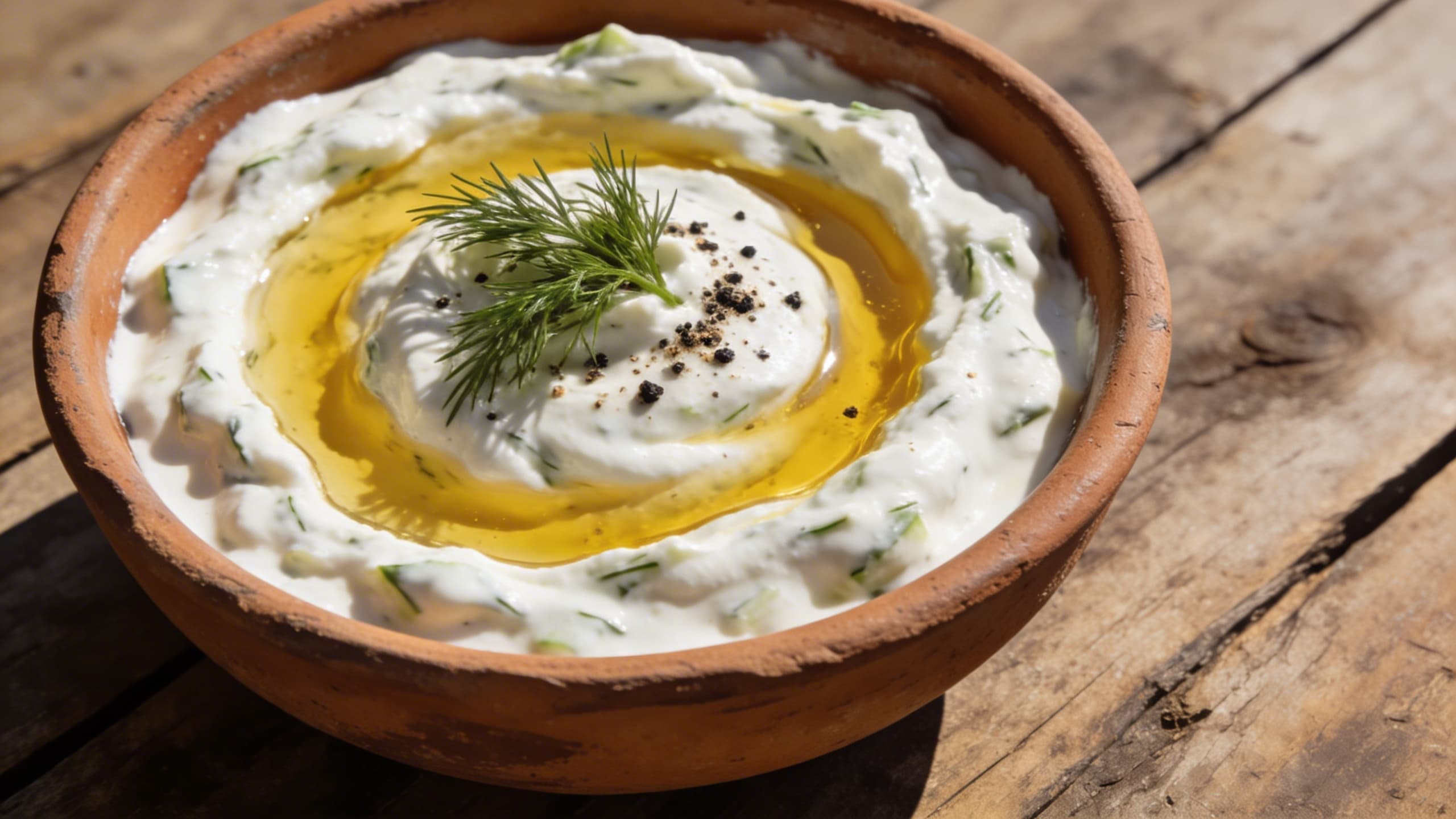
1. The "Watery Grave" (The Cucumber Crisis)
The number one killer of homemade tzatziki is moisture. Cucumbers are about 95% water. If you just grate them and toss them in, that water will eventually leak out, separating your beautiful sauce into a sad, puddle-filled mess.
The Fix: Grate your cucumbers (English or Persian are best for thinner skins), salt them lightly, and let them sit in a fine-mesh sieve for 20 minutes. Then—and this is the part where you get a little workout—squeeze them with a clean kitchen towel or cheesecloth until they are bone-dry. You want a concentrated "cucumber "flesh," not a slushie.
Tip: Don't throw away that cucumber juice! It’s packed with electrolytes. Toss it into your morning smoothie or mix it with a little sparkling water and lemon for a refreshing kitchen-prep mocktail.
2. The Yogurt Identity Crisis
Not all yogurts are created equal. If you’re using a thin, "runny" yogurt or even a low-quality "Greek-style" yogurt thickened with starches, you’re starting on the back foot. Authentic tzatziki relies on the protein structure of strained yogurt.
The Fix: Always go for full-fat, plain Greek yogurt. The fat isn't just for flavor; it emulsifies with the garlic and lemon to create that velvet-like texture. If you want to go pro, strain your Greek yogurt through cheesecloth for another 2 hours in the fridge. This creates a "Labneh-style" thickness that is absolutely life-changing.
3. The Garlic Burn
We love garlic, but raw garlic can be aggressive. If you mince it into large chunks, someone in your family is going to get a "garlic bomb" that ruins their palate for the rest of the day. Plus, large bits don't distribute that essential oils into the yogurt properly.
The Fix: Use a microplane or a mortar and pestle to turn your garlic into a smooth paste with a pinch of salt. The salt acts as an abrasive, breaking down the fibers and releasing the juices. This allows the garlic flavor to "bloom" evenly throughout the dip.
Great cooking isn't about complexity; it's about respecting the physics of your ingredients.
4. The Herb Overkill (or Underkill)
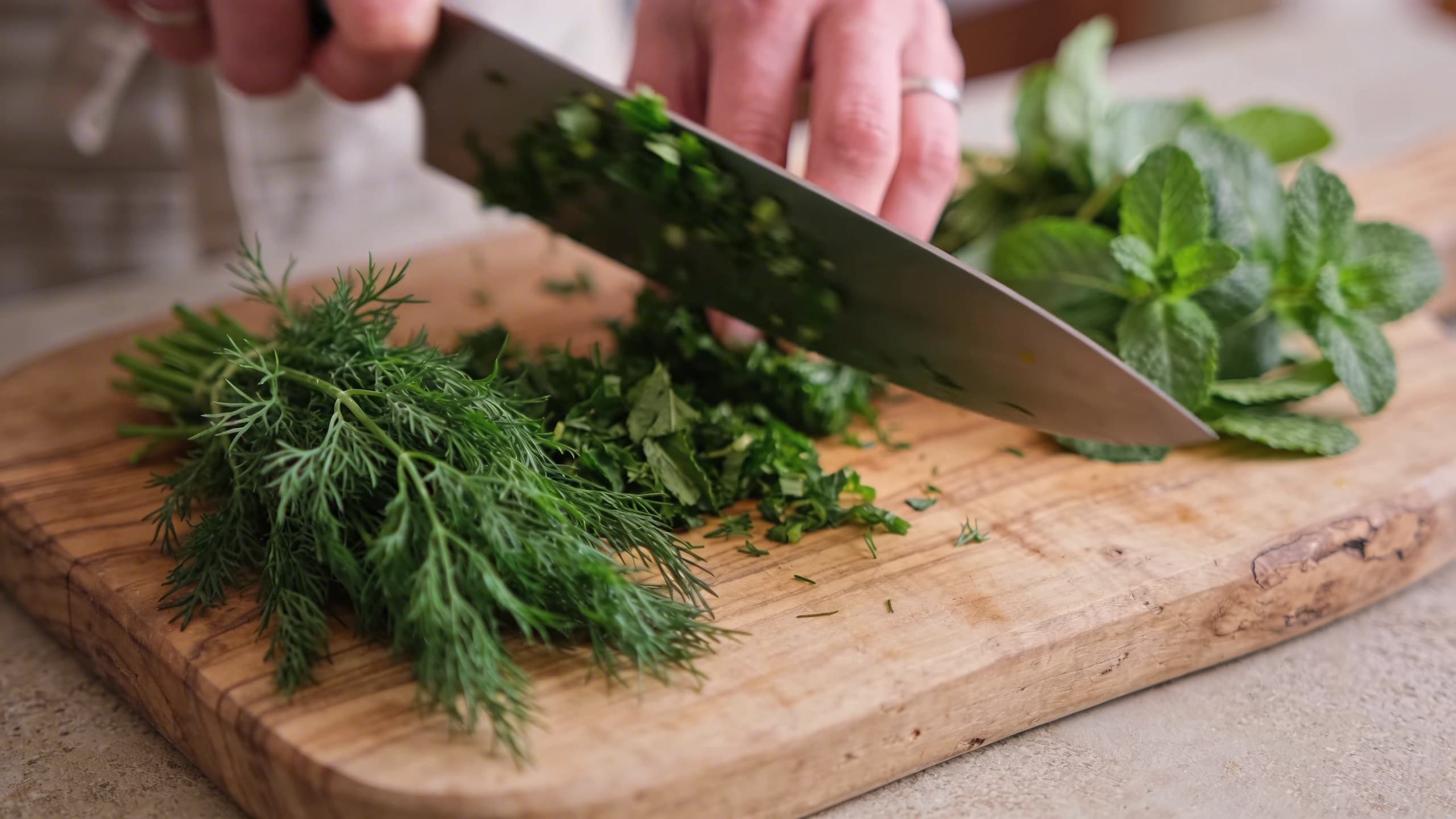
I see a lot of recipes that use dried herbs. Stop right there! Dried dill or mint in tzatziki tastes like dust. On the flip side, using the thick, woody stems of fresh herbs can add a bitter, fibrous texture that kills the "silky" vibe we’re going for.
The Fix: Use fresh dill, and use more than you think you need. If you want that authentic village flavor, add a tiny bit of fresh mint too. Chop them ultra-fine, using only the feathery fronds and tender leaves.
Pro Tip: Stir the herbs in at the very end. This keeps the color vibrant and prevents the yogurt from turning a murky green.
5. The Missing "Melt" (The Resting Period)
The biggest mistake? Eating it immediately. When you first mix tzatziki, the flavors are "separate." You taste yogurt, then you taste sharp garlic, then you taste lemon. They haven't introduced themselves to each other yet.
The Fix: Let it rest! Cover your tzatziki and let it chill in the fridge for at least 2 hours (ideally overnight). This is where the fermentation science kicks in—the acidity of the yogurt softens the bite of the garlic, and the herbs infuse the fats. It "melts" into one cohesive, complex flavor profile.
The Health-Boost Hack
Tzatziki is already a nutritional powerhouse—packed with probiotics for your gut and protein for your muscles. To make it a true family staple, I like to whisk in a tablespoon of extra virgin olive oil at the end. Not only does it add heart-healthy monounsaturated fats, but it also creates a protective seal that keeps the dip fresh for longer.
Key Takeaway: For the perfect tzatziki: Squeeze the cucumbers like you mean it, use the thickest yogurt you can find, paste your garlic, use fresh herbs only, and let it sleep in the fridge.
Healthy made easy? Absolutely. Now, go grab some cucumbers and let’s get swirling! You can find this technique in action in your AI Workspace to review and publish.
#tzatziki #greekcooking #healthyeating #mediterraneandiet #kitchenhacks