

5 Kitchen Myths About Olives Busted: Health Wins and Pro Tips for Everyday Mediterranean Magic
From village myths to kitchen magic: everything you need to know about the Mediterranean's salty gems.

The Little Fruit That Could: A Village Tale
If you’ve ever sat at a wobbly wooden table in a tiny Greek village, you know that olives aren't just a snack—they’re the heartbeat of the home. Growing up with my "olive-crowned" fox roots, I learned early on that these salty little gems are misunderstood. People see a jar on a supermarket shelf and think "salt bomb" or "fatty garnish." But in my kitchen, they are the secret to turning a "meh" Tuesday dinner into a vibrant Mediterranean feast.
I’ll never forget the time I tried to impress my neighbors with a "fancy" olive tapenade. I bought the most expensive, shiny black olives I could find, thinking the color meant they were the peak of ripeness. I blended them up, served them with a flourish, and... everyone’s face puckered. They were mushy, overly salty, and lacked that zesty kick. My neighbor, Mrs. Eleni, just laughed and handed me a bowl of her home-cured Kalamatas. "Feta," she said, "you're falling for the myths!"
Since then, I’ve made it my mission to bust those myths and share the real magic of the olive.
Myth 1: Black and Green Olives are Different Species
This is the one that catches everyone! I used to think there were "green trees" and "black trees."
Did You Know? All olives start green. The difference in color is simply a matter of when they are harvested. Green olives are picked early, while black olives have ripened on the tree.
Think of it like a banana—green is firm and tart, yellow (or black, in the olive's case) is mellow and rich. If you want a punchy, bitter bite for a salad, go green. If you want something buttery for a slow-roasted chicken dish, go black.
Myth 2: Olives are "Unhealthy" Because of the Fat
This one breaks my heart! Yes, olives have fat, but it’s the good kind—monounsaturated oleic acid. This is the stuff that loves your heart back.
Key Takeaway: Olives are a fermented food. Beyond the healthy fats, they are packed with polyphenols and gut-friendly bacteria. They aren't just a garnish; they’re a functional food that helps fight inflammation.
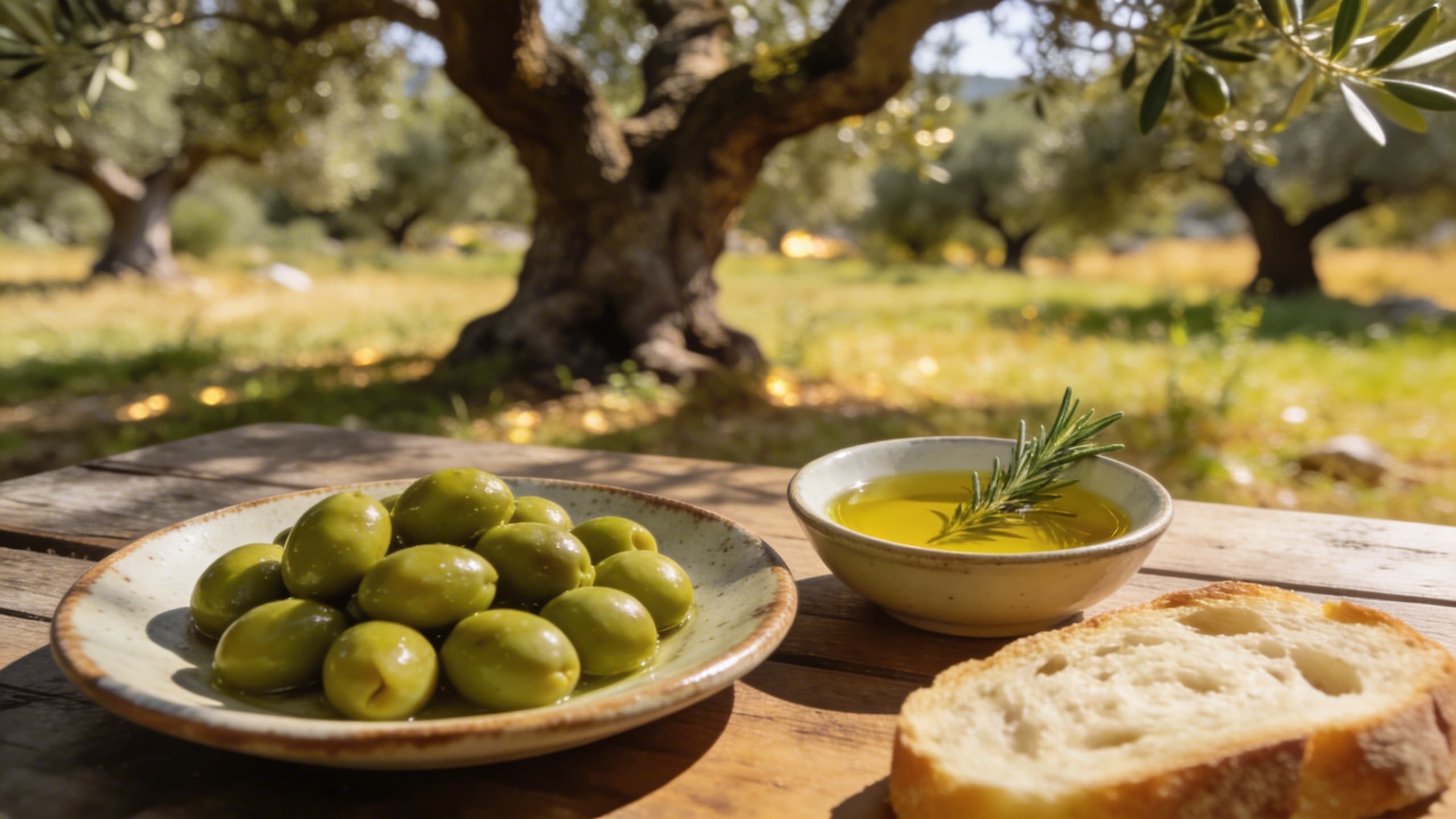
Myth 3: You Should Drain the Brine Immediately
I used to be a "drainer." I’d open a jar, dump the liquid, and put the olives in a cute bowl. Big mistake! Within two days, they’d look like shriveled little raisins.
Pro Tip: Never toss the "liquid gold." If you aren't eating the whole jar at once (which, let's be honest, is hard), keep them submerged in their brine. If the brine is too salty for your taste, replace half of it with filtered water and a splash of extra virgin olive oil to create a protective seal.
The brine is the lifeblood of the olive; treat it with respect and your olives will stay plump and vibrant for weeks.
Myth 4: Canned Olives are the Same as Jarred
If you’ve ever had those flavorless, rubbery sliced olives on a fast-food pizza, you know this isn't true. Many mass-produced black olives are actually green olives that have been treated with oxygen and ferrous gluconate (an iron salt) to turn them black instantly.
For the real deal, look for "natural cure" or "brine-cured" on the label. Your taste buds—and your gut—will thank you.
Myth 5: They’re Only for Salads and Martinis
Oh, my friends, we are missing out! In my house, olives go into everything. I love throwing a handful of cracked green olives into a pan of sautéed lemon-herb chicken. They melt down slightly, releasing their salt and tang into the sauce.
Storage Hacks for the Busy Kitchen
If your olives are starting to look a little sad in the fridge, don't toss them! Here is my "Oops, I Forgot These" fix:
- The Marinade Save: Pit the olives and toss them in a bowl with fresh lemon zest, a smashed garlic clove, and a sprig of rosemary. Cover with olive oil. They’ll taste better than the day you bought them.
- The Freezer Trick: Yes, you can freeze olives! If you have a massive jar you can't finish, pit them and freeze them in a single layer. Throw them directly into soups or stews for a salty umami boost.
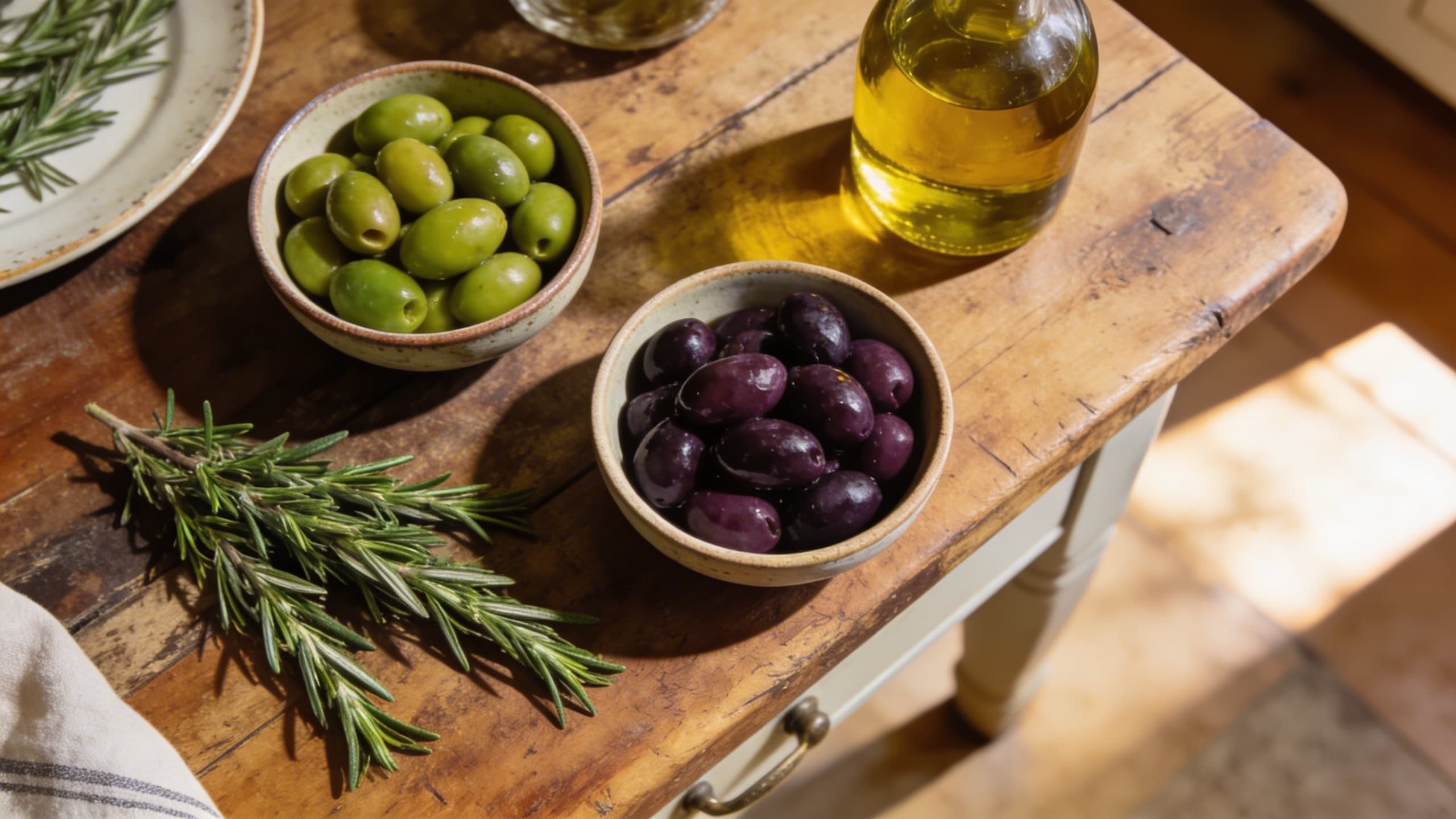
Tip: If your olives are too salty, soak them in plain water for 15 minutes before serving. It pulls out the excess sodium without losing the flavor.
Healthy eating shouldn't be a chore; it should be the most delicious part of your family's day. Next time you see that jar of olives, remember: you aren't just buying a snack, you're bringing a little piece of village magic into your home.
Vibrant food, vibrant life! 🦊🫒✨
#mediterraneandiet #kitchenhacks #oliveoil #healthyfamily #mediterraneanfood