

5 Common Sumac Mistakes (And How to Fix Them for Zesty, Healthy Meals)
Unlock the Tangy Magic of the Mediterranean's Secret Spice

The Day a Tiny Red Berry Changed Everything
It was one of those frantic Tuesday afternoons where the school run felt like an Olympic sprint and the fridge was looking... well, uninspired. I had some leftover roasted chicken, a bag of wilting greens, and a serious case of "dinner-time dread." That’s when I remembered the small, unassuming jar of deep crimson powder tucked behind the cumin. Sumac.
I’d bought it on a whim after a neighbor shared a story about her grandmother’s kitchen in the Levant, where this "sour berry" was as essential as salt. I sprinkled a generous pinch over the cold chicken and tossed it with lemon and oil. One bite, and I wasn't just eating leftovers; I was transported. The zesty, bright, almost floral tang cut through the richness like a ray of sunshine.
Since that "coastal kitchen experiment," sumac has become my secret weapon for making healthy family meals feel like a celebration. But it wasn't all smooth sailing! I've made every mistake in the book—from "The Great Purple Overload" to losing that signature zing by storing it wrong.
If you’ve ever looked at that jar and wondered why your dishes don't taste like the ones in a Mediterranean bistro, you’re likely falling into one of these five common traps. Let’s fix them together!
1. The "Heat-First" Mistake
Many of us are trained to bloom our spices in hot oil at the start of cooking. While that’s great for cumin or coriander, sumac is a delicate soul. Its vibrant, citrusy notes are actually quite volatile. If you sauté it for twenty minutes in a hot pan, that signature "tang" evaporates, leaving you with a muddy, dull flavor.
Pro Tip: Think of sumac more like a finishing touch—similar to fresh lemon juice or a sprinkle of parsley. Add it at the very end of cooking, or better yet, right before serving to keep that "zing" alive!
2. Ignoring the "Salt Secret"
Here’s a bit of culinary science for you: traditional sumac is often processed with a touch of salt to help preserve those precious oils and prevent clumping. If you’re seasoning your dish with salt and then adding a heavy hand of sumac, you might end up with a salt bomb!
Warning: Always taste your sumac on its own first. If it tastes notably salty, dial back the added salt in your recipe. It’s the easiest way to keep your heart-healthy meals actually healthy!
3. The Storage Slump
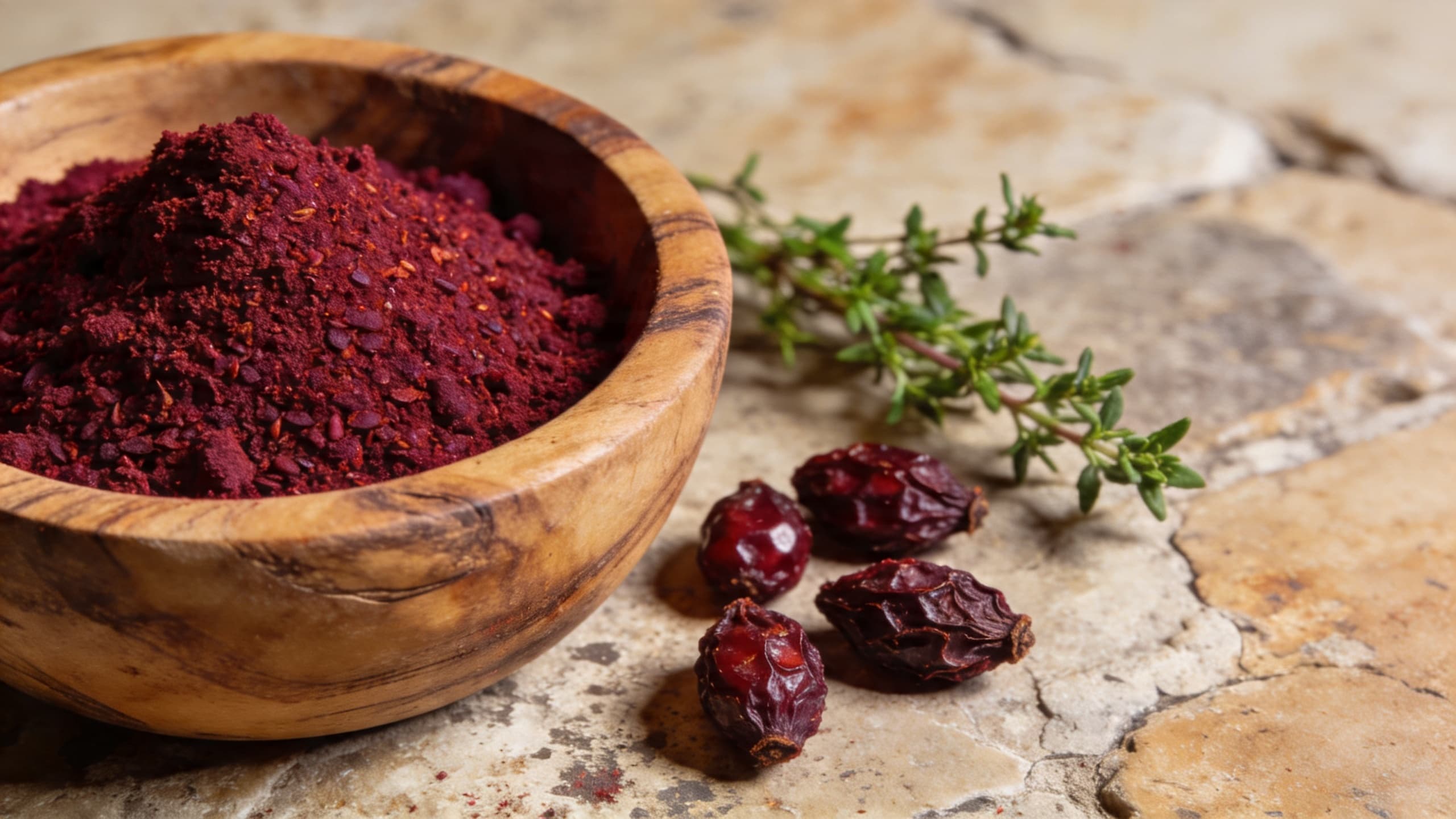
I’ve seen it a thousand times: a jar of sumac sitting right next to a hot stove or under a bright window. Light and heat are the enemies of sumac’s antioxidants (which, by the way, are off the charts—it's a powerhouse for fighting inflammation!). If your sumac looks brown rather than burgundy, it’s lost its magic.
- Store in a cool, dark cupboard.
- Ensure the lid is airtight to lock in the moisture.
- Buy in small quantities so you’re always using the freshest batch.
4. Limiting it to "Middle Eastern" Dishes
While sumac is a staple in Za'atar and Fattoush, its "tangy magic" belongs everywhere! One of my favorite experiments was using it in a classic American-style potato salad. Instead of heavy mayo, I used Greek yogurt, lots of fresh dill, and a heavy dusting of sumac. It was a total game-changer for my kids!
Did You Know? Sumac is actually a fruit! It comes from the dried and ground berries of the Rhus coriaria shrub. That’s why it has that unique fruity acidity that vinegar just can’t replicate.
5. Under-Estimating the "Acid Balance"
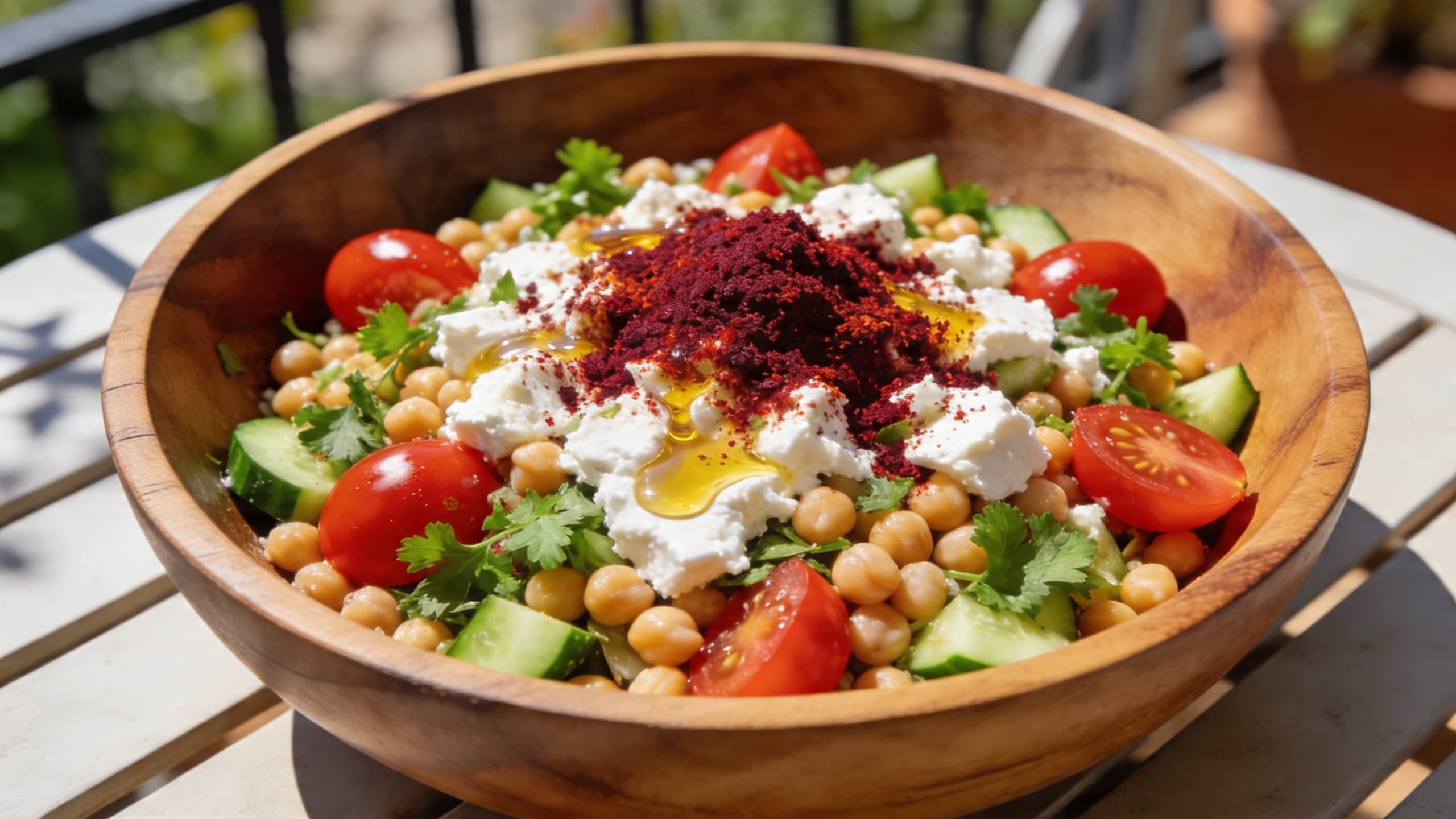
Sometimes we reach for the lemon juice when a dish feels "flat," but adding more liquid can make a salad soggy or a sauce too thin. This is where sumac shines. It provides that essential acidity and brightness without adding any extra moisture. It’s the "dry acid" your kitchen has been missing.
Great cooking isn't about complexity; it's about finding the perfect balance between salt, fat, and acid.
Unlocking the Magic in Your Kitchen
Healthy eating shouldn't be a chore; it should be the most delicious part of your family's day. By avoiding these simple pitfalls, you’re not just adding a spice—you’re adding a story, a burst of health-boosting antioxidants, and a whole lot of soul to your table.
Key Takeaway: Treat sumac as your "finishing salt" with a citrus twist. Use it to brighten fats, balance sweets, and add a pop of color that makes even a simple bowl of lentils look like a masterpiece.
Vibrant food, vibrant life! I can't wait to hear how you're using this crimson treasure in your own coastal kitchen.
#sumachacks #mediterraneancooking #healthyeating #spicescience