

Why Your Smokes Fall Flat: 5 Science-Backed Fixes for Deeper Flavor Lock-In
Mastering the surface chemistry of bark and bite.

If you’ve ever pulled a brisket off the pit only to find the bark sliding off like a cheap suit, or smoked a batch of carrots that tasted more like a damp campfire than a side dish, we need to have a serious talk about thermodynamics. Most people think "smoke flavor" just happens because there’s a fire nearby. In reality, getting smoke to actually stick to your food is a high-stakes game of surface chemistry and moisture management.
I learned this the hard way during my early days in the Michelin circuit. I was trying to cold-smoke a cured duck breast for a fusion carpaccio. I rushed the drying process, threw it in the cabinet while the surface was still slick with brine, and ended up with a grey, acrid mess that tasted like an ashtray. I still have a faint scar on my forearm from the frantic pan-flip that followed—a literal reminder that the pit doesn't lie, and it certainly doesn't forgive a lack of preparation.
Building a solid cooking routine isn't just about the recipes; it's about mastering the "invisible" steps that happen before the heat even touches the meat. Here is the science-backed blueprint for locking in that deep, mahogany smoke profile every single time.
1. The Pellicle: Your Flavor Magnet
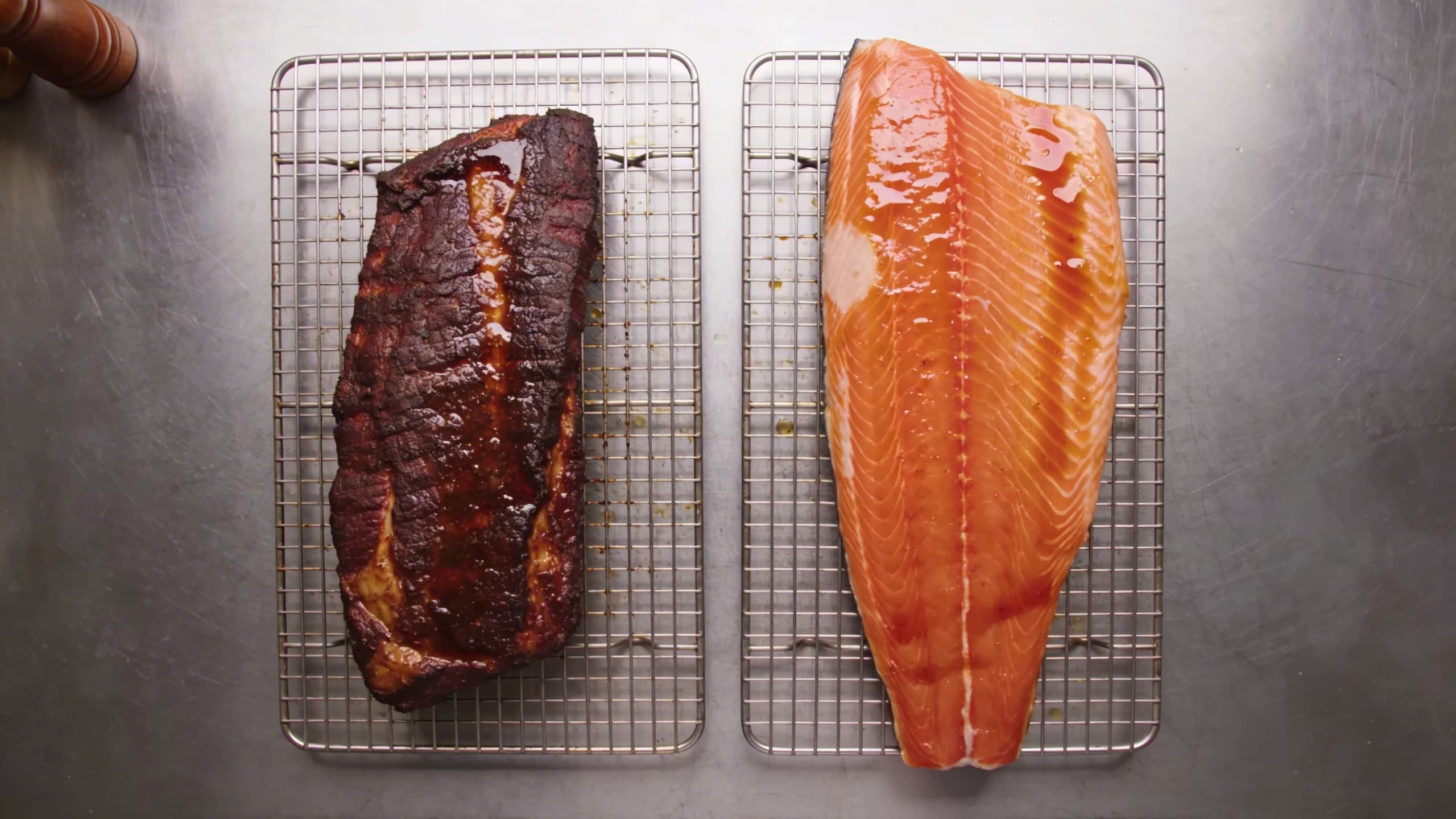
The single biggest mistake home cooks make is putting wet food into a smoker. Smoke molecules are attracted to a very specific surface state called a pellicle. This is a thin, tacky layer of proteins that forms on the surface of meat (and some fibrous vegetables) when it’s allowed to air-dry.
Think of the pellicle as a biological Velcro. If the surface is dripping wet, the smoke simply rolls off with the steam. If it’s bone-dry and leathery, the smoke can't penetrate. You want that "tacky" feeling—like the back of a Post-it note.
Tip: For the perfect pellicle, pat your proteins dry with paper towels and let them sit uncovered on a wire rack in the fridge for 2–4 hours (or overnight for larger cuts like brisket or pork butt). This cold, circulating air is the secret to a professional-grade bark.
2. The Humidity Paradox
While we want the surface of the food to be tacky, we want the environment of the smoker to be humid. This sounds counterintuitive, but it’s pure physics. Water-soluble smoke compounds (the ones that actually taste good, like syringol and guiacol) are more attracted to moist environments.
This is why we use water pans. A humid cooking chamber slows down the evaporation on the meat's surface, keeping that pellicle "active" for longer. Once the surface of your meat completely dries out and hardens into a crust, smoke absorption effectively stops.
Pro Tip: Don't just put water in your pan. Use a 50/50 mix of apple cider vinegar and water, or even a splash of dry vermouth. The acidity helps break down surface proteins, further increasing the "stickiness" for smoke particles.
3. Temperature Differentials and "Cold Attraction"
Smoke is lazy. It wants to go where it’s easiest to land. There is a phenomenon called thermophoresis, where particles move from hot areas to cold areas. This is why putting a cold piece of meat into a hot smoker actually results in more smoke adhesion in the first hour than putting a room-temperature piece in.
Great BBQ isn't just about the wood you burn; it's about the surface you prepare. If the chemistry isn't right, the flavor won't stay.
4. The Vegetable Challenge: Surface Tension
Vegetables are trickier because they lack the dense protein structures of meat. To get smoke to stick to a carrot or a head of cauliflower, you need to create an artificial pellicle.
Most people just toss veggies in oil and hope for the best. Warning: Heavy oil acts as a barrier, reflecting smoke instead of absorbing it. Instead, use a light "mop" or a thin emulsion of mustard and vinegar. The sugars and proteins in the mustard provide the landing pad that the vegetable lacks.
5. Clean Smoke vs. Dirty Smoke
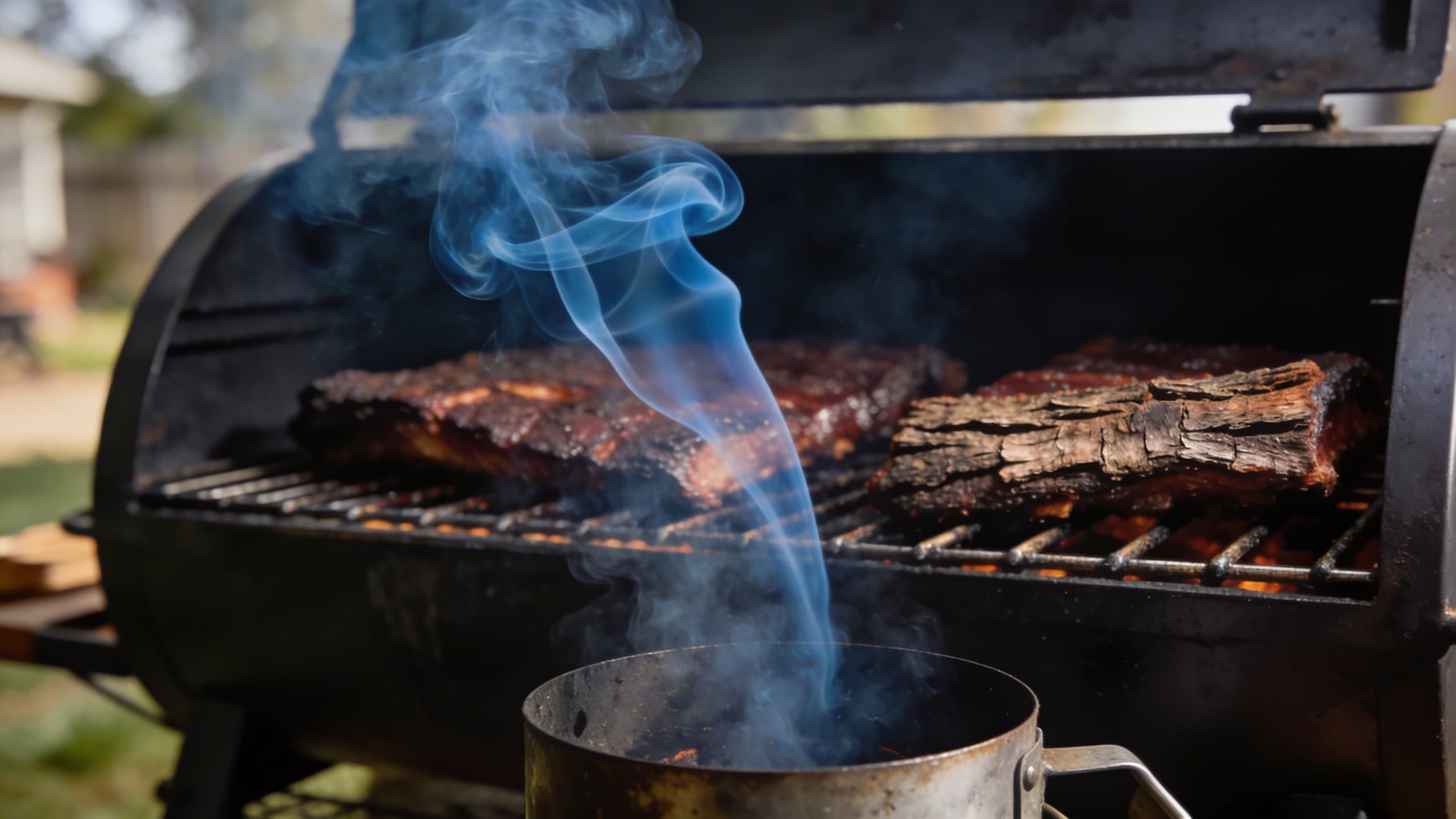
You’ve seen it: that thick, billowing white smoke that looks like a Victorian chimney. That is "dirty" smoke, filled with creosote and soot. It doesn’t "adhere"—it stains. It leaves a bitter, numbing sensation on the tongue.
What you’re looking for is the "Blue Ghost"—that thin, almost invisible blue shimmer. This smoke is comprised of smaller, cleaner particles that can actually weave into the protein fibers rather than just sitting on top like a coat of bad paint.
Key Takeaway: If you can't see through the smoke, you're ruining the food. Manage your airflow to ensure a clean, hot fire. Precision in your fire management leads to nuance in your flavor.
Integrating these steps into your routine—the overnight dry, the humidity management, the fire control—moves you away from "guessing" and into the realm of "crafting." It’s the difference between a backyard hobbyist and a pitmaster with a Michelin soul.
Keep it classy, keep it smoky.
Did You Know? Smoke contains over 100 different compounds, but only a handful are responsible for that classic BBQ aroma. The most important ones are phenols, which act as both a flavor agent and a preservative!