

The Vacuum Leak: 5 Hidden Mistakes Sabotaging Your Smoked Sous-Vide Proteins
Mastering the intersection of smoke and water for the ultimate fusion protein.

If you think sticking a vacuum-sealed duck breast into a water bath is a 'set it and forget it' shortcut to Michelin-star status, we need to have a serious conversation about thermodynamics and the structural integrity of your protein. Home sous-vide is a miracle of precision, but when you introduce the primal, chaotic element of wood smoke into that equation, things can go sideways faster than a cheap hollandaise.
I’ve spent years calibrating the intersection of French finesse and deep-pit tradition, and let me tell you: the road to a perfect smoked-and-circulated bird is paved with soggy skin and "gray-band" disasters. Most home cooks are making a handful of technical errors that turn a potential masterpiece into a watery, acrid mess.
Today, we’re looking at the "Big Box" store approach to these gadgets versus the professional standard, and why your grocery-store-brand vacuum bags might be the silent killer of your smoke ring.
1. The "Wet Surface" Sin: Why Smoke Won't Stick to Your Bird
The most common blunder I see is the "rinse and toss" method. Smoke is an aerosol; it needs a specific surface environment to adhere. If your duck breast or pork tenderloin is dripping with moisture from the bag or a quick tap-rinse, the smoke will simply slide off or, worse, create a bitter, ashy film.
Did You Know? Smoke particles are attracted to cool, tacky surfaces. This is called a 'pellicle.' Without it, you aren't smoking; you're just making your kitchen smell like a campfire.
The Battle-Tested Fix:
Before you even think about the smoker, pat that protein dry with industrial precision. I’m talking bone-dry. Then, let it sit uncovered in the fridge for two hours. This creates the 'tacky' pellicle that acts like a magnet for those phenolic compounds we crave.
2. The Vacuum Extraction Trap: Flavor vs. Fluid
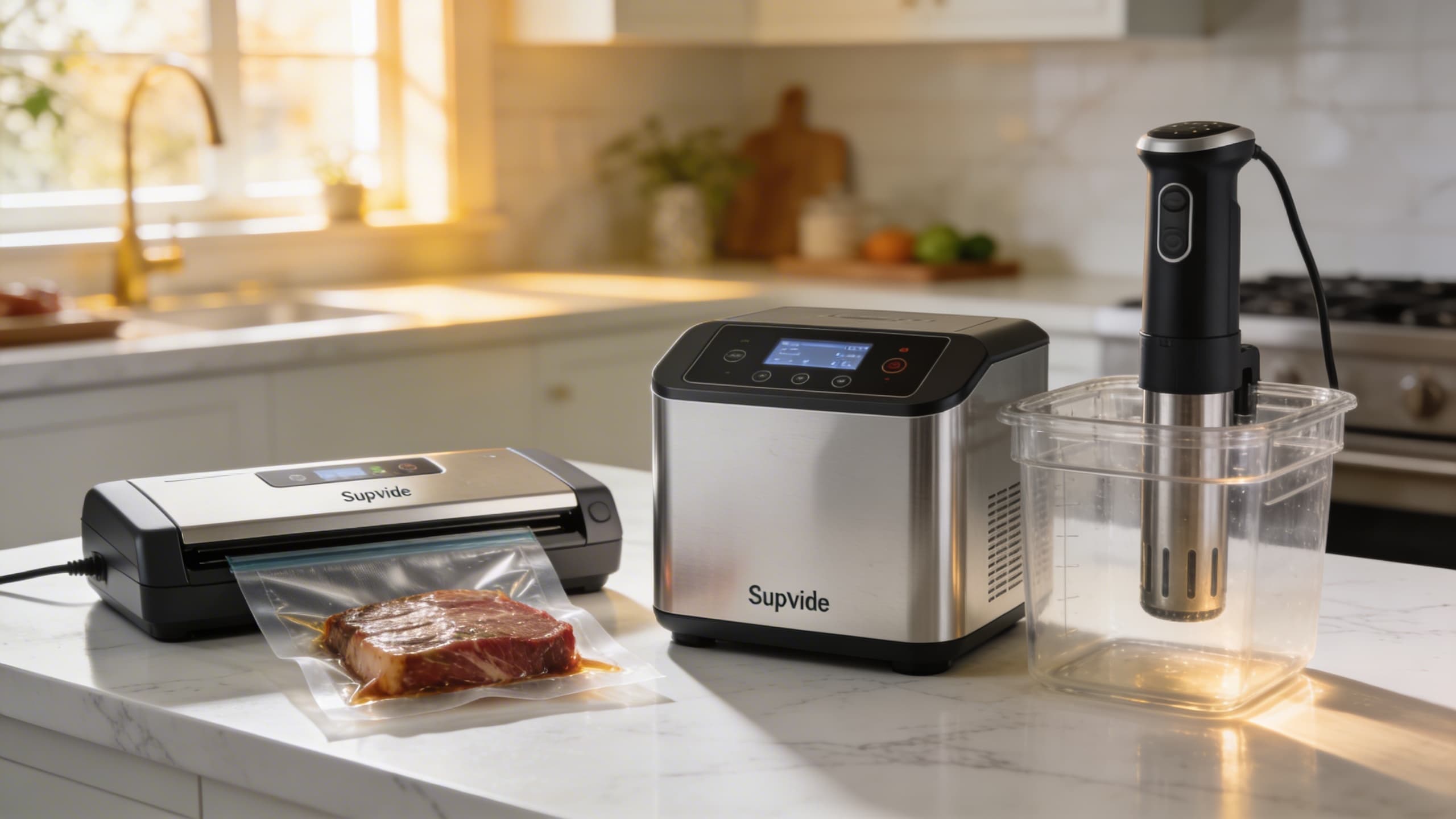
Here is where the "review" of your gear becomes critical. I’ve tested everything from the $50 grocery store vacuum sealers to chamber vacs that cost more than my first car. The cheaper suction-style sealers often pull too much atmospheric pressure, literally squeezing the intracellular juices out of the meat before it even hits the water.
If you’re seeing a pool of red liquid in your bag before the cook even starts, you’ve already lost the battle for juiciness.
The Battle-Tested Fix:
If you’re using a standard home sealer, don't just hit 'Auto.' Use the 'Pulse' or 'Moist' setting. You want the bag snug, not acting like a medieval torture device for your filet. For the ultimate French-Italian fusion—say, a 48-hour short rib—consider a double-bag technique to ensure no smoke-scented water leeches back in.
3. The Temperature Paradox: Cold Smoke vs. Hot Bath
Most people smoke after the sous-vide. That’s a structural mistake. By the time that chicken thigh is perfectly cooked to 150°F, the proteins are tightened. They aren't "open" to receiving smoke.
Pro Tip: Always smoke your meat while it is cold—straight from the fridge. Cold meat allows for deeper smoke penetration and prevents the 'gray band' of overcooked meat that ruins a beautiful medium-rare cross-section.
4. The Bag-Liquid Myth: Butter is Not Your Friend
I know, I know. "Don't fear the butter" is one of my rules. But in a vacuum bag, fat is a solvent. If you put a pat of butter in the bag with a smoked protein, the fat will actually pull the smoke flavor out of the meat and into the liquid. When you throw that liquid away, you’re tossing your hard-earned flavor in the sink.
5. The Searing Stumble: Losing the Bark
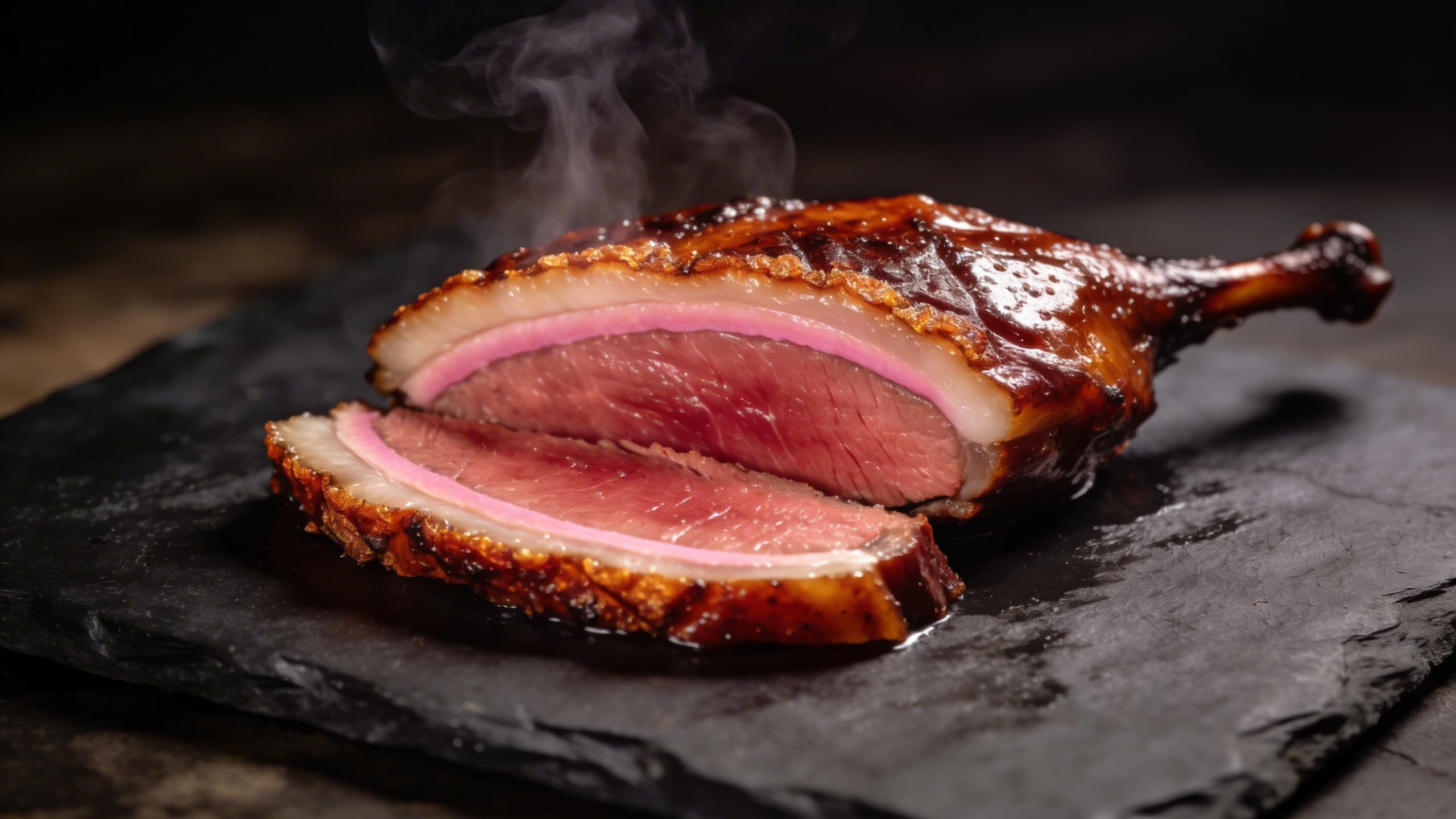
The final saboteur is the finish. You’ve smoked it, you’ve bathed it, it’s tender... and then you toss it in a lukewarm pan. The moisture from the sous-vide bag will steam the meat instead of searing it.
The Battle-Tested Fix:
- Remove from the bag.
- Pat dry (again!).
- Chill in an ice bath for 10 minutes (to prevent overcooking the center).
- Sear in a ripping hot cast-iron skillet with a high-smoke-point oil (Grapeseed or Avocado).
Key Takeaway: Precision cooking isn't about the gadgets; it's about managing the environment. Dry the surface, respect the vacuum pressure, and always smoke cold.
Keep it classy, keep it smoky. Your palate—and your dinner guests—will thank you for the recalibration.
#sousvide #bbqtechniques #frenchitalian #foodscience #modernistcuisine