

The Smoldering Secret: 5 Pro-Level Smoke Hacks for the Budget Kitchen
High-end flavor doesn't require high-end gear. Master the thermodynamics of the pit.

The Alchemy of Smoke: High-End Flavor on a Low-Rent Budget
Most people think that to achieve a Michelin-star smoke profile, you need a $5,000 offset smoker and a dedicated wood lot. I’m here to tell you that’s a beautiful lie. During my early days in a cramped apartment kitchen—long before I had a custom-built rig—I learned that smoke is less about the equipment and more about the thermodynamics of the molecule. If you understand the physics of a smoke ring and the chemistry of lignin, you can turn a $20 terracotta pot into a flavor-generating powerhouse.
Smoke isn't just a seasoning; it’s a structural component of the dish. It provides the bass notes that allow the high-frequency acidity of a French gastrique to truly sing. Today, we’re stripping away the gatekeeping and focusing on the raw science of "poor man’s" BBQ, infused with the precision of a fine-dining technician.
1. The "Alton Brown" Flower Pot Hack
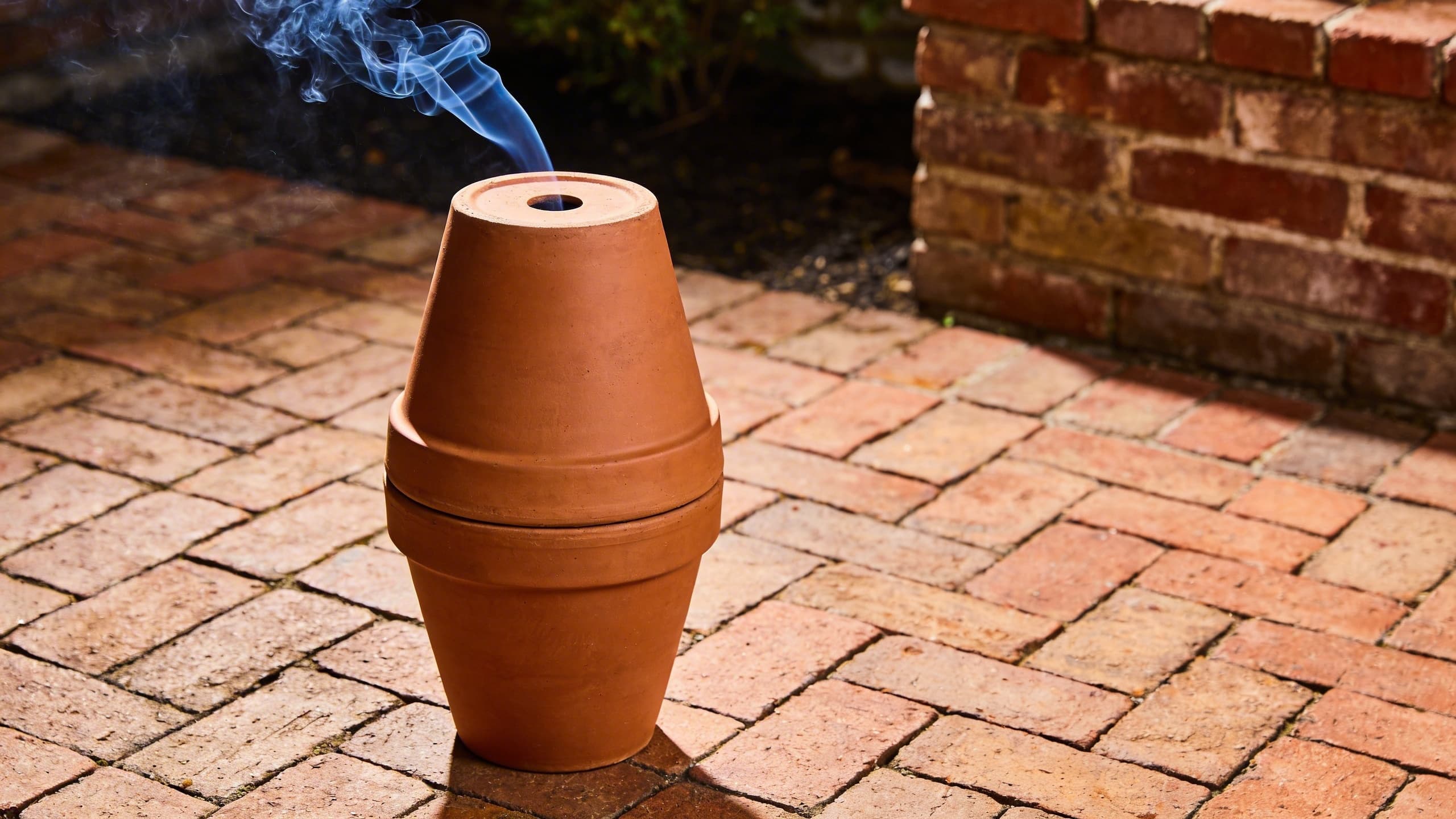
If you have two large terracotta pots and a single electric hot plate, you have a smoker that rivals some of the best insulated cabinets on the market. Terracotta is a thermal masterpiece; it retains heat with an efficiency that would make a copper saucier jealous.
Place the hot plate at the bottom of one pot, set a small cast-iron skillet filled with wood chips directly on the element, and stack the second pot on top. The porous nature of the clay allows for a subtle "breathing" effect that prevents the smoke from becoming acrid or "stale."
Pro Tip: Always use unglazed terracotta. Glazed pots can release lead and other toxins when heated to cooking temperatures. We’re looking for deep flavor, not a heavy metal detox.
2. The Science of the "False" Smoke Ring
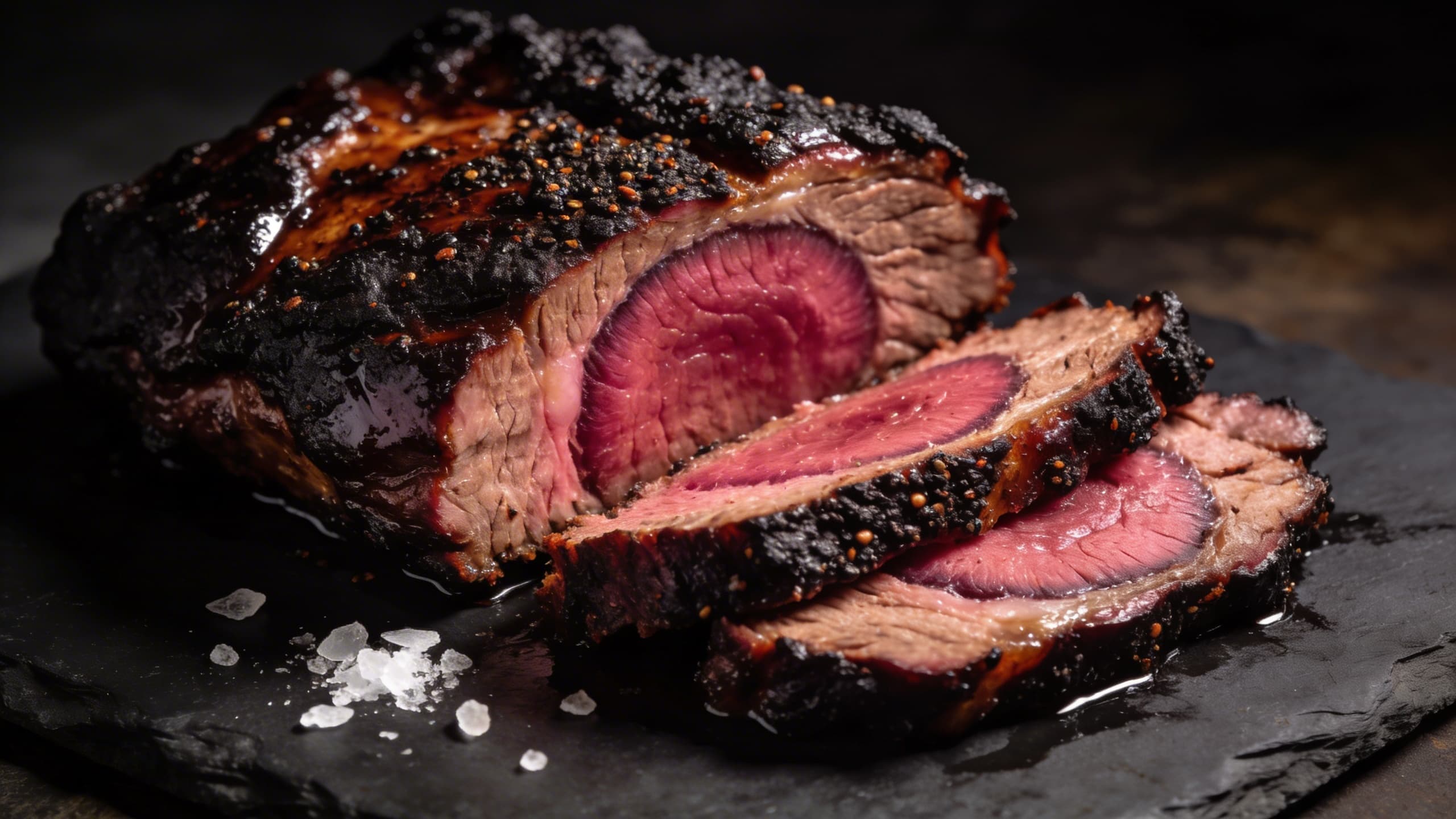
Let’s talk about the smoke ring. That pink halo isn't actually flavor—it’s a chemical reaction between nitrogen dioxide and myoglobin. While a deep ring is the hallmark of a patient pitmaster, you can achieve the same structural aesthetic and moisture retention by using a "surface-active" rub.
By adding a tiny fraction of pink curing salt (Prague Powder #1) to your dry rub—roughly 1/4 teaspoon per pound of meat—you can jumpstart that nitric oxide reaction. It’s a bit of a kitchen "cheat code," but in the world of fusion BBQ, results trump tradition every time.
Did You Know? The smoke ring stops forming once the meat's surface hits 140°F (60°C). If you want a deeper ring, start your meat cold—straight from the fridge—to maximize the time it spends in the "reactive zone."
3. Wood Alternatives: The Pantry Raid
You don't need to buy expensive bags of kiln-dried hickory. If you’re looking for a subtle, French-inspired smoke profile, look no further than dried culinary herbs and nut shells.
Dried rosemary stalks, thyme sprigs, and even walnut shells produce a high-frequency smoke that is much more nuanced than the heavy "campfire" taste of oak or mesquite. This is the secret to my Smoked Fennel & Potato Tian. I don't use logs; I use the woody stems of the herbs themselves.
Warning: Never use pressure-treated wood, cedar, or any resinous pine. They contain terpenes and chemicals that will turn your expensive brisket into a bitter, soapy disaster.
4. The "Cold Smoke" Emulsion Hack
One of the most sophisticated ways to use smoke is not on meat, but in your fats. Smoked butter or smoked olive oil is the foundation of a world-class emulsion. You don't need a cold-smoke generator for this.
Simply fill a large bowl with ice, place a smaller bowl of butter or oil on top, and use a handheld "smoking gun" (or a simple soldering iron in a tin of wood chips) to trap smoke under a layer of plastic wrap for 10 minutes. The fat captures the smoke molecules without melting, giving you a high-viscosity, smoky component for your sauces.
Great cooking is about the mastery of molecules, whether they are in a liquid emulsion or a gaseous smoke suspension.
5. Managing the "Stall" Without the Foil
In the BBQ world, we talk about "The Stall"—that frustrating period where the meat's temperature stops rising due to evaporative cooling. The "Texas Crutch" (wrapping in foil) is the common fix, but it ruins the "bark" (the outer crust).
Instead of foil, use butcher paper. It’s a cost-saving hack that allows the meat to breathe while still trapping enough heat to push through the stall. This preserves the structural integrity of the bark while ensuring the internal lipids fully render.
Key Takeaway: Professional smoke flavor is a result of temperature control and moisture management, not the price tag of your grill. Focus on unglazed clay for heat, cold starts for smoke rings, and herb stems for nuance.
Cooking is an evolution. I’ve spent years in Michelin kitchens and years behind a smoker, and the most important lesson I’ve learned is that the best tools are often the ones you already have—you just need the technical precision to use them correctly.
Keep it classy, keep it smoky.
#bbqhacks #foodscience #finedining #diybbq #kitchenhacks