

The Smoldering Saucier: 5 Precision Fixes for Wood-Fired Emulsions
Stop throwing away broken sauces and start engineering smoke-kissed perfection.

The Smoldering Saucier: Engineering the Perfect Smoke-Kissed Emulsion
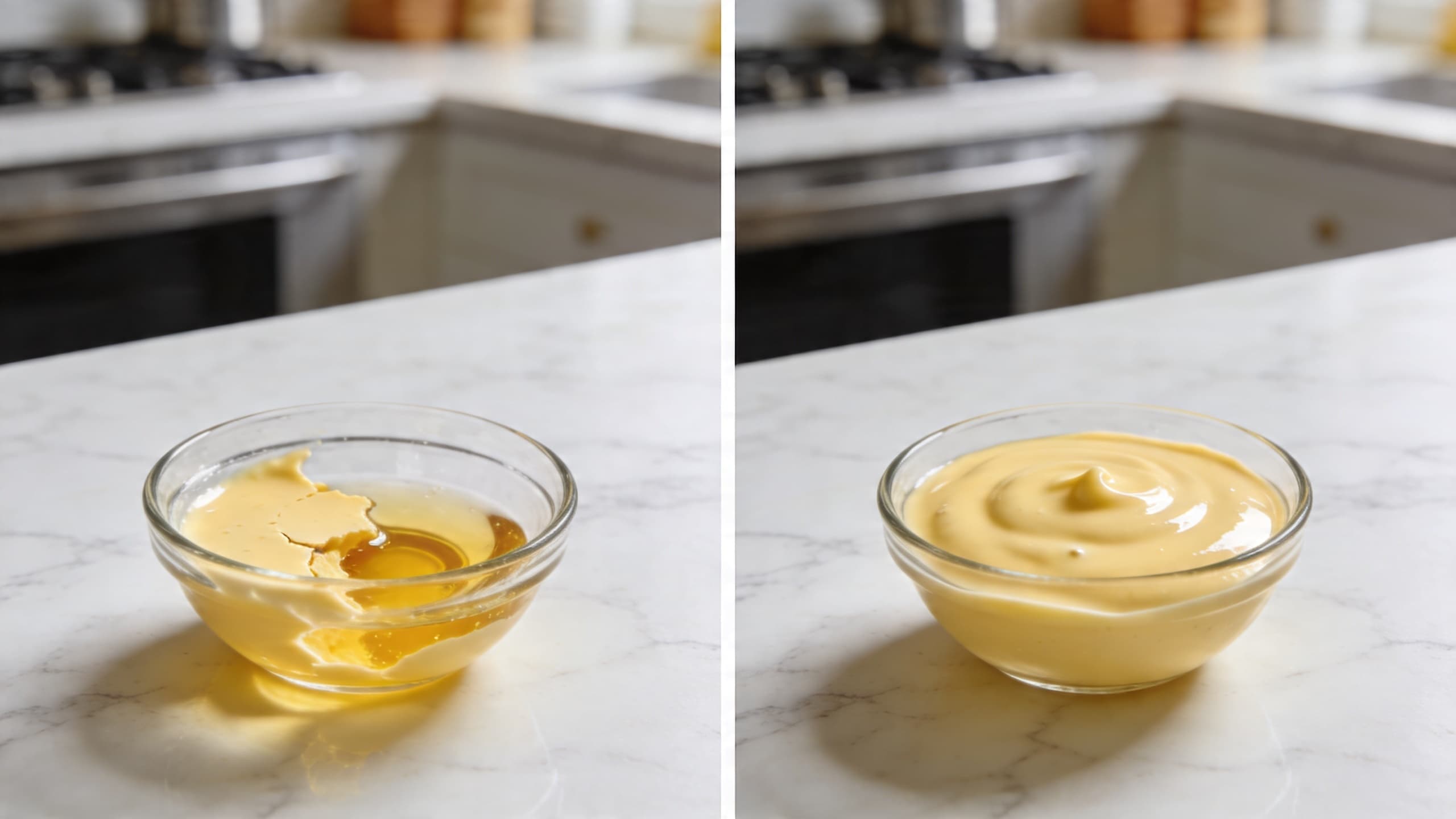
Listen, we’ve all been there. You’ve spent twelve hours babying a brisket, the bark is a work of geological art, and you decide to elevate the plating with a silk-smooth, wood-fired Hollandaise. You start whisking, the butter is cascading in a golden ribbon, and then—snap. The sauce breaks. It looks less like a Michelin-star accompaniment and more like a tragic oil spill in a yellow sea.
I’ve got the scars—literal and metaphorical—from chasing the dragon of a stable, smoky emulsion. In my early days, I thought I could just brute-force the physics of fat and water. I was wrong. Emulsification isn't a suggestion; it’s a law of thermodynamics. But once you master the "why" behind the break, you stop throwing expensive grass-fed butter down the drain. Today, we’re talking about the five silent killers of your wood-fired sauces and how to fix them without losing your cool (or your grocery budget).
1. The Thermal Trap: Temperature Inconsistency
The biggest mistake home cooks make is treating their emulsion like a cold vinaigrette. When you're working with animal fats—especially smoked tallow or clarified butter—temperature is your best friend and your worst enemy. If your fat is too hot, it cooks the egg yolks instantly (hello, scrambled eggs). If it’s too cold, the fat won't disperse into tiny enough droplets to stay suspended.
Tip: Your fat should be between 130°F and 145°F. Use a high-quality digital thermometer—the same one you use for your brisket—to verify the temp before the first drop hits the bowl.
2. The Velocity Vice: Adding Fat Too Fast
Precision requires patience. In a French kitchen, we call this the "thread method." If you dump a quarter-cup of smoked butter into your yolks at once, you’re overwhelming the lecithin (the natural emulsifier in the yolk). The oil droplets collide, merge, and the sauce separates.
3. The Acidity Amnesia
A great French-Italian fusion sauce needs a backbone of acidity to cut through the heavy smoke and fat. But acidity isn't just for flavor; it actually helps stabilize the egg proteins. I’ve seen pitmasters skip the white wine reduction or the lemon juice entirely, wondering why their sauce feels "flabby" and breaks under the slightest heat.
Pro Tip: For a wood-fired twist, grill your lemons halved-side down over the coals before squeezing. The caramelized sugars add a depth that bridges the gap between the bright citrus and the deep smoke of the fat.
An emulsion is a fragile peace treaty between two substances that naturally hate each other. Your job is to be the diplomat with the whisk.
4. The Smoke Particle Sabotage
When you’re infusing your butter with wood fire, you’re introducing microscopic particulates into the fat. If you don't strain your smoked butter through a fine-mesh sieve or cheesecloth, those tiny bits of ash and soot act as "seeds" for the emulsion to break around. It’s like trying to build a brick wall on a bed of gravel.
5. The "Save It" Secret: The One-Teaspoon Fix
If the worst happens and your sauce breaks, do NOT throw it away. That's pure liquid gold you’re tossing. Most people think they need to start from scratch with four new yolks. Wrong.
Key Takeaway: To rescue a broken emulsion, put one teaspoon of boiling water in a clean bowl. Slowly—and I mean slowly—whisk your broken sauce into that teaspoon of water. The hot water re-establishes the base, allowing the fat to re-incorporate. It works 95% of the time and saves you $15 in ingredients.
The Precision Workflow
- Mise en Place: Have your smoked fat at 140°F and your yolks at room temp.
- The Base: Whisk your yolks with a splash of warm water and your acid (lemon or reduction) over a double boiler until they’re pale and thick.
- The Integration: Start with a drop. Then a stream. Then a ribbon.
- The Finish: Season with smoked sea salt and a touch of cayenne.
Final Thoughts
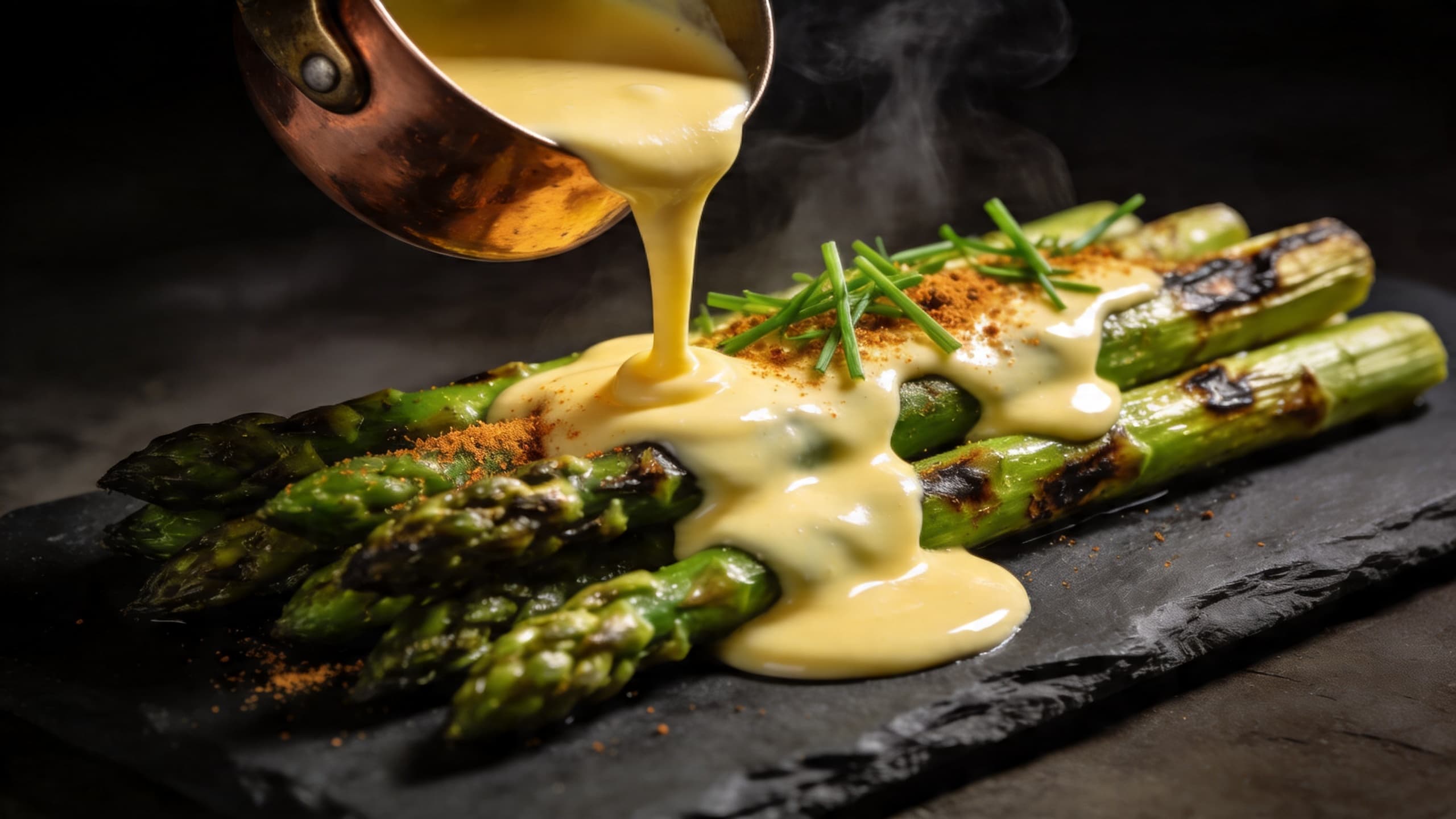
Mastering the smoldering saucier lifestyle isn't about luck; it's about respecting the science of the whisk. When you nail that texture—that thick, glossy, smoke-perfumed velvet—it changes everything. Your backyard BBQ becomes a white-tablecloth experience.
Keep it classy, keep it smoky. And for the love of all things culinary, stop rushing the butter.
#bbqtips #frenchtechnique #saucescience #chefhacks #smokedhollandaise