

The Smoke Whisperer: 5 Precision Hacks for Subtle Fusion Infusions
Mastering the Molecular Nuance of Smoke in Refined Cooking

If your idea of a "smoke profile" is just blasting a piece of protein until it tastes like a campfire's gym sock, we need to have a serious conversation about molecular precision. In the world of French-Italian fusion, smoke isn't a sledgehammer; it’s a silk scarf. It should wrap around the acidity of a reduction or the creaminess of a risotto without suffocating the life out of them.
Believe me, I learned this the hard way. Early in my career, I thought "more wood equals more flavor." I was trying to cold-smoke a delicate sea bass for a crudo. I got impatient, the vent clogged, and when I cleared it, a backdraft of cherry wood smoke took off my left eyebrow. I spent the next three weeks looking like a perpetually surprised villain, but it was the wake-up call I needed. Precision technique isn't just about safety; it’s about the chemistry of the palate.
The Chemistry of the "Clean" Burn
To master smoke in a refined kitchen, you have to understand the science. When wood burns, it releases hundreds of compounds, but the two heavy hitters are Guaiacol (that classic smoky, phenolic aroma) and Syringol (the spicy, savory scent). If you burn your wood too cold or without enough oxygen, you get creosote—the bitter, acrid soot that ruins a delicate beurre blanc.
Fusion isn't about the collision of ingredients; it's about the harmony of their molecular structures.
To keep it classy (and smoky), you need "blue smoke"—that nearly invisible, translucent wisp. This is where the money-saving aspect kicks in. You don't need a $10,000 offset smoker to achieve michelin-level results. You can manipulate the chemistry right on your stovetop or in a simple Dutch oven.
1. The "Herb-Torch" Infusion (Zero-Waste Smoke)
Most people throw away the woody stems of rosemary, thyme, and oregano. Stop that. Those stems are packed with essential oils that, when charred, provide a resinous, sophisticated smoke that complements Italian herbs perfectly.
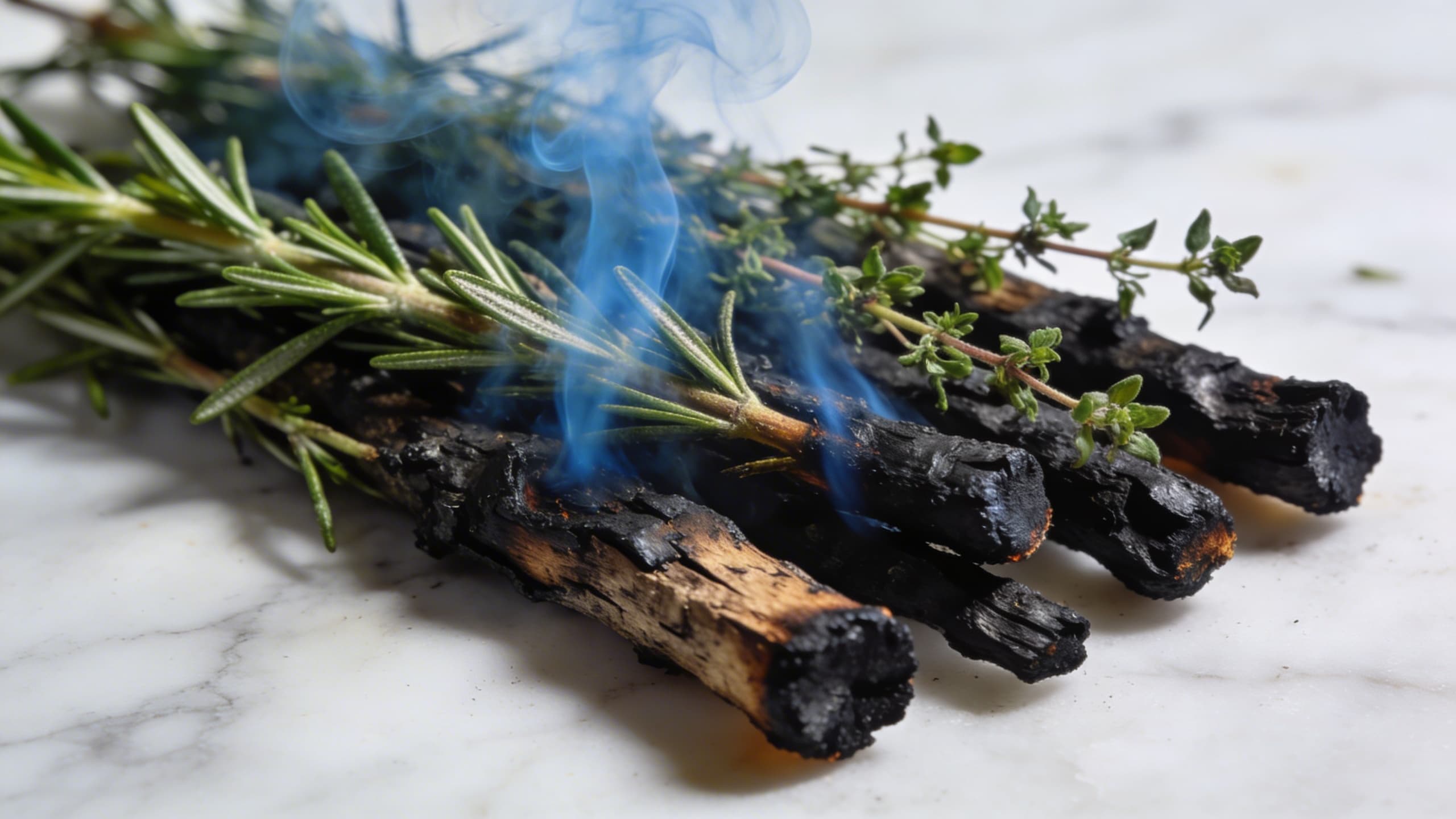
Tip: Instead of wood chips, use dried herb stems for a shorter, cleaner smoke session. It’s free, reduces waste, and the flavor is far more "garden-fresh" than heavy hickory.
2. Cold-Smoking Your Fats, Not Your Proteins
Here is a pro-level secret: stop smoking the meat directly if you’re worried about masking it. Instead, smoke your butter or olive oil. Fats are incredible carriers for those Guaiacol compounds.
- Place a bowl of high-quality butter over an ice bath.
- Use a handheld smoking gun (or a DIY tin-foil packet with one charcoal ember) to trap smoke in the container for 5 minutes.
- Use that smoked butter to finish a French pan sauce.
The result? A haunting, ghostly hint of smoke that sits behind the acidity of the wine, rather than in front of it.
3. The "Tea-Stain" Technique
If you want the nuance of smoke without the equipment, look to the East. Lapsang Souchong tea is dried over pinewood fires. Steeping this tea into a cream base for a pasta sauce or using it as a poaching liquid for poultry gives you a controlled, measurable smoke intensity. It’s consistent, dirt cheap, and requires zero cleanup of ash.
4. Controlling Viscosity and Smoke Adhesion
Smoke sticks to moisture. If your protein is wet when it hits the smoke, it will develop a heavy, dark "bark" that can taste bitter in a refined dish.
Pro Tip: Always "pellicle-dry" your ingredients. Let your fish or poultry sit uncovered in the fridge for two hours before smoking. The tacky skin that forms will grab the flavor molecules evenly, giving you a stunning golden hue rather than a soot-covered mess.
5. The Acid Counter-Balance
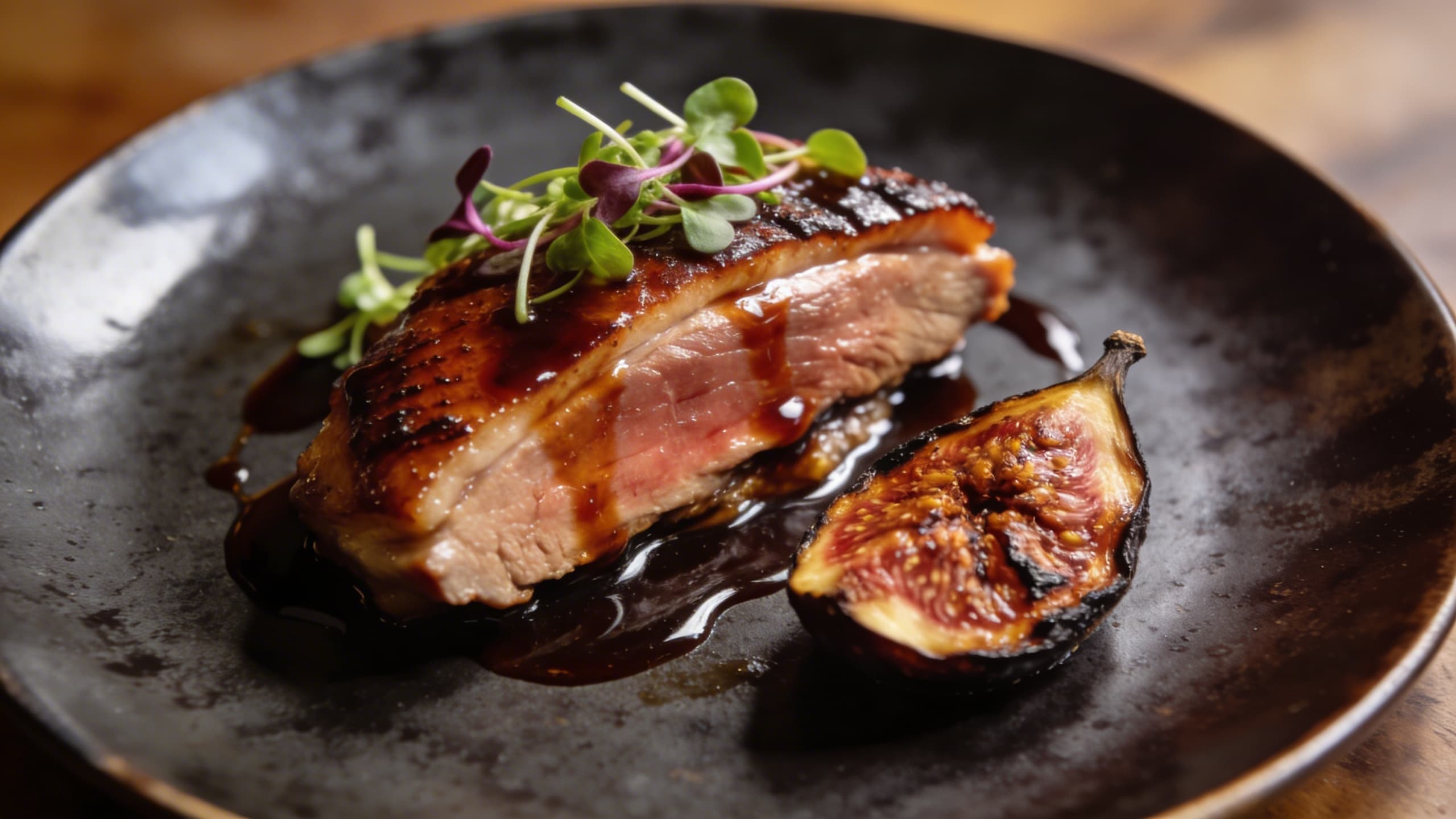
The biggest mistake in smoke-fusion is forgetting the "Agrodolce" principle. Smoke is a base note—it’s heavy. To make it dance, you need high-vibrancy acidity. If I’m serving a smoked duck breast, I’m finishing it with a gastrique made from balsamic vinegar and charred figs. The acidity cuts through the phenols, refreshing the palate for the next bite.
Key Takeaways for Your Kitchen Tonight
- Keep it Blue: If the smoke is white and thick, it’s bitter. If it’s blue and thin, it’s sweet.
- Utilize Scraps: Charred herb stems are your best friend for delicate infusions.
- Smoke the Fat: Infuse your butter or oil to control the "dosage" of smoke in the final sauce.
- Dry is Fly: A dry surface ensures a clean, even flavor profile.
Did You Know? The "smoke ring" in BBQ is actually a chemical reaction between nitrogen dioxide and myoglobin. While it looks stunning, it actually has zero flavor. Focus on the aroma, not the pink ring.
Don't fear the fire, but respect the thermodynamics. Keep it classy, keep it smoky.
#bbqtechniques #frenchitalianfusion #kitchenhacks #finediningathome