

The Smoke and the Snap: 5 Hidden Mistakes Ruining Your Wood-Fired Pasta
How to Master the High-Stakes Collision of Starch and Smoke Without Losing Your Eyebrows

The intersection of a rolling oak-wood fire and a delicate hand-rolled pappardelle is where most home cooks find their breaking point. It’s a high-stakes collision of thermodynamics and tradition, and if you aren't careful, you’ll end up with something that tastes more like a campfire disaster than a Michelin-starred fusion. I’ve spent the better part of a decade trying to bridge the gap between the precision of a Parisian saucier and the raw energy of a Texas pit, and let’s just say my eyebrows have paid the price in the pursuit of the perfect char.
One particular afternoon in the early days, I leaned a bit too close to a roaring offset firebox to check the convection on a tray of smoked lasagne sheets. A sudden backdraft of post oak heat didn't just singe my dignity; it took a clean half-inch off my left eyebrow. I looked like a lopsided Bond villain for three weeks, but that singed souvenir taught me more about airflow than any textbook ever could.
If you’re struggling with uneven charring, limp noodles, or a smoke profile that tastes like an ashtray, you’re likely falling victim to one of these five sneaky saboteurs. Here is how we fix the engineering failures of your wood-fired pasta game.
1. The Low-Viscosity Trap: Your Sauce is Too Thin
In a wood-fired environment, evaporation happens at an accelerated rate. If you start with a sauce that is already thin, the intense heat of the smoker or wood oven will break the emulsion before it has a chance to coat the pasta. You end up with watery liquid at the bottom of the pan and "naked" noodles on top.
Tip: Always finish your pasta in the sauce before it hits the smoker. This allows the starch from the pasta to bond with the fats in your sauce, creating a high-viscosity coating that can withstand the dry heat of the fire.
2. The "Al Dente" Delusion
Most people boil their pasta to 90% completion before putting it in the smoker. This is a catastrophic mistake. The ambient heat of a wood fire continues to cook the interior of the noodle, turning your beautiful hand-rolled dough into a pile of mushy, limp sadness.
The Precision Fix:
You need to pull your pasta when it’s still "white in the center"—about 60% cooked. It should feel slightly brittle. The moisture from the sauce and the radiant heat of the wood will finish the cook perfectly, leaving you with that signature snap.
Great cooking is about technique, not complexity. If you can't control the snap of the noodle, you can't command the soul of the dish.
3. The Ashy Over-Smoke
Pasta is a porous sponge. If you use "dirty" smoke (that thick, white, billowing cloud), your dish will taste bitter. You are looking for the "Blue Ghost"—that nearly invisible, shimmering heat that carries the essence of the wood without the soot.
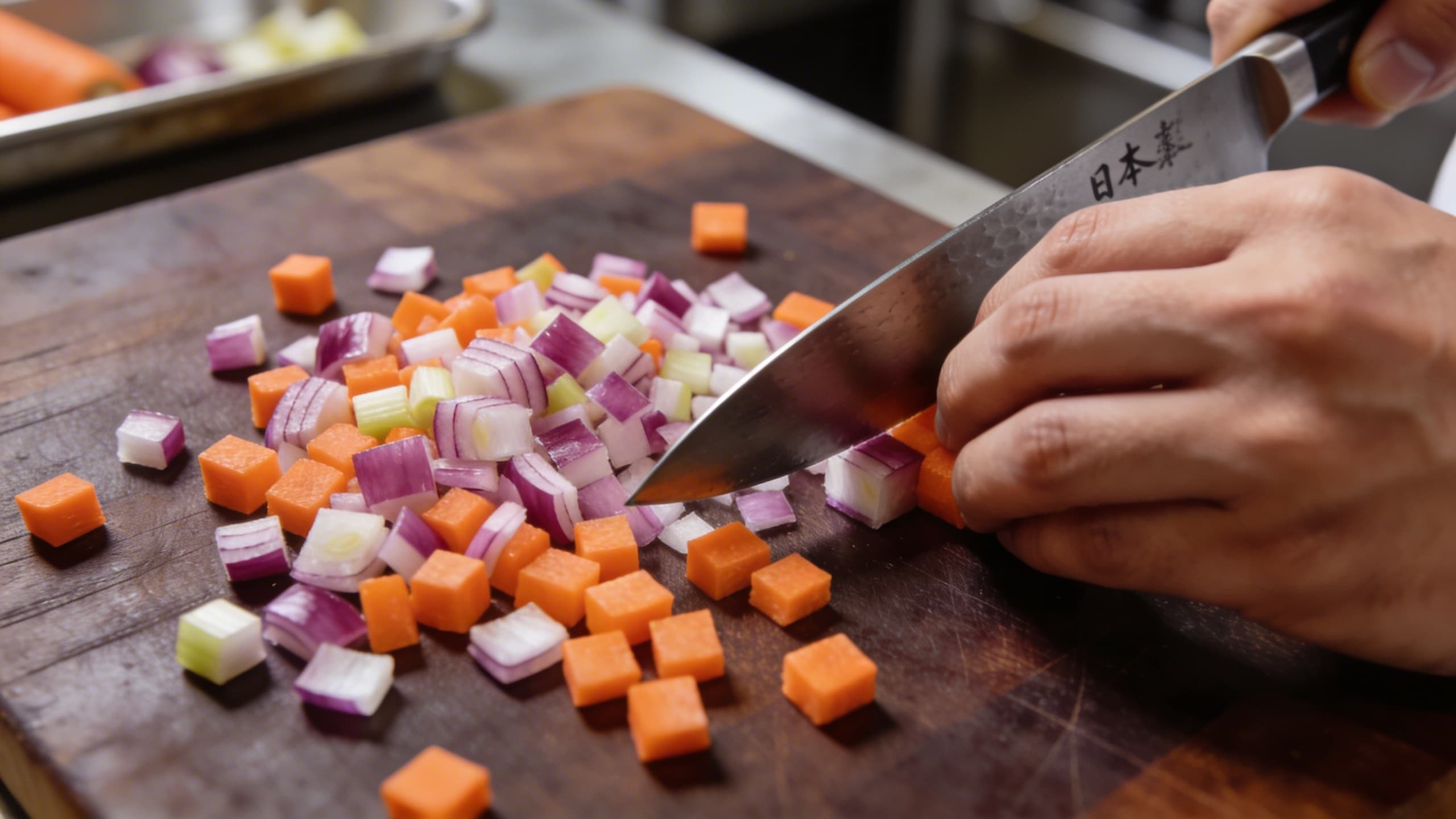
Pro Tip: Never add your pasta to the smoker until the fire has settled into a bed of glowing coals. Use kiln-dried oak or fruitwood to ensure a clean burn. If you see white smoke, keep the lid open.
4. Uneven Charring and Thermodynamic Dead Zones
If you just slide a tray of pasta into a wood-fired oven and walk away, the side facing the flame will carbonize while the other side remains pale and steamed. We’re looking for Leopard Spotting, not a total eclipse.
- The 45-Degree Rule: Rotate your vessel every 3 minutes.
- The Heat Shield: If the top is browning too fast, use a piece of parchment paper—not foil—to deflect the direct infrared heat while still allowing smoke penetration.
- The Liquid Buffer: Keep a spray bottle of salted pasta water nearby. A quick spritz on the edges prevents the pasta from drying out before the char develops.
5. The Aromatics Oversight
In the French-Italian tradition, we rely on delicate herbs. In the Texas tradition, we rely on heavy rubs. In wood-fired fusion, you have to recalibrate. Fresh basil will turn to black dust in 30 seconds under wood-fired heat.
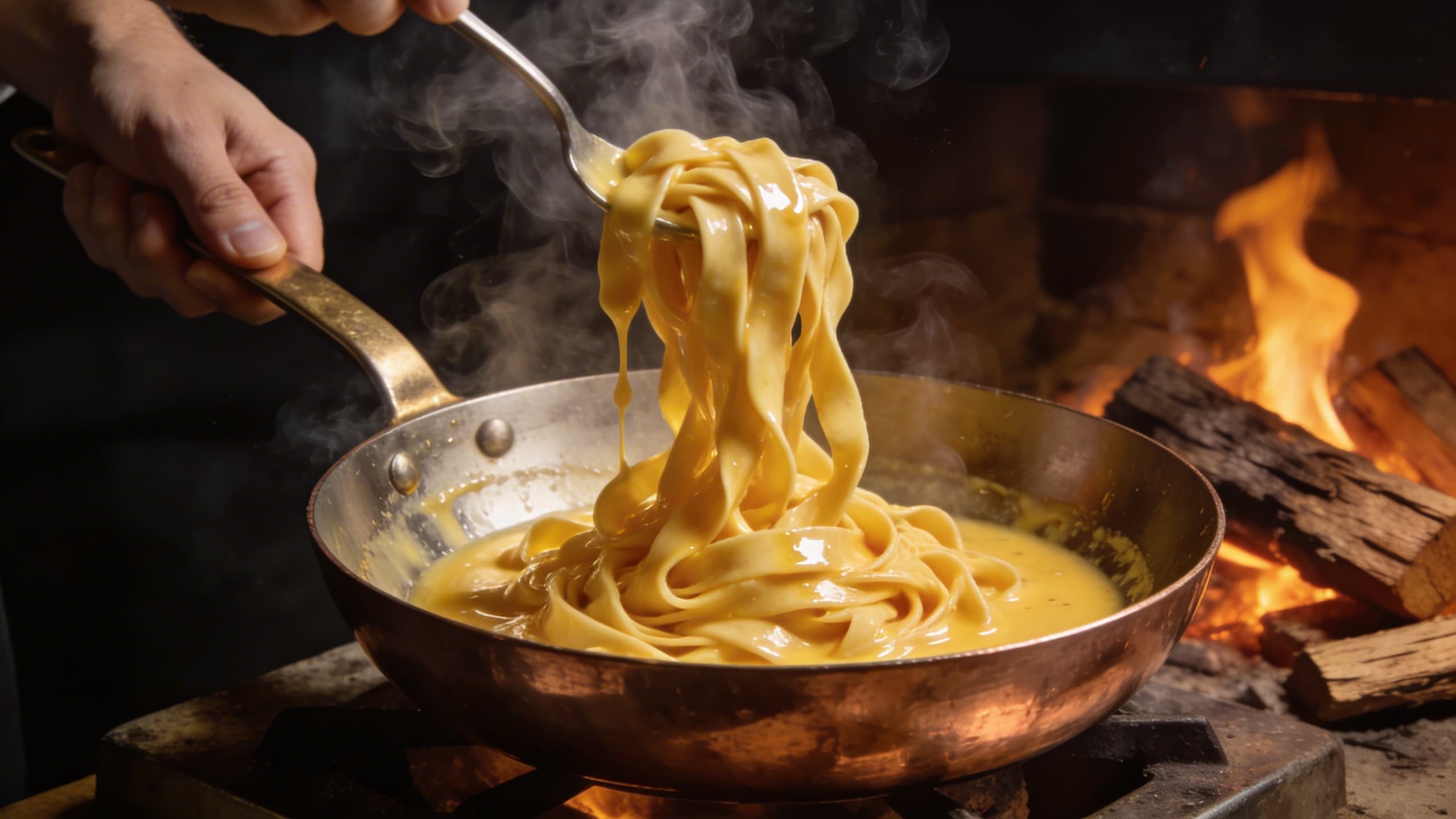
Did You Know? Hard herbs like rosemary and thyme actually benefit from the fire, releasing essential oils that "fry" into the pasta. Save the delicate herbs like parsley or chervil for the very last second after the dish leaves the heat.
Key Takeaway: The Pit Doesn't Lie
Wood-fired pasta isn't just about sticking a bowl of spaghetti in a smoker. It’s about managing the moisture, controlling the combustion, and respecting the starch. Keep your sauces thick, your noodles undercooked, and your smoke blue.
Warning: Watch your eyebrows. Convection waits for no one.
Keep it classy, keep it smoky.
#bbq #pasta #woodfired #chefxi #culinarytechnique