

The Semolina Struggles: 3 Blunders That Taught Me the Science of the Snap
How I learned to stop fighting the flour and start whispering to the dough.

Before I was "Big D," I was a kid in a Michelin-starred kitchen in Paris watching a master saucier weep over a broken emulsion. It taught me one thing: precision is non-negotiable, but if you don't have a sense of humor about the chaos, you'll never survive the heat. Today, we’re talking about the holy grail of French-Italian fusion—the hand-kneaded semolina dough.
Semolina is the "tough guy" of the flour world. It’s coarse, high-protein, and demands respect. When you’re blending Italian tradition with French finesse, your dough needs to be more than just a vehicle for sauce; it needs to be a structural masterpiece. But getting there? That's where the blunders happen.
Blunder #1: The "Desert Sand" Disaster
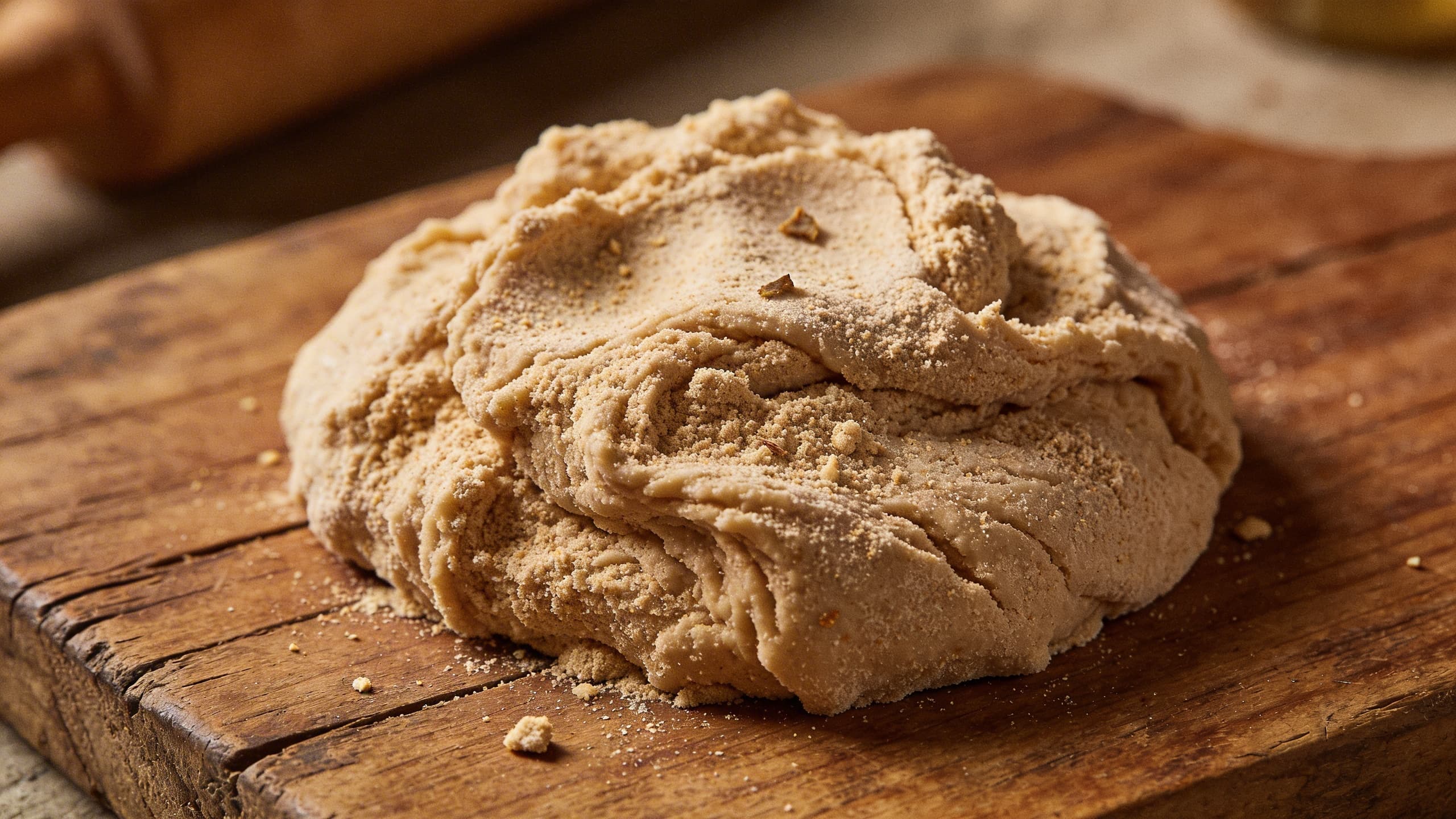
In my early days, I thought "more protein equals better bite." I’d pile up the semolina, add a splash of water, and wonder why my dough looked like a crumbling sandcastle. I was treating it like a standard 00 flour dough, ignoring the fact that semolina is hydrophobic—it takes its sweet time to drink up moisture.
Tip: Semolina requires a higher hydration ratio than 00 flour. If your dough is shedding crumbs after five minutes of kneading, don't just add more water—spray it with a fine mist. This prevents "swamping" the gluten and allows for even absorption.
The Fix: The Slow Hydration Protocol
Start with a 1:2 ratio of water to flour by weight, but keep a spray bottle of room-temperature water handy. You aren't looking for a wet dough; you’re looking for "tacky, not sticky." If it sticks to your palms, you’ve gone too far. If it feels like a pencil eraser, you’re in the gold zone.
Blunder #2: The Over-Kneading Ego Trip
We’ve all been there—thinking that if we just punch the dough for twenty minutes, we’re "developing flavor." With semolina, over-kneading doesn't make it better; it makes it rubbery. You end up with pasta that has the texture of a Goodyear tire rather than a delicate silk ribbon.
Pro Tip: Use the "Windowpane Test." Cut a small piece of dough and stretch it gently. If it tears immediately, the gluten hasn't aligned. If you can see light through it without it snapping, you’ve reached peak elasticity. Stop. Immediately.
The dough whisperer secret isn't in the strength of your hands, but in the patience of your palms. If you fight the dough, the dough always wins.
Blunder #3: The Resting "Shortcut"
This was my biggest sin. I’d finish kneading, see a smooth ball of dough, and immediately start cranking it through the rollers. The result? "Snap-back." The dough would shrink as soon as it left the machine, turning my delicate tagliatelle into thick, gummy worms.
Did You Know? Gluten is like a coiled spring. When you knead, you’re tightening that spring. If you don't let it rest, those proteins stay tense. A minimum 30-minute rest at room temperature (wrapped tightly in plastic) allows the starch to fully hydrate and the gluten to relax.
The Fusion Finish: Elasticity Without the Gummy Aftermath
When we’re talking French-Italian fusion, we often pair this pasta with heavy reductions—think a Barolo-infused beef jus or a rich Beurre Monte. If your dough is gummy, it will absorb the sauce and turn into a mushy mess.
Key Takeaways for the Perfect Batch:
- Temperature Matters: Use lukewarm water (around 100°F). It helps the coarse semolina grains soften faster.
- The Friction Factor: Knead on a wooden surface, not marble. Wood provides the slight "grip" needed to stretch the gluten strands effectively.
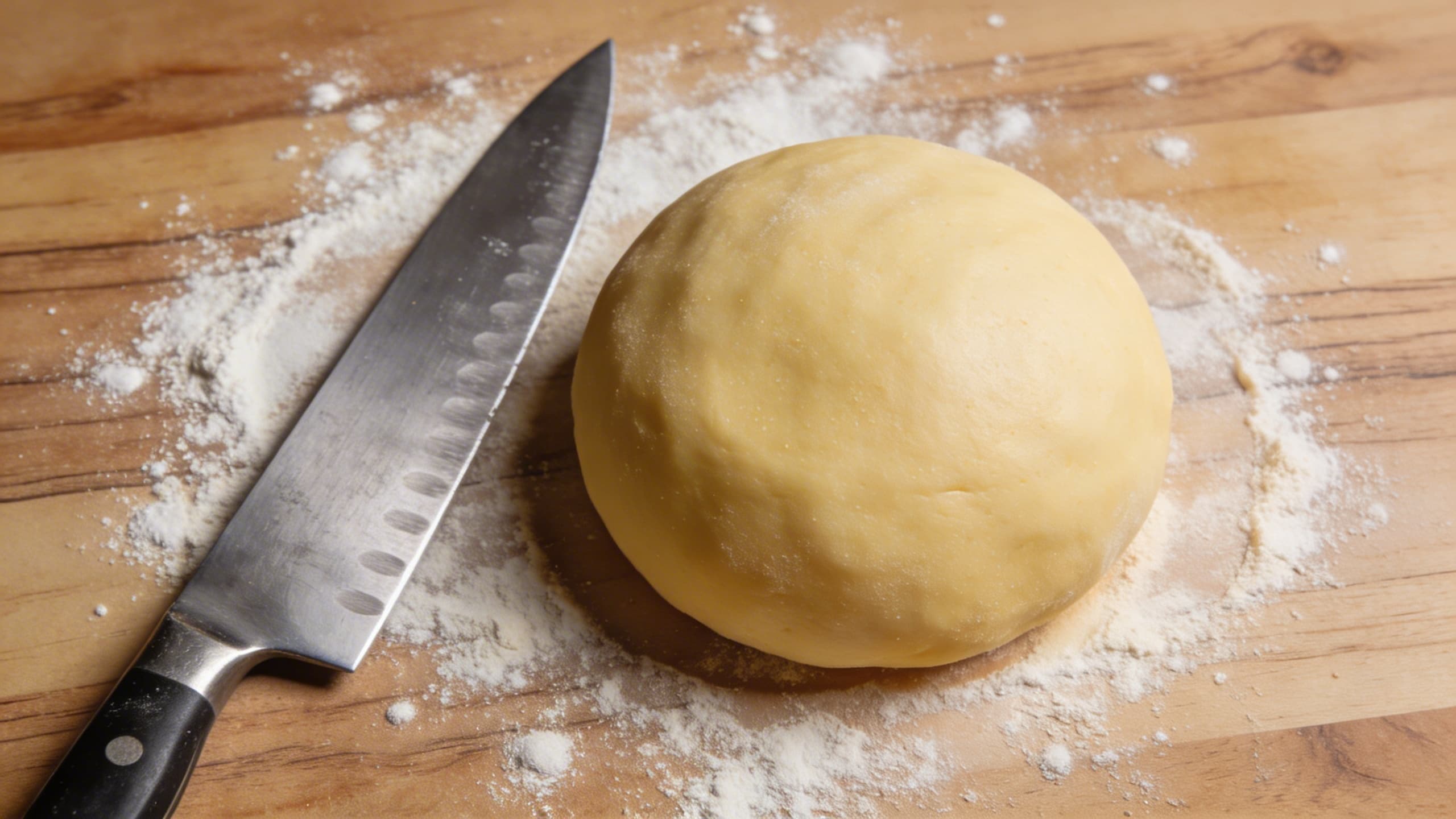
- Visual Cues: Your dough should go from a "shaggy mass" to a "smooth matte finish." If it looks shiny, it’s likely too wet.
Key Takeaway: Precision technique is the foundation, but a sense of humor and a deep smoke ring are the soul of great food. Don't fear the flour dust—embrace the process.
Keep it classy, keep it smoky. And for the love of all things holy, keep your knives sharp.