

The Science of the Sear: 5 Deadly Reverse-Sear Sins and Their Fusion Fixes
Mastering the Art of Low-and-Slow Heat Control

The reverse sear is the holy grail of modern protein cookery. It’s the bridge where my Cordon Bleu training in heat management meets the raw, primal energy of a wood-fired offset smoker. When done right, you get a edge-to-edge pink interior with a crust so dark and gnarly it looks like it was forged in a volcano.
But let’s be real: I’ve seen more "reverse-seared" disasters than I’ve seen clean aprons in a busy service. I’ve had my own share of "learning opportunities" too—like the time a 45-day dry-aged ribeye turned into a very expensive piece of grey leather because I ignored the carryover.
If you want to stop guessing and start dominating the grill, you need to avoid these five deadly sins. Here is how we fix them with a little French-Italian finesse.
1. The "Thin Cut" Trap
Most people try to reverse sear a supermarket steak that’s barely an inch thick. That’s not a steak; that’s a breakfast side. The whole point of the low-and-slow start is to gently raise the internal temperature without overcooking the exterior. On a thin cut, by the time the center hits 105°F, the outside is already parched.
Tip: Always aim for at least 1.5 to 2 inches of thickness. This gives the thermal mass enough time to absorb smoke and develop flavor before the final sear.
The Fusion Fix: If you’re working with something like a thick-cut pork chop, treat it like a Costoletta alla Milanese—but without the breading yet. Smoke it low until it hits 135°F, then hit it with a hard sear in a copper saucier with butter, sage, and a splash of balsamic reduction.
2. Ignoring the Surface Moisture
This is the most common reason people fail to get a "stunning" bark. If your meat is wet when it hits the pan or the coals, the heat has to evaporate that water before it can start the Maillard reaction. You aren't searing; you’re steaming.
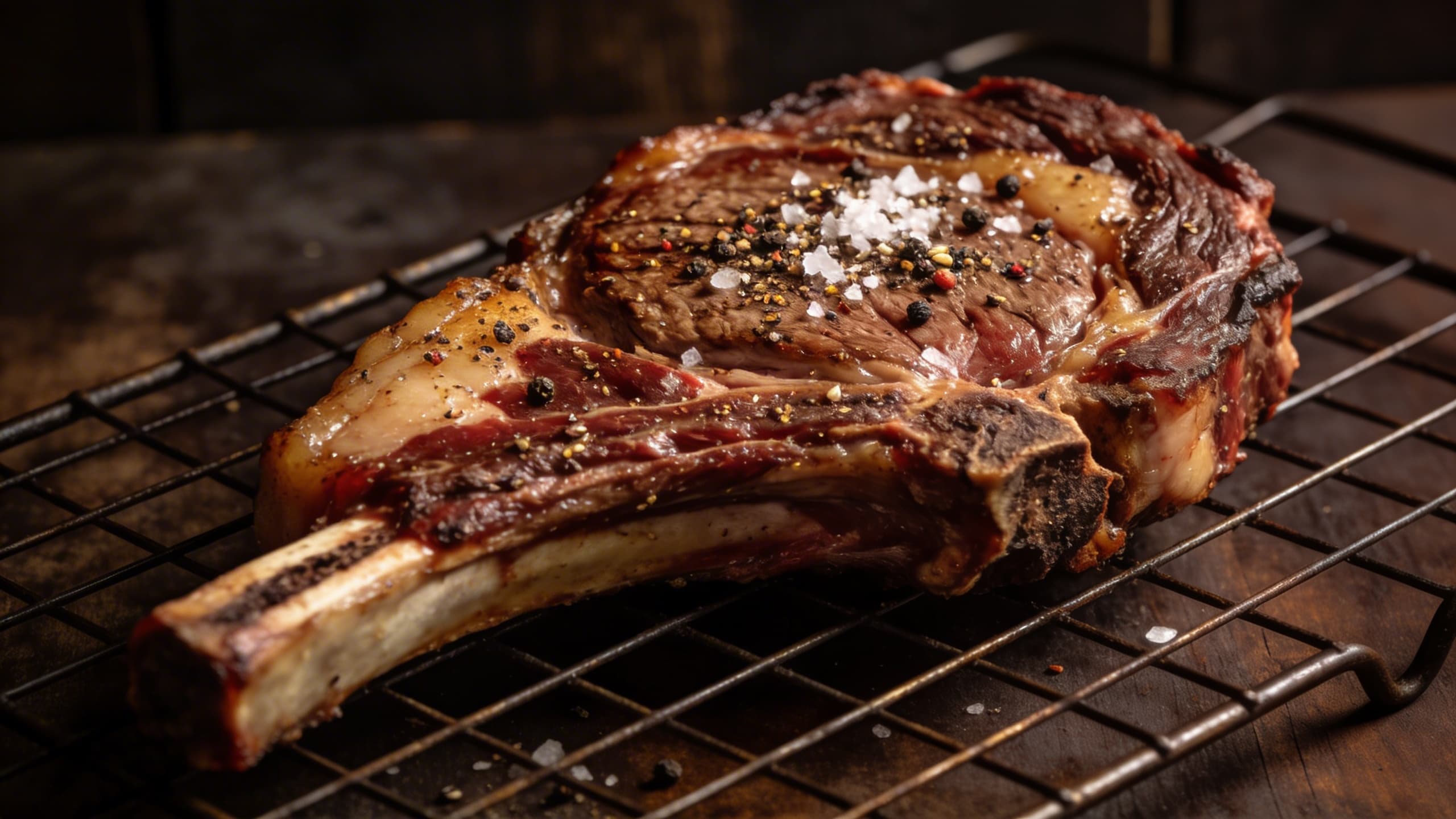
Pro Tip: Salt your meat 24 hours in advance and leave it uncovered on a wire rack in the fridge. This "dry brine" uses the salt to pull moisture out, then back in, eventually drying out the surface for a superior crust.
3. The Carryover Temperature Oversight
This is where most pitmasters lose the war. If you want a perfect 130°F medium-rare, you cannot pull the meat at 130°F. The residual heat from the exterior will continue to cook the center while it rests.
I once pulled a beautiful duck breast at 135°F, thinking I was a genius. By the time I sliced it, it was 148°F—a tragic, grey waste of a perfectly good bird.
The Fusion Fix: For duck breast, pull it at 115°F. The high fat content in the skin holds a massive amount of thermal energy. When you hit that skin side down in a cold pan to render, the heat will carry the meat perfectly to a succulent 130°F.
4. Searing at "Medium-High"
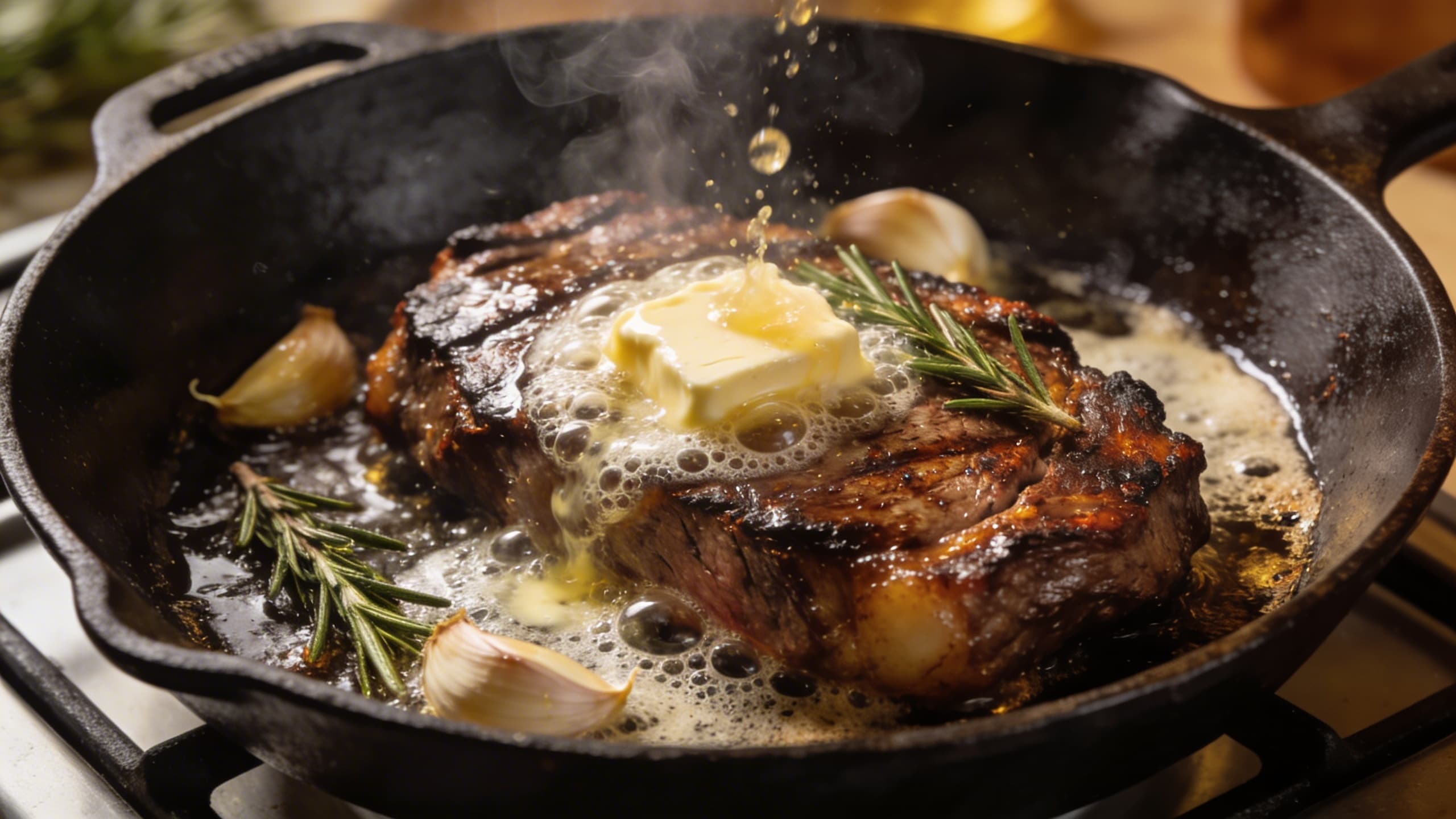
In my kitchen, if the pan isn't screaming, you aren't searing. The goal of the reverse sear is to spend as little time as possible in the high-heat phase. You want to "kiss" the meat with fire, not give it a long hug.
Warning: Using low-smoke-point oils like extra virgin olive oil for the final sear is a recipe for a bitter, acrid crust. Use beef tallow, clarified butter (ghee), or avocado oil.
5. Skipping the "Active Rest"
Traditional wisdom says rest your meat after cooking. In a reverse sear, the most important rest actually happens between the low-temp cook and the high-temp sear. If you go straight from the smoker to the pan, the internal temp will skyrocket.
The Final Verdict on Heat
Mastering the reverse sear isn't just about following a chart; it’s about understanding thermodynamics and having the patience to let the smoke do its job. Whether you're doing a classic American ribeye or a Mediterranean-inspired lamb leg, keep your probes calibrated and your pans hot.
Key Takeaway: The reverse sear is a two-act play. Act one is for flavor and texture (low heat); Act two is for the soul (high heat). Respect both, and the pit will never lie to you.
Keep it classy, keep it smoky.
#bbqtechnique #reversesear #pitmastertips #fusioncooking