

Smoke Without the Drama: 7 Pitfalls I Learned the Hard Way (And Fixes That Saved My Beard)
Hard-won lessons from the intersection of French technique and live-fire BBQ.

Before I was "Chef Big D," I was a guy with a brand-new offset smoker and a lot of unearned confidence. I had just finished my time in a high-pressure French kitchen, where everything was about the precision of a reduction and the viscosity of a mother sauce. I thought, "If I can master a Hollandaise in a rush, how hard can it be to burn some wood and cook a piece of meat?"
The answer, as I learned while standing in my backyard at 3 AM in a cloud of bitter, acrid white smoke, is: very hard.
Smoking meat is the ultimate marriage of thermodynamics and patience. It’s where my Le Cordon Bleu training met the raw, unpredictable reality of live-fire cooking. That first brisket I made? It looked like a lump of coal and tasted like an ashtray. My beard smelled like a campfire for a week, and not in a good way. But those failures were the best teachers I ever had.
Here are the seven pitfalls that nearly broke me, and the fixes that will save your dinner (and your dignity).
1. The "Billowing White Smoke" Trap
The biggest mistake beginners make is thinking that more smoke equals more flavor. In my early days, I’d see a thick, white cloud chugging out of the stack and think, "Yeah, we’re cooking now!"
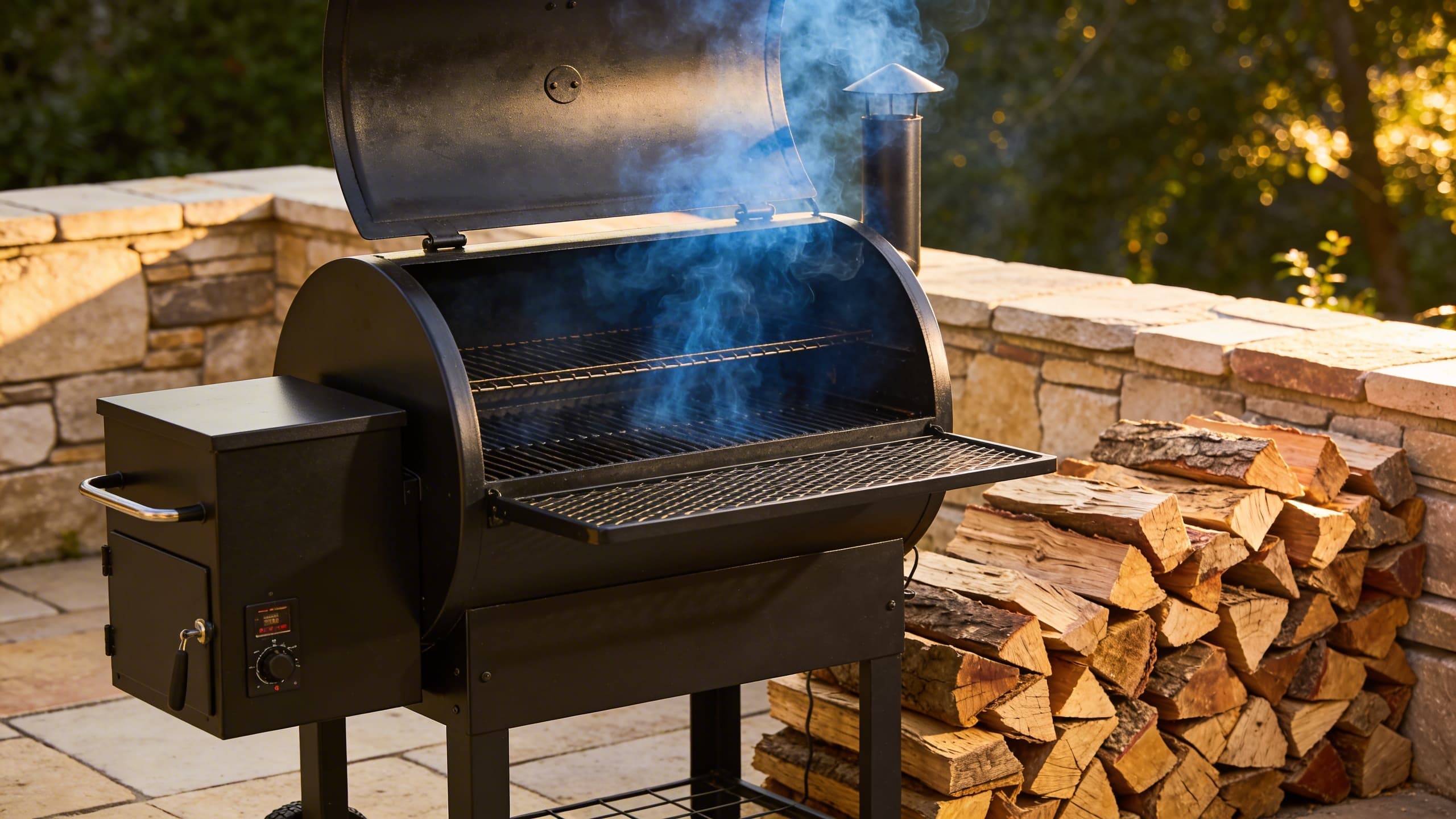
Wrong. That thick white smoke is full of creosote—a bitter, oily byproduct of incomplete combustion. It makes your meat taste like a chimney sweep’s boot.
Tip: You want "thin blue smoke." It should be almost invisible, just a shimmering heat haze with a faint blue tint. This comes from a clean-burning, oxygen-rich fire.
2. The Soaking Wood Myth
I used to follow the old-school advice of soaking wood chunks in water. I thought it would make them last longer and create more "steam-smoke." All it actually does is lower the temperature of your firebox as the water evaporates. You aren't smoking; you're just smoldering wet wood, which leads right back to that nasty white smoke.
Pro Tip: Use seasoned, kiln-dried hardwoods. If your wood is hissing or bubbling at the ends when it hits the fire, it’s too wet. Keep it dry, keep it consistent.
3. The "If You're Lookin', You Ain't Cookin'" Rule
In the French kitchen, we’re taught to constantly baste, stir, and check. In BBQ, that’s a death sentence for your temperature. Every time you open the lid to admire your handiwork, you lose heat and moisture.
I learned this the hard way when a 10-hour cook turned into a 16-hour marathon because I couldn't stop peeking.
Key Takeaway: Trust your probes. Use a high-quality dual-probe thermometer—one for the meat, one for the ambient grill temp. Only open the lid when it’s time to wrap or spritz.
4. Ignoring the "Stall"
About midway through a long cook, the internal temperature of the meat will just... stop. It’s called the stall, and it’s caused by evaporative cooling (the meat "sweating"). The first time this happened to me, I panicked and cranked the heat, which resulted in a dry, tough exterior and an undercooked interior.
Tip: Don't fight the stall; manage it. This is where the "Texas Crutch" (wrapping in butcher paper or foil) comes in. It traps the moisture and helps the meat power through that temperature plateau.
5. The Overpowering Wood Choice
In my "more is better" phase, I used heavy mesquite for everything. Mesquite is the bully of the wood world—it’ll overpower a delicate piece of poultry or pork in minutes.
I once served a "Smoked Chicken" that tasted like a forest fire. My French mentors would have wept.
Pro Tip: Match your wood to your protein. Use fruitwoods (apple, cherry) for poultry and pork. Save the heavy hitters like hickory and oak for beef brisket and ribs.
6. Skipping the Rest
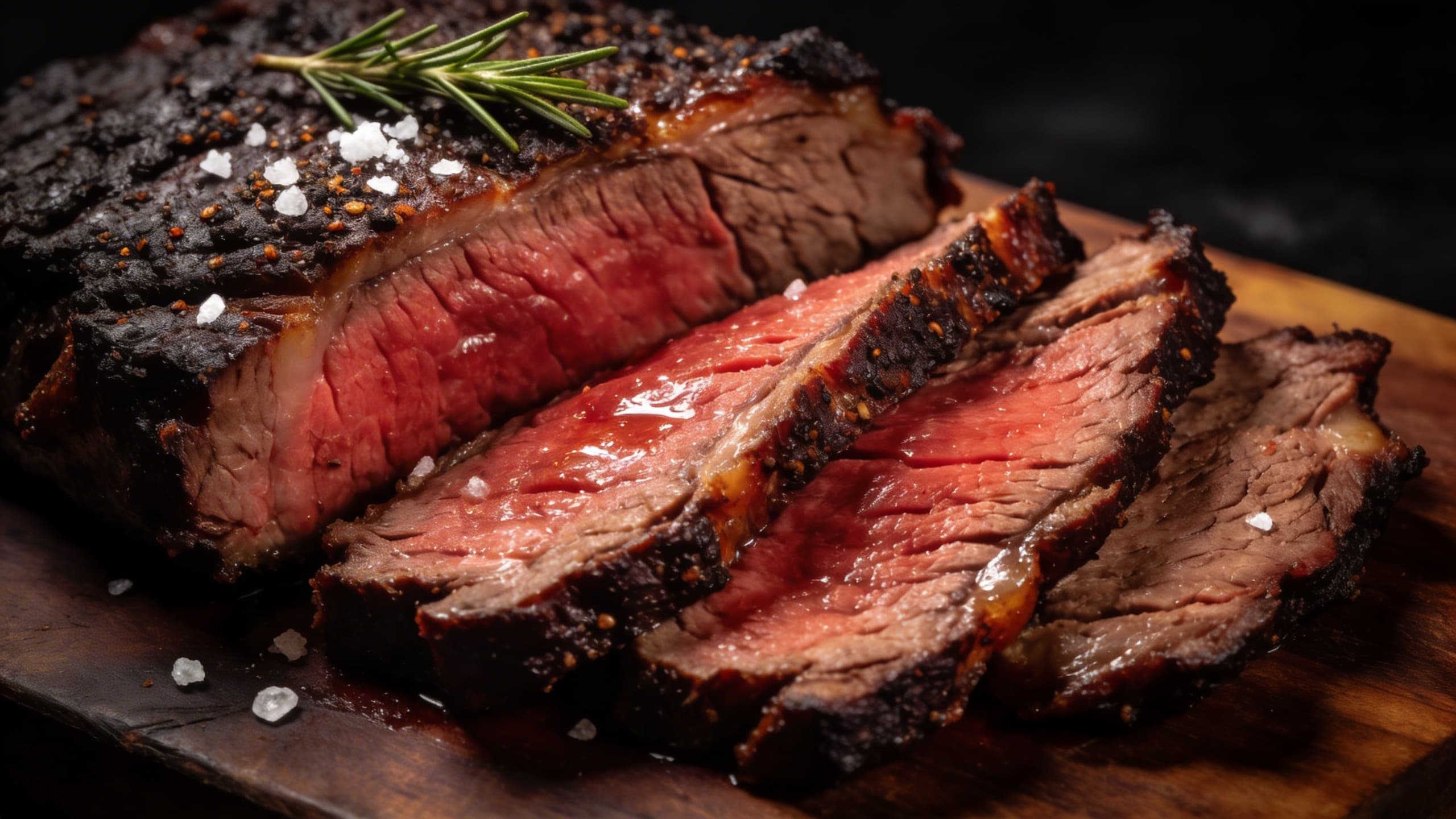
This is the most painful lesson of all. You’ve spent 12 hours monitoring a fire, you’re starving, and the meat finally hits 203°F. You pull it off and slice it immediately. The juices run all over the board, and the meat turns into dry leather in minutes.
Warning: Slicing meat without resting is a culinary crime. A brisket needs at least 1-2 hours in an insulated cooler (the "faux Cambro" technique) to allow those muscle fibers to relax and reabsorb the rendered fats.
7. Dirty Firebox Management
A messy firebox is a dangerous firebox. Ash buildup restricts airflow, making it impossible to maintain a steady temperature. I once let the ash get so high it choked out my fire in the middle of a night cook. I woke up to a cold smoker and a ruined pork butt.
Final Thoughts: The Pitmaster's Philosophy
Great BBQ isn't about the most expensive rig or a secret rub. It’s about understanding the physics of the fire and the biology of the meat. It took me a lot of scorched eyebrows and "disaster plates" to realize that the precision I learned in culinary school actually applies perfectly to the pit—you just have to trade your lab coat for an apron and a beer.
Keep it classy, keep it smoky. And for the love of all things holy, leave the lid closed.
The pit doesn't lie. It rewards patience and punishes ego.
#bbqtips #smokingmeat #pitmaster #cookingschool #backyardbbq