

Smoke Without the Choke: Mastering Subtle Wood Infusions for Veggie Sides in French-Italian Kitchens
Precision Smoke Control for the Modern Fusion Kitchen

The Fractal Geometry of Flavor
Vegetables are the structural marvels of the kitchen. From the intricate florets of a Romanesco to the dense, fibrous heart of an artichoke, these plants offer a surface area that is a pitmaster’s dream—and a novice’s nightmare. While a brisket has a thick fat cap to buffer the heat, a vegetable is essentially a water-filled cellular matrix. If you hit it with too much smoke, it doesn't just taste 'smoky'; it tastes like an ashtray in a dive bar.
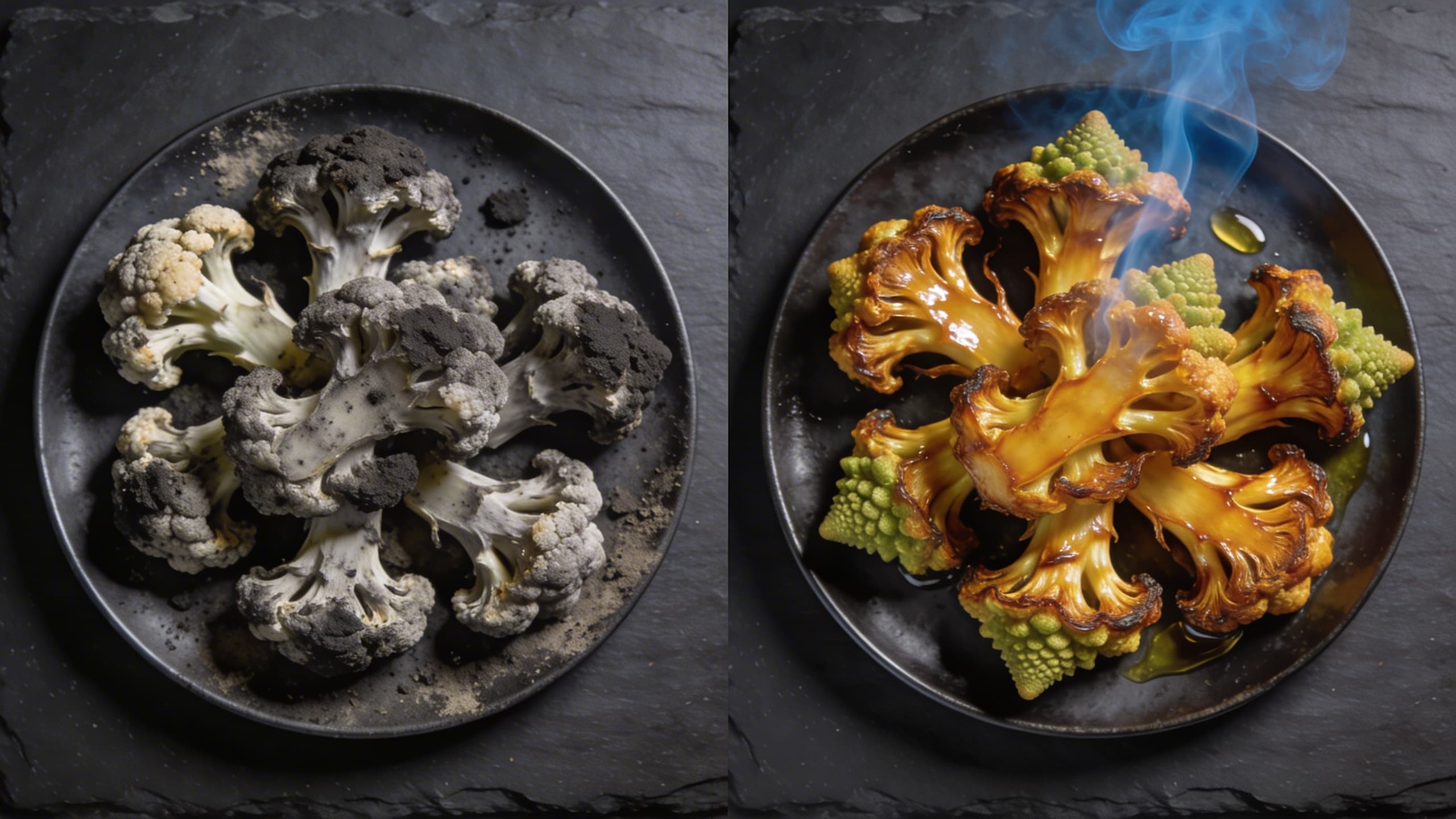
I learned this the hard way during a high-stakes fusion pop-up. I was attempting a 'Smoked Romanesco with Bagna Cauda'—a dish meant to marry the deep, primal essence of the pit with the sharp, salty punch of Piedmont. I got cocky with some damp hickory chunks. The smoker burped a cloud of acrid, 'creosote' smoke just as I opened the door. The resulting flashback didn't just singe my eyebrows into a permanent look of surprise; it turned my beautiful, fractal-patterned vegetables into bitter, black-spotted lumps of charcoal-flavored despair.
Why Vegetables Gulp Smoke (And How to Stop Them)
Vegetables are porous. Unlike meat, which develops a pellicle (a sticky protein layer) to regulate smoke absorption, vegetables absorb volatile organic compounds (VOCs) almost instantly through their skin and exposed surfaces. In a French-Italian context, where we prize the acidity of a reduction or the delicate aroma of cold-pressed olive oil, a heavy smoke profile is a structural failure.
Great fusion isn't about how much flavor you can add; it's about the precision of the balance between the garden and the flame.
4 Actionable Fixes for Subtle Smoke Mastery
If your veggie sides are tasting more like a forest fire than a Michelin-starred side, here is how we recalibrate the process:
1. The 'Clean Fire' Protocol
The biggest mistake is 'dirty smoke'—that thick, billowing white cloud. For vegetables, you want 'blue smoke' (nearly invisible).
- The Tweak: Start your fire 45 minutes before the veggies go in. Wait until the wood is glowing embers or producing a thin, heat-shimmering wisp.
- Step-by-Step: Pre-heat your offset or charcoal grill to 225°F (107°C). Use kiln-dried hardwoods like fruitwood (apple or cherry) which have a higher sugar content and a softer aromatic profile than oak or hickory.
2. The Humidity Buffer
Smoke sticks to moisture. If your vegetables are dripping wet, they will act like a magnet for soot.
- The Tweak: Use an oil-based barrier rather than a water-based marinade.
- Step-by-Step: Toss your vegetables in a high-smoke-point oil (like avocado oil) and a pinch of salt. The oil creates a semi-permeable membrane that allows the flavor molecules to pass through while preventing the surface from becoming a sticky soot trap.
3. The 'Flash-Smoke' Technique
Vegetables don't need 12 hours in the pit. They need a 'kiss' of smoke followed by a precision finish.
- The Tweak: Limit smoke exposure to the first 15-20 minutes of the cook.
- Step-by-Step: Place your veggies in the smoker at a lower temp to absorb flavor, then move them to a high-heat oven or a cast-iron pan to finish the Maillard reaction (browning). This preserves the nutritional integrity of the vitamins while locking in that wood-fired soul.
4. The Acidic Counter-Punch
In Italian cooking, we use 'Agrodolce' (sour-sweet) to balance richness. This is the secret weapon for smoked vegetables.
- The Tweak: Always finish smoked produce with a high-viscosity acid.
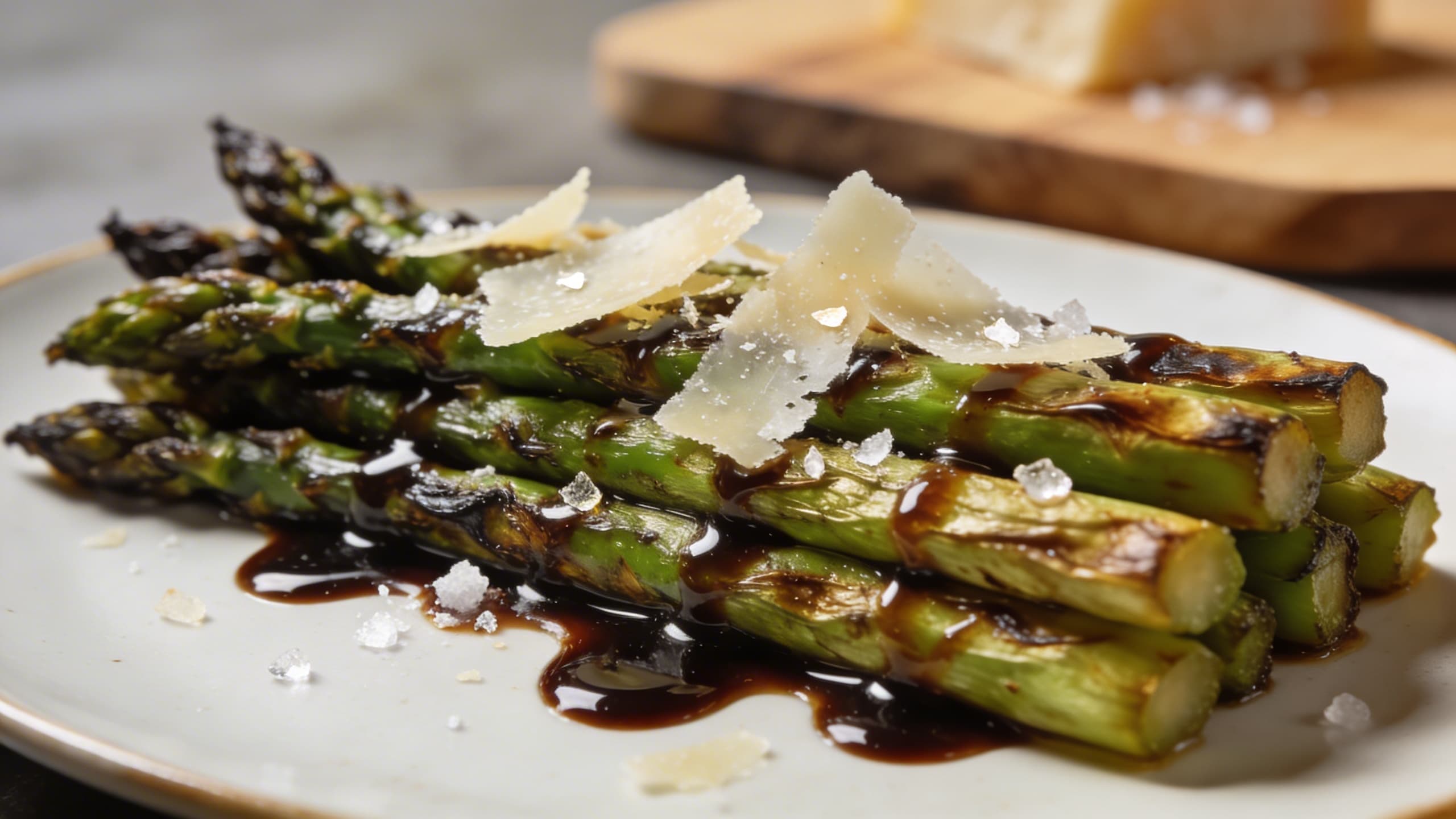
- Step-by-Step: After pulling your veggies from the heat, toss them in a reduction of balsamic vinegar or a squeeze of charred lemon. The acidity cuts through the phenols in the smoke, brightening the entire dish.
The Nutrition Angle: Smoke as a Salt Substitute
Did You Know? Using subtle wood smoke can actually help you reduce sodium intake. The 'umami' depth provided by the smoke mimics the savory satisfaction of salt, allowing you to season more lightly without sacrificing the sensory experience.
Final Thoughts on the Pit-to-Table Philosophy
Mastering the smoke ring on a vegetable requires more than just fire—it requires an understanding of thermodynamics and a respect for the ingredient's natural geometry. Don't let a heavy hand with the wood chunks ruin a stunning piece of produce. Keep your fire clean, your oil light, and your acid sharp.
Key Takeaway: Treat wood like a seasoning, not a fuel. For French-Italian fusion, the goal is a 'whisper' of the woods, not a shout from the chimney.
Keep it classy, keep it smoky. (But watch those eyebrows.)