

Smoke & Sour: 4 Techniques to Balance Acidity in Fusion BBQ
Mastering the delicate balance of hardwood and pH levels.

Let’s have a moment of professional honesty: smoke is a jealous lover. It doesn’t want to share the spotlight, and if you give it too much rope, it’ll wrap itself around your palate and refuse to let go until you’re tasting campfire for three days. I learned this the hard way during what I now call "The Great Balsamic Brisket Catastrophe."
I was attempting a French-Italian-BBQ triple threat—a prime brisket, cold-smoked for twelve hours, intended to be finished with a heavy red wine reduction and a 25-year-old traditional balsamic. In my youthful arrogance, I thought more smoke meant more "soul." What I actually produced was a piece of meat that tasted like a burnt tire dipped in battery acid. The smoke was so aggressive it turned the acidity of the vinegar into something metallic and hostile. My kitchen staff didn't even laugh; they just looked at me with the kind of pity usually reserved for people who drop a full tray of crystal stemware.
But that failure was the catalyst for my obsession with Acid-Smoke Harmony. In the world of French-Italian fusion, where we rely on bright citrus, sharp vinegars, and fermented notes, the interaction with hardwood smoke is a high-stakes game of thermodynamics and chemistry.
1. The "Post-Smoke" Brightness Rule
One of the biggest mistakes is integrating your acid too early in the process. When you smoke a protein, the surface develops a "bark" or pellicle. If you marinate in high-acid environments (like a heavy lemon or vinegar base) before a long smoke, the acid denatures the proteins too much, leading to a mushy texture that traps bitter smoke particles.
Tip: Always apply your primary acidic component after the smoke has set. Whether it’s a squeeze of charred lemon or a dash of high-quality champagne vinegar, adding it at the end allows the acid to cut through the heavy lipids (fats) without becoming chemically altered by the heat and smoke.
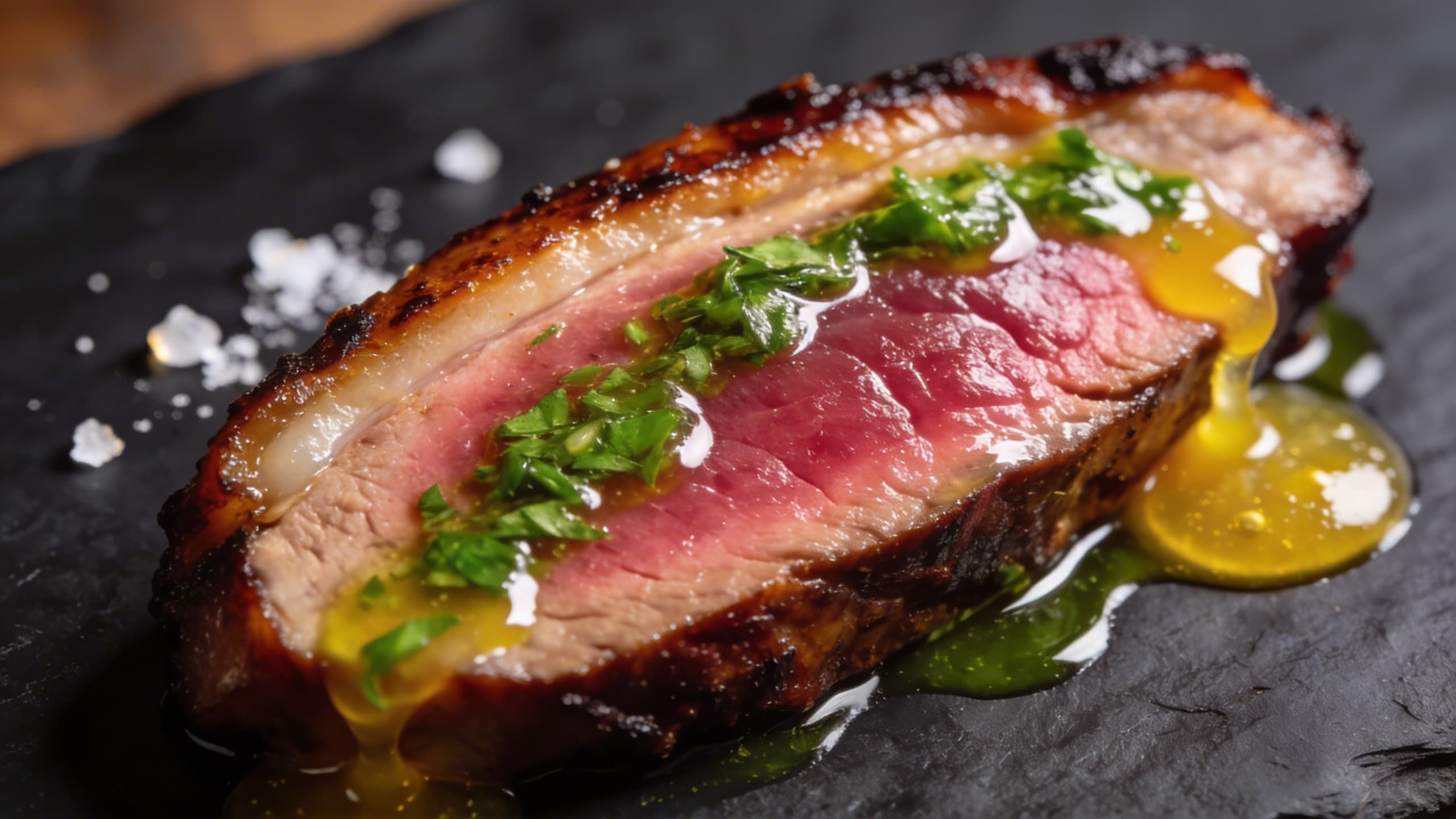
2. Emulsified Acids: The Butter Buffer
In French cooking, we love an emulsion. In BBQ, we love fat. When you’re dealing with a heavily smoked piece of meat—say, a cherry-wood smoked duck breast—a straight vinegar gastrique can feel too sharp.
The secret is to use cold butter to "mount" your acidic sauces (Beurre Blanc style). The milk solids in the butter act as a molecular buffer, softening the "punch" of the acid so it dances with the smoke rather than fighting it.
Pro Tip: If your smoked dish tastes "dirty" or too ashy, whisk in a tablespoon of cold, unsalted butter. The fat coats the tongue, neutralizing the bitter ash notes while letting the brightness of the acid shine through.
3. The Italian "Agrodolce" Strategy
Italian cuisine mastered the balance of sour and sweet (Agrodolce) centuries ago. When applying this to BBQ, the sugar isn't just for sweetness—it’s a stabilizer.
When you smoke something, you’re adding phenols and guaiacol (the compounds that give smoke its flavor). These are naturally bitter. To balance them, you need a "triad" of flavor: Smoke + Acid + Sugar. If you skip the sugar, the acid just amplifies the smoke’s bitterness.
- The Ratio: 2 parts acid (Red wine vinegar or Verjus).
- The Sweetener: 1 part honey or reduced grape must.
- The Application: Glaze during the last 15 minutes of cooking to create a tacky, bright lacquer.
Great cooking is about the structural integrity of flavor—smoke provides the foundation, but acidity provides the light.
4. The Science of the "Mop"
If you’ve watched any Memphis-style pitmaster, you’ve seen the mop. For fusion cooking, we replace the standard vinegar-water mop with a Citrus-Herb Infusion.
As the meat smokes, the surface dries out. By "mopping" with a liquid that has a pH of around 3 or 4 (think diluted lemon juice or a dry Pinot Grigio), you’re keeping the surface moist, which allows the smoke to penetrate more evenly without becoming acrid.
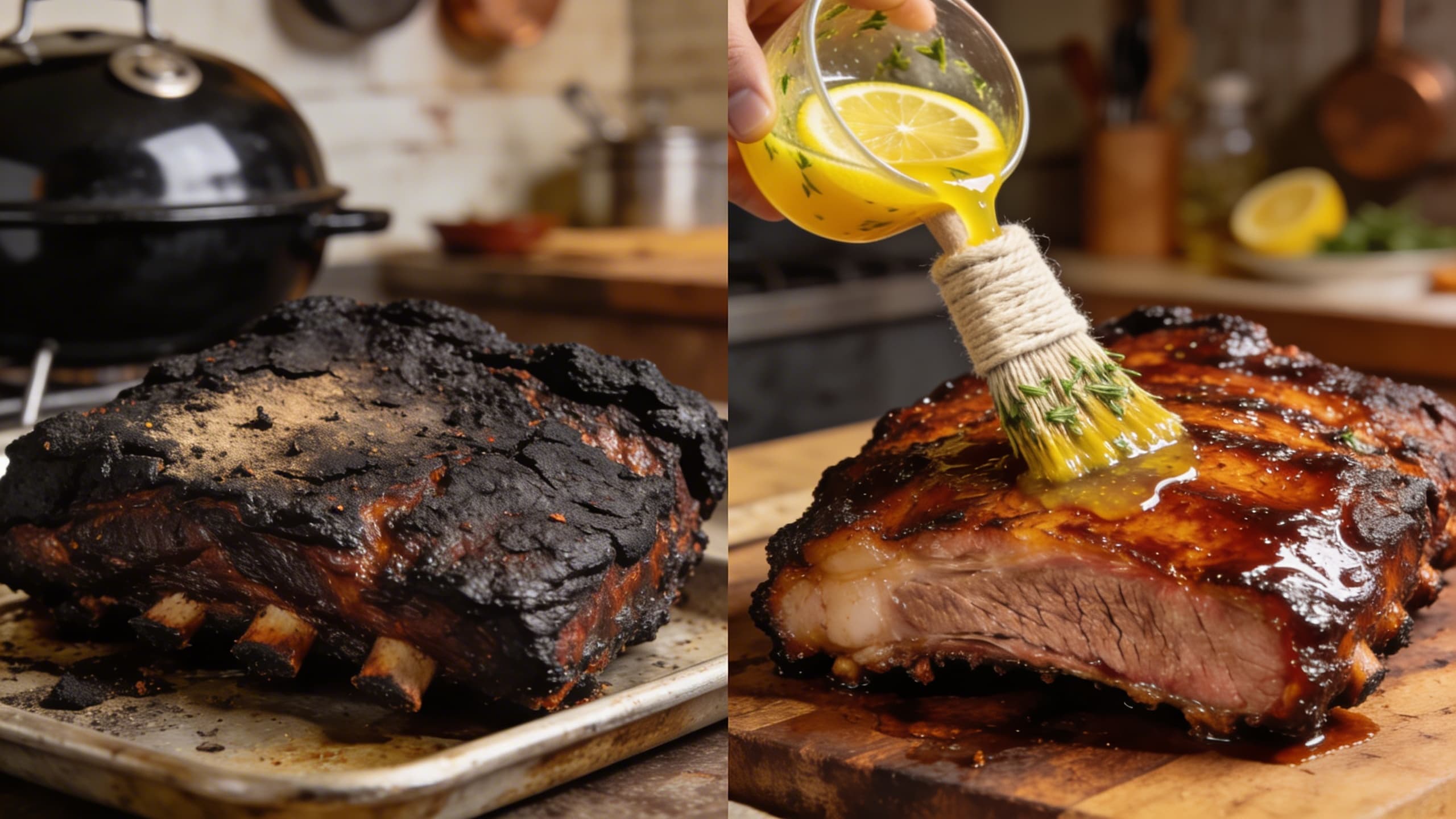
Key Takeaway: Smoke is a base note; acidity is a high note. To prevent your fusion dishes from sounding like a culinary train wreck, always buffer your acids with fats, apply them late, and never underestimate the power of a little residual sugar to bridge the gap.
Keep it classy, keep it smoky. And for the love of all things holy, leave the liquid smoke in the pantry where it belongs.