

Mise en Place Mastery: 7 Hacks for High-Pressure Fusion Cooking
How to organize your kitchen like a Michelin-starred station.

The scar running through my left eyebrow isn't from a glamorous kitchen duel or a heroic save during a dinner rush. It’s from a runaway copper saucier and a complete lack of organization during a 300-cover night where I thought I could "wing it" between a French veal stock reduction and a massive batch of Italian soffritto.
That night, the viscosity of my stock was perfect, but my mental state was a liquid mess. In the world of French-Italian fusion, where you’re balancing the high-acid punch of a tomato reduction with the silky, heavy-cream foundations of a classic mother sauce, your station isn't just a table—it’s a dashboard. If the dashboard is cluttered, you’re going to crash.
Mise en place isn't just "putting in place" your onions and garlic; it’s about managing the cognitive load of high-end cooking. Here is how we bridge the gap between backyard smoke and Michelin-level precision without losing our sanity (or our eyebrows).
1. The "Zone" Defense: Segmenting Your Station
In a professional kitchen, we don't just chop; we stage. When you're juggling a 48-hour bone broth and a delicate hand-rolled pappardelle, your counter needs to be divided into three distinct zones: The Raw Zone, The Action Zone, and The Finalization Zone.
- The Raw Zone: Where whole vegetables and proteins live before the knife touches them.
- The Action Zone: Your board. This should be clear of everything except the item you are currently processing.
- The Finalization Zone: Where your prep bowls (diced aromatics, measured spices) wait for the heat.
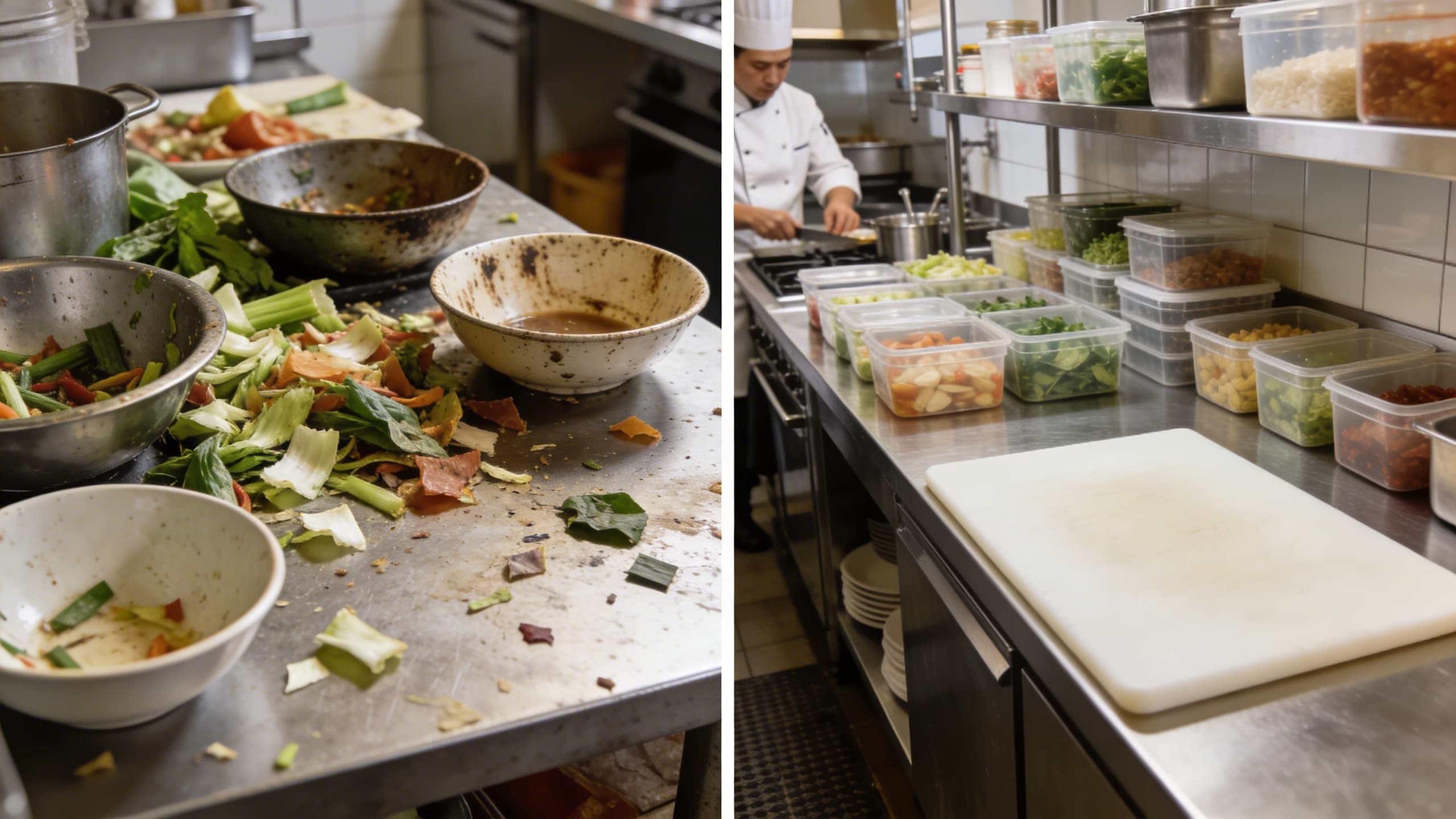
Tip: Use "bench scrapers" instead of your knife to move food. It saves your blade’s edge and keeps your Action Zone clear of debris in seconds.
2. The Soffritto vs. Mirepoix Workflow
One is the soul of Italian braises; the other is the skeleton of French sauces. They both require precision dicing, but they have different "burn rates."
- French Mirepoix: (Onion, Celery, Carrot) – Usually 2:1:1 ratio.
- Italian Soffritto: Often includes garlic, parsley, or even pancetta, minced much finer for a "melt-in-your-mouth" texture.
The Hack: Prep them in bulk and store them in flat-layered freezer bags. When you need that hit of flavor for a quick weekday reduction, you can snap off a frozen shard of aromatics and drop it straight into the hot fat.
3. Managing "Heavy" Viscosity and Macros
Since we're talking nutrition, let's address the elephant in the room: the butter. In French-Italian fusion, we love fats for their mouthfeel, but precision means knowing when to use them.
Great cooking is about technique, not complexity. If your mise en place is tight, your macros will be too.
By measuring your fats (duck fat, olive oil, butter) into small ramekins during your prep phase, you avoid the "glug-glug" method of seasoning. This ensures your 48-hour short rib doesn't turn into a caloric bomb, but remains a balanced, high-protein masterpiece.
Did You Know? A "tablespoon" of oil poured directly from the bottle is almost always closer to two tablespoons. Pre-measuring during mise en place can save you 120-240 calories per meal without changing the recipe.
4. The "Dry Sink" Strategy
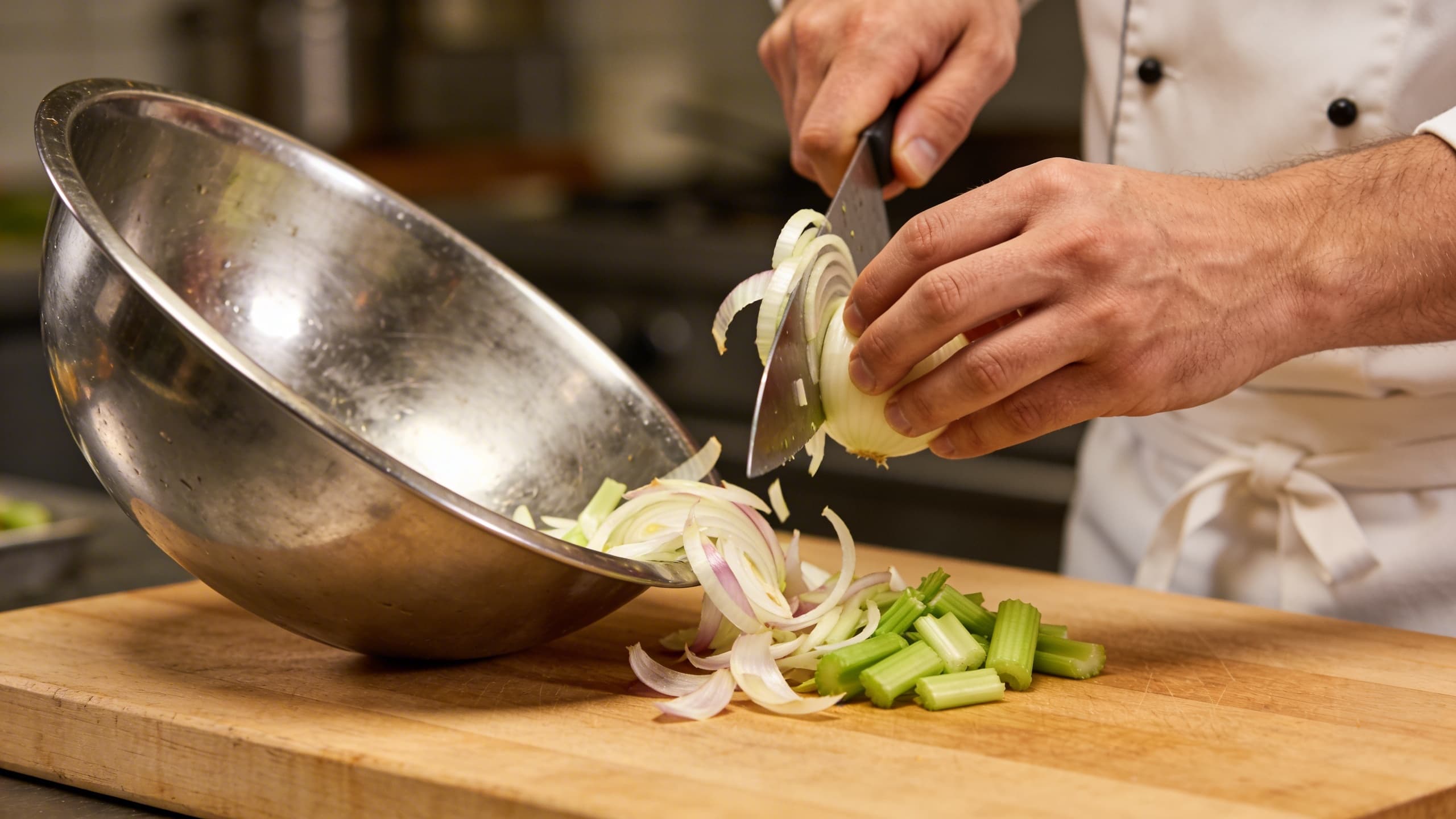
Professional chefs rarely use the actual sink during service. We use a "dry sink"—a large bowl or a dedicated bin on the counter for scraps.
Why it works: Every time you walk to the trash can or lean over the sink, you break your rhythm. Keeping a scrap bowl at 10 o'clock on your cutting board keeps your eyes on the knife and your feet planted. Those scraps? They go into the stock pot. Nothing is wasted.
5. The Mother Sauce Shortcut: Base Reductions
If you want to cook like a pro, stop making sauces from scratch every single time. Spend your Sunday creating a "Base Reduction"—a highly concentrated stock simmered down until it coats the back of a spoon.
Pro Tip: Freeze your concentrated stocks in silicone ice cube trays. One cube equals a massive punch of umami and collagen for any pan sauce. It’s the ultimate time-saver for maintaining that Michelin-level viscosity on a Tuesday night.
6. The "Clean as You Go" Mythos
If you have time to lean, you have time to clean. But the real hack isn't just washing dishes; it's resetting the board.
After every ingredient is prepped, wipe your board with a damp cloth. A clean board resets your brain. It prevents cross-contamination (vital if you're balancing a carnivore-adjacent protein with delicate herbs) and keeps the "clutter-stress" from rising.
7. The Checklist: Your Pre-Flight Routine
Before the flame touches the pan, run this checklist:
- Is the protein tempered? (Room temp meat sears better).
- Are the aromatics grouped by "drop time"? (Onions first, garlic last).
- Is the "landing zone" ready? (Trivets or plates for the finished food).
- Is the Thermapen within reach?
Key Takeaway: Mise en place is the difference between being a cook and being a chef. It allows you to focus on the nuance of the sear and the acidity of the deglaze, rather than hunting for a spatula while your garlic burns.
Keep it classy, keep it smoky, and for the love of all things holy, keep your station clean. Your eyebrows will thank you.
#kitchenhacks #miseenplace #procheftips #culinarytechnique