

5 Sneaky Saboteurs Ruining Your Pan Sauces—and My Dead-Simple Fixes for Glossy, Flavor-Bomb Results Every Time
Mastering the Saucier's Art: From Broken Emulsions to Glossy Perfection

The difference between a "sad, watery puddle" and a "glossy, Michelin-worthy reduction" often comes down to about sixty seconds and a healthy respect for physics. Most home cooks treat pan sauces like a frantic afterthought, but in my kitchen, they are the bridge where the rugged soul of a smoke-kissed protein meets the refined elegance of a French reduction.
I’ve seen it all: sauces that look like broken oil slicks, reductions so salty they’d pickle a boot, and the dreaded "gray sludge" that happens when you panic and dump in too much flour. But don't worry—I’ve got the scars so you don't have to. We’re going to look at the gear and the techniques that actually matter, because if your pan can't hold a steady simmer, your sauce is doomed before the wine even hits the metal.
1. The Fond-ly Remembered Mistake: Cleaning Too Early
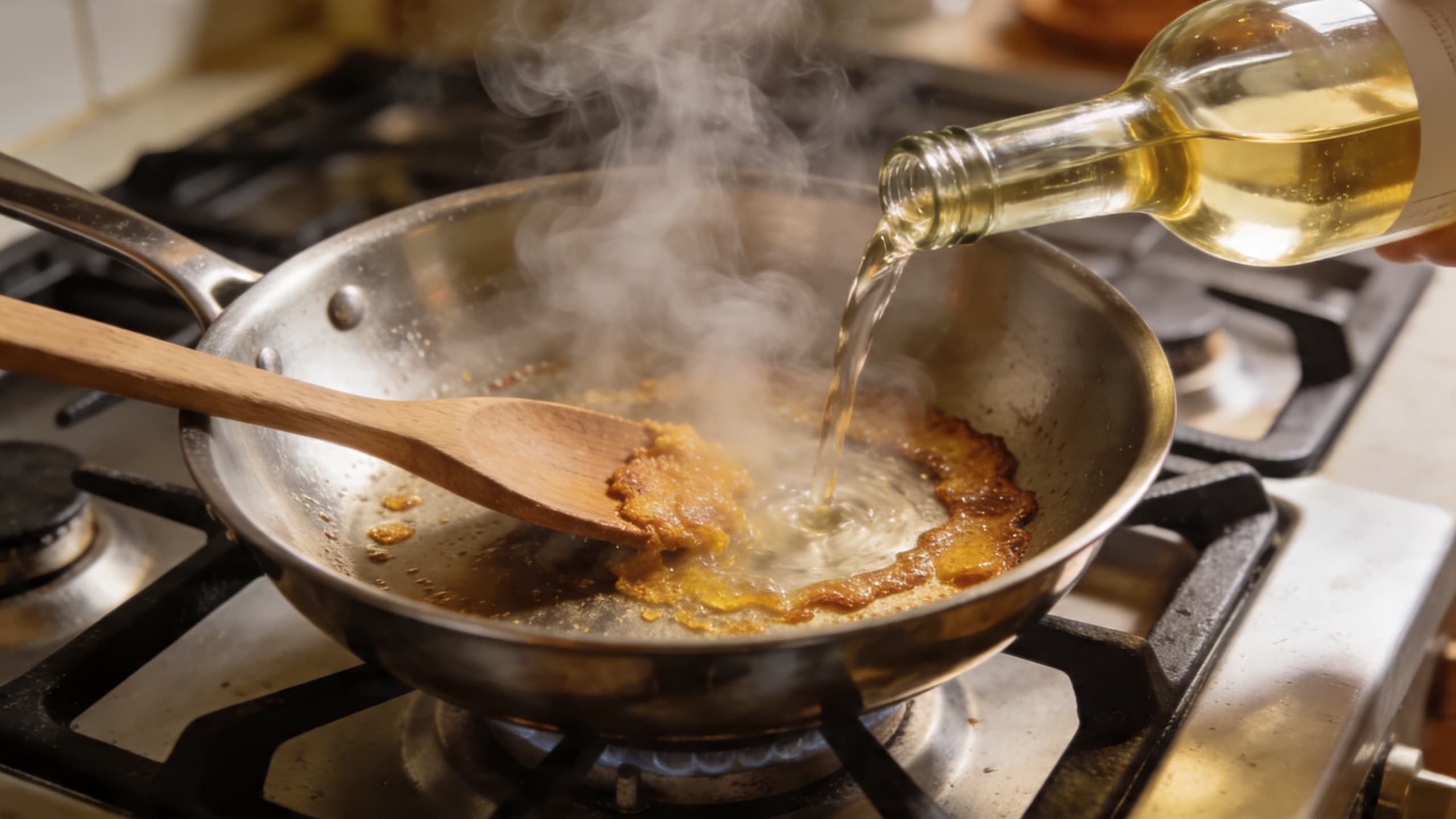
The most common sin? Washing away the gold. Those brown, crusty bits stuck to the bottom of your skillet after searing a steak or a piece of chicken aren't "burnt"—that’s fond. It’s the concentrated essence of Maillard reaction magic.
Did You Know? The word "fond" is French for "base" or "foundation." Without it, you aren't making a pan sauce; you're just making warm juice.
If you’re using a non-stick pan, you’re already at a disadvantage. For a real sauce, you need stainless steel or cast iron. I personally swear by a heavy-bottomed copper-core saucier. It responds to temperature changes with the precision of a Swiss watch, which is critical when you’re moving from a high-heat sear to a delicate emulsion.
2. Thermal Shock and the Deglazing Disaster
I’ve seen cooks pull a steak at 500°F and immediately dump a cup of ice-cold wine into the pan. CRACK. If you’re lucky, you just warped your pan; if you’re unlucky, you just created a steam bomb that’ll take out your eyebrows.
The Fix: Lower the heat. Let the pan breathe for 30–60 seconds after removing the meat. When you add your liquid—be it wine, stock, or verjus—pour it in slowly while scraping the bottom with a wooden spoon or a high-heat whisk. This is the moment of truth where the fond becomes the soul of the sauce.
3. The Reduction Trap: Patience vs. Salt
A pan sauce is an exercise in concentration. You want to reduce the liquid until it has "viscosity"—that beautiful, lip-smacking thickness. However, if you seasoned your meat like a salt-mine worker before searing, your fond is already salty. If you reduce that liquid by half, you’ve just doubled the salt concentration.
Pro Tip: Always use low-sodium stock for pan sauces. You can always add salt at the end, but you can’t take it out once it’s reduced. If you find yourself in a salt-bomb situation, a splash of heavy cream or a squeeze of lemon can help mask the intensity, but it won't fix the chemistry.
4. The Broken Dream: Emulsification Failure
This is where the "French-Italian Fusion" really happens. We’re taking that acidic French reduction and mounting it with cold fat—monter au beurre. The mistake? Adding the butter while the sauce is at a rolling boil. High heat breaks the emulsion, leaving you with a layer of yellow oil floating on top of purple wine water.
A sauce is a delicate marriage of fat and water; if you turn up the heat too high, they’re going to get a divorce.
The Fix: Kill the heat entirely. Toss in cold cubes of butter and whisk constantly. The cold butter melts slowly, allowing the milk solids to act as an emulsifier, binding the fat to the reduction for that stunning, glossy finish.
5. The "Thin" Problem: Avoiding the Slurry
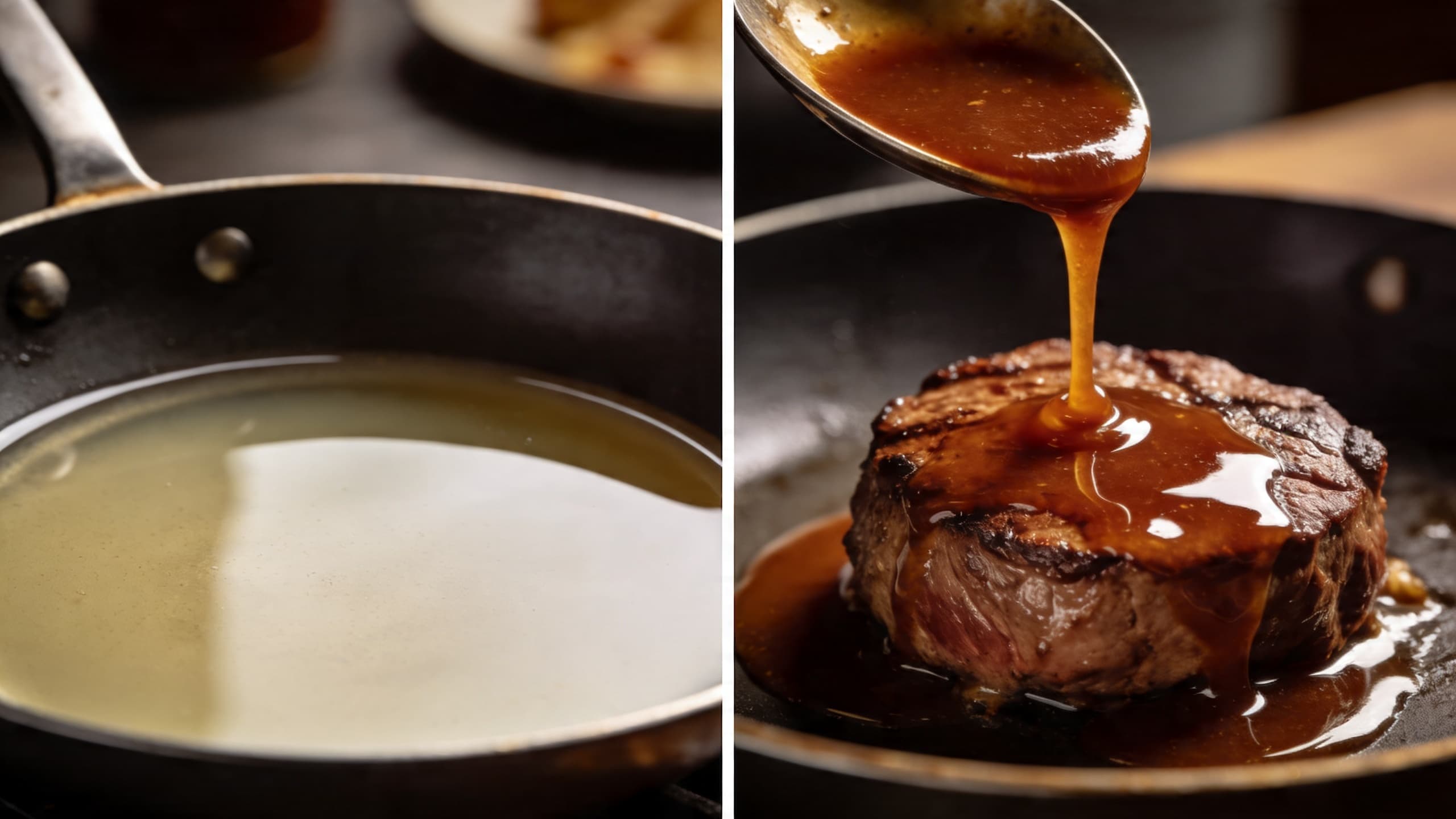
If your sauce looks more like soup than silk, don't reach for the cornstarch. Cornstarch creates a "gloopy" texture that feels industrial. Instead, look at your reduction. Did you reduce it enough? It should coat the back of a spoon (the "nappe" stage).
If you’re doing a BBQ-fusion sauce, this is where I might whisk in a teaspoon of cold-smoked bone marrow or a reduction of balsamic and espresso. It adds body and a layer of complexity that flour-based thickeners just can't touch.
The Gear Check: Is Your Saucier Worth It?
If you're serious about sauce work, you need a pan with curved sides. A traditional sauté pan has 90-degree angles where whisking becomes a nightmare. A saucier allows your whisk to reach every millimeter of the surface, ensuring no burnt bits ruin your reduction.
Key Takeaway: Invest in a 2-quart stainless steel saucier. It’s the single most important tool for anyone moving from "home cook" to "saucier."
Keep it classy, keep it smoky, and for the love of all things culinary, stop washing your pans before you make the sauce. Your taste buds will thank you.
#pansauce #culinarytechnique #frenchcuisine #chefskills #fusioncooking