

5 Sneaky Saboteurs in Home Pasta Dough and How to Banish Them for Pillowy Perfection
From Grain to Greatness: Why Your Fresh Pasta is Failing and How to Fix It

The hum of a high-end offset smoker is a symphony, but the rhythmic thwack of pasta dough hitting a wooden board? That’s the percussion that keeps a kitchen’s heart beating. I’ve spent years bridging the gap between the primal intensity of live-fire BBQ and the delicate, almost mathematical precision of French-Italian fusion. But let’s be honest: before I was pulling Michelin-star plates, I was producing "pasta" that had the structural integrity of a wet eraser and the flavor profile of a cardboard box.
In the spirit of a true review, I’ve put the most common grocery store flour brands and home techniques through the ringer. We’re not just talking about recipes; we’re talking about the thermodynamics of gluten and the moisture-wicking properties of your countertop. If your home-rolled fettuccine feels more like a punishment than a privilege, you’re likely falling victim to one of these five sneaky saboteurs.
1. The "Flour is Flour" Fallacy: A Brand Showdown
Most home cooks grab whatever all-purpose flour is on sale. I’ve reviewed everything from the generic store brand to the high-end imported "00." The truth? Protein content is your best friend and your worst enemy.
Store-brand AP flour often has a fluctuating protein percentage that can turn your dough into a rubber band or a crumbly mess. When I’m testing for that perfect silkiness, I look for a consistent 11-12% protein.
Pro Tip: If you’re using a standard grocery store brand, blend it 50/50 with Semolina flour. The coarse texture of the semolina acts like a structural scaffold, giving your pasta that "bite-through" resistance (the al dente snap) that pure AP flour struggles to achieve.
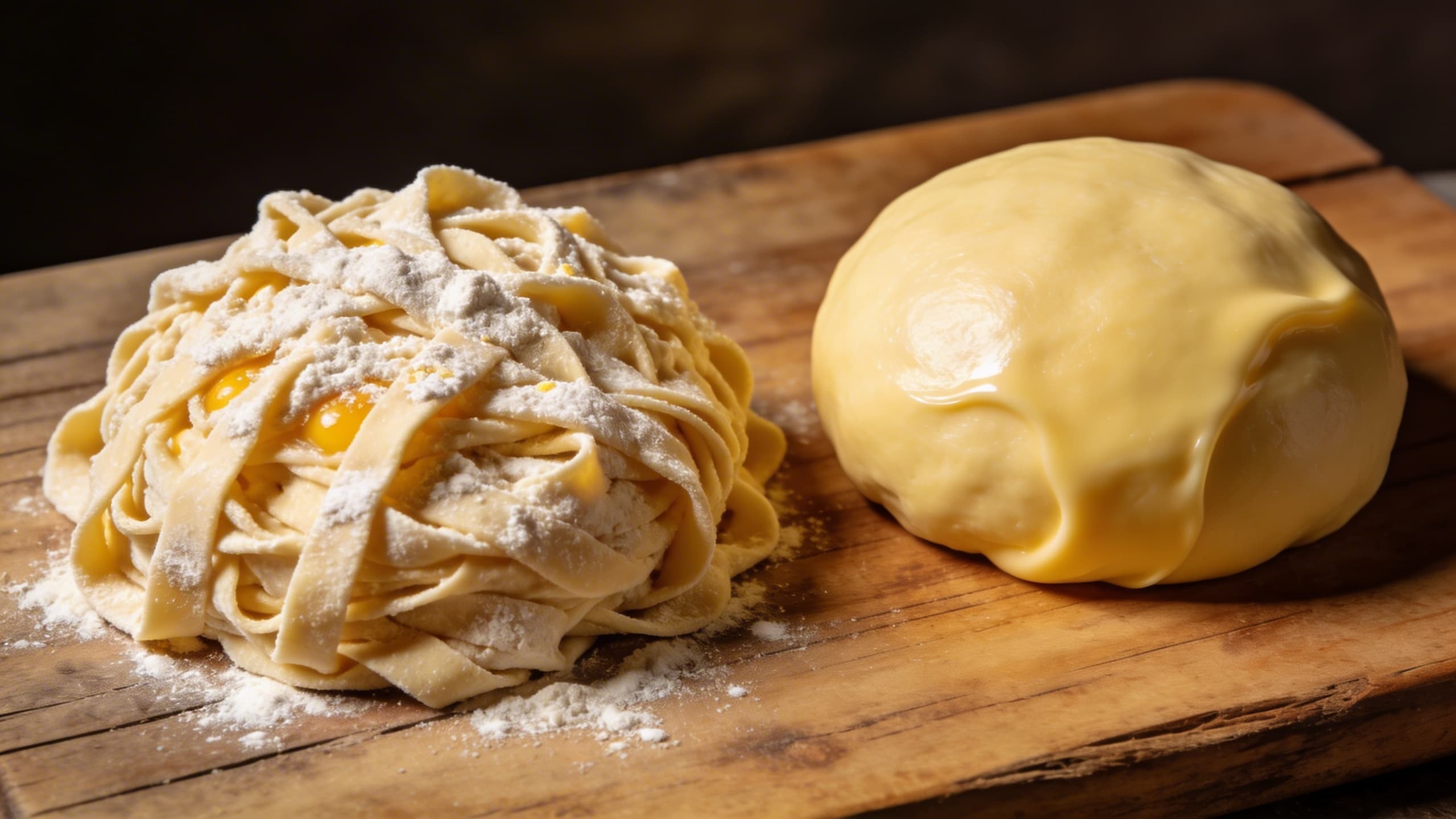
2. The Hydration Hysteria
In the BBQ world, we talk about moisture stalls. In pasta, we talk about hydration percentages. The biggest mistake? Adding water the second the dough feels dry.
I remember a service in a cramped kitchen where I panicked and kept splashing water into my well. The result was a sticky, glutenous nightmare that wouldn't pass through the rollers.
Did You Know? Flour is hygroscopic—it absorbs moisture from the air. A humid Tuesday in July requires less egg than a bone-dry morning in January.
The Fix: Use a spray bottle. If your dough is "shaggy" and won't come together after 5 minutes of kneading, give it two mists of room-temperature water. It’s about incremental adjustments, not a flood.
3. The Kneading Neglect
You can’t rush the chemistry. Kneading isn't just mixing; it’s an architectural feat. You are physically aligning gluten proteins into long, elastic sheets. Most home cooks stop three minutes in because their forearms are screaming.
Great cooking is about technique, not complexity. If your dough doesn't bounce back when poked, you aren't done.
If you don't develop that network, your pasta will disintegrate in the boiling water, leaving you with a bowl of starchy mush instead of elegant ribbons.
4. The Restless Dough Syndrome
This is the most common "saboteur" I see. You’ve kneaded it, it looks beautiful, and you want to roll it out immediately. Don't.
When you knead dough, the gluten is "tight" and angry. If you try to roll it now, it will snap back like a bungee cord. I’ve seen cooks get so frustrated they end up over-flouring the board just to keep the dough from shrinking, which results in a dry, chalky finished product.
Tip: Wrap your dough tightly in plastic wrap (no air!) and let it sit at room temperature for at least 30 minutes. An hour is better. This allows the flour to fully hydrate and the gluten to relax.
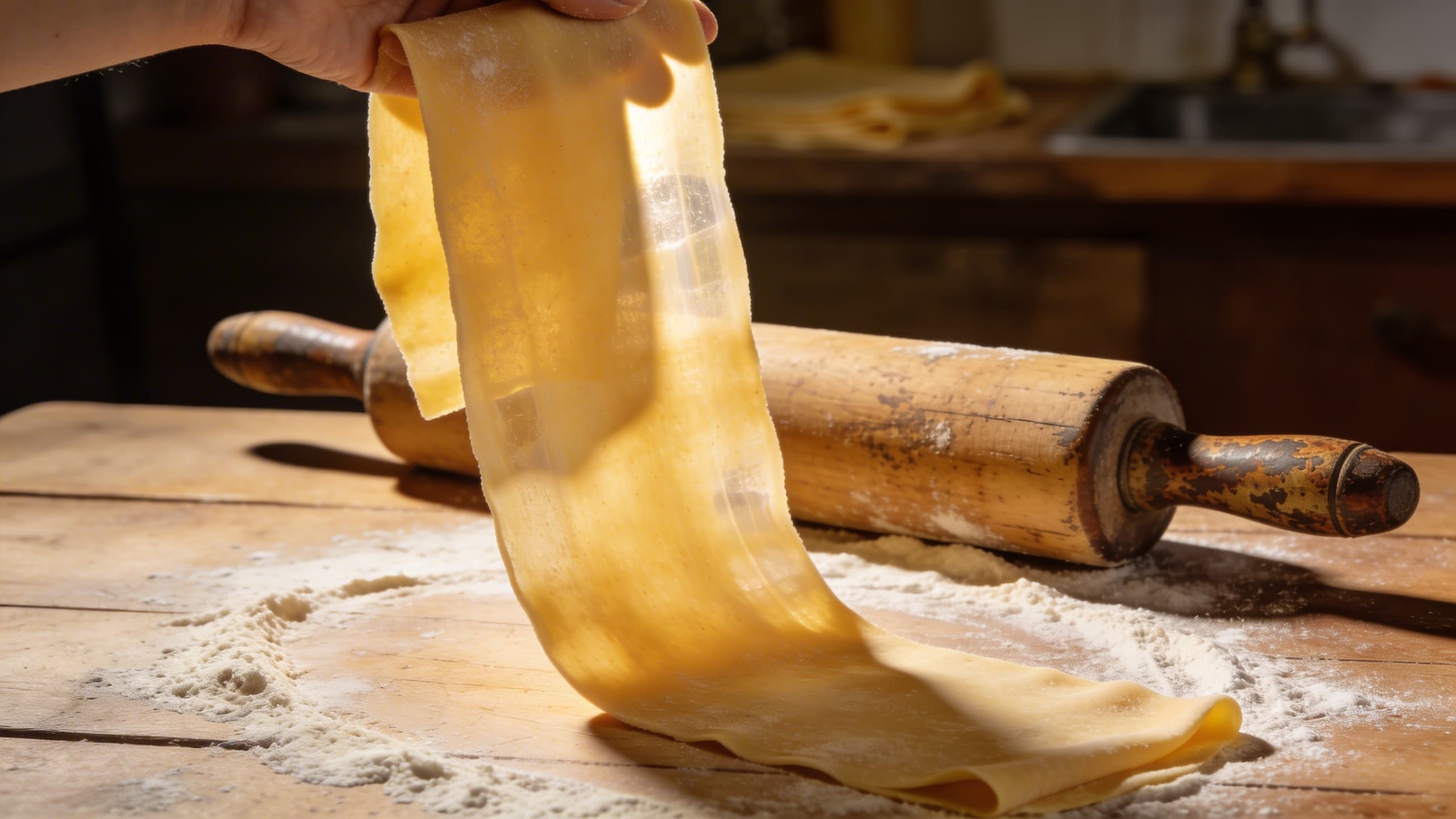
5. The Countertop Temperature Trap
Precision matters. If you’re rolling out dough on a cold marble slab or right next to a roaring stove, your dough’s viscosity changes. A cold surface makes the fats in the egg yolks seize, making the dough feel tougher than it actually is. Conversely, a hot environment makes it gummy.
Key Takeaway: The Banishment Checklist
- Source the right dust: Review your flour’s protein content. Aim for the 11-12% sweet spot.
- Respect the rest: A 30-minute rest is non-negotiable for structural integrity.
- The Poke Test: If the dough doesn't spring back slowly when pressed, keep kneading.
- Spray, don't pour: Use a misting bottle for hydration emergencies.
Warning: Never salt your dough. Salt strengthens gluten too much for fresh pasta and can cause "weeping" (moisture release) if the dough sits. Save the salt for the pasta water—it should taste like the Mediterranean Sea.
Keep it classy, keep it smoky, and for the love of all things holy, let your dough rest. Your fettuccine—and your sanity—will thank you.
#pastascience #kitchentips #freshpasta #chefxi #culinaryprecision