

5 Smoker Blunders That Nearly Ended My Kitchen Career (And the Precision Fixes That Saved Them)
Turning Pit Disasters into Michelin-Star Mastery

The Precision of the Pit: Why Your Smoker is Lying to You
Cooking at a Michelin level taught me that precision isn't just a goal; it's a requirement for survival. But when I transitioned those French-Italian techniques to the world of live-fire BBQ, I realized that a smoker is a far more temperamental beast than a copper saucier. It’s a thermodynamic puzzle wrapped in steel and fueled by the unpredictable soul of hardwood.
I’ve had my fair share of mishaps—some involving singed eyebrows and others involving a brisket that tasted like it was marinated in a chimney sweep’s boot. These "blunders" weren't just failures; they were data points. Today, we’re reviewing the most common pitfalls of the backyard pit and applying the technical fixes that turn a hobbyist into a master.
1. The White Smoke Deception: Creosote and the Bitter Bite
The biggest mistake rookies make is thinking that more smoke equals more flavor. If your smoker is belching thick, billowing white clouds, you aren't flavoring your meat; you’re varnishing it with creosote. This is a byproduct of incomplete combustion—essentially, your fire is suffocating.
Did You Know? Thin Blue Smoke (TBS) is the "Holy Grail" of BBQ. It indicates that the wood is burning at a high enough temperature to break down complex lignins into aromatic compounds like vanillin and guaiacol, rather than bitter tars.
The Precision Fix: Airflow is your best friend. Open your exhaust vent completely. Control your temperature using the intake vent (the one near the firebox). If the smoke stays white and acrid, your fire is too small or your wood is too wet. Aim for a clean, almost invisible heat shimmer with a faint blue tint.
2. The Evaporative Stall: Physics is Not Your Enemy
You’re at 160°F. You’ve been there for three hours. You start to panic. You crank the heat. Suddenly, your brisket is as dry as a desert floor. This is "The Stall," and it’s not a mystery—it’s pure physics. It’s the point where the rate of evaporation from the meat's surface cools it at the same rate the smoker is heating it.
Great cooking is about technique, not complexity. Understanding the 'why' behind the heat is what separates a cook from a chef.
The Precision Fix: The "Texas Crutch" is the standard answer, but for a French-Italian twist, I prefer a tighter wrap with butcher paper and a splash of high-viscosity beef tallow or a reduction of red wine and aromatics. This creates a micro-environment that halts evaporation and pushes the internal temperature through the plateau without sacrificing that beautiful bark.
3. The Cold Meat Myth: Thermodynamics of the Smoke Ring
There’s an old wives' tale that you should let your meat come to room temperature before smoking. In a Michelin kitchen, tempered meat is standard for a pan-sear. In a smoker? It’s a disaster. Smoke rings are formed by a chemical reaction between nitrogen dioxide in the smoke and myoglobin in the meat. This reaction stops once the meat hits about 140°F.
The Precision Fix: Keep your proteins in the refrigerator until the exact moment they hit the grates. Cold meat allows for a longer "window of opportunity" for smoke absorption and nitric acid formation. It’s the difference between a faint pink line and a stunning, deep-ruby smoke ring that would make any pitmaster weep.
4. Dirty Fire: The "Bad Wood" Review
Not all wood is created equal. Using unseasoned "green" wood or wood with the bark still attached is a recipe for disaster. Bark contains a high concentration of minerals and tannins that produce a harsh, "dirty" flavor profile when burned.
Pro Tip: If you want that refined, French-inspired nuance, peel your wood. Removing the bark ensures you are burning pure heartwood, resulting in a much cleaner, sweeter smoke profile that won't overpower delicate ingredients like smoked duck or veal.
5. Ignoring the Ambient Variable: The Wind and the Rain
Your smoker doesn't live in a vacuum. External factors—humidity, wind speed, and ambient temperature—drastically affect how your pit maintains its thermal mass. A sudden gust of wind can turn your offset smoker into a blast furnace, spiking your temps and ruining your rendering process.
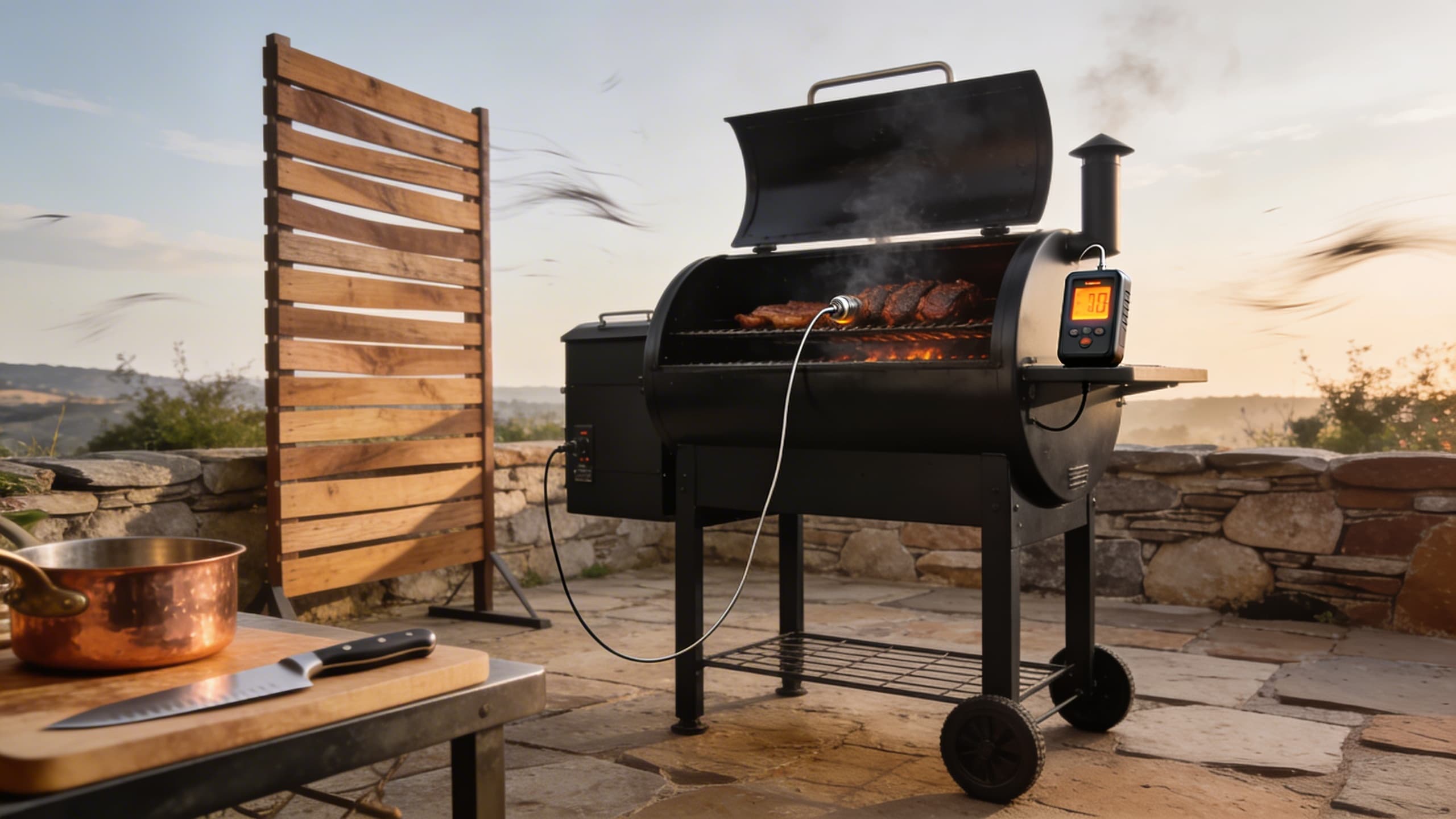
The Precision Fix: Invest in a high-quality, multi-channel digital thermometer. Don't trust the "Tel-Tru" gauge on the lid; it’s usually 50 degrees off from the actual grate temperature. Monitoring the ambient temp at the grate level is the only way to ensure your collagen is breaking down into succulent gelatin according to your specific timeline.
Key Takeaway: BBQ is a game of management. Manage your airflow, manage your moisture, and manage your expectations. When you combine the soul of the pit with the precision of a laboratory, that's when the magic happens.
Keep it classy, keep it smoky.
#bbqscience #pitmastertips #precisioncooking #smokedmeat