

5 Searing Mistakes That Sabotage Your Fusion Smoke Ring
Mastering the Science of the Sear for High-End BBQ Aesthetics

The kitchen is a laboratory where the stakes are delicious and the failures are usually edible, provided you have enough hot sauce. But when we’re talking about the intersection of French finesse and the rugged, smoke-drenched soul of the American pit, the "good enough" threshold evaporates. You’re looking for that deep, mahogany bark—the Maillard reaction’s finest hour—paired with a smoke ring so vibrant it looks like it was painted on by a Renaissance master.
But here’s the reality: most home cooks are accidentally sabotaging their crusts before the fire even starts. After years of staring into the abyss of an offset smoker and deglazing enough copper sauciers to fill a museum, I’ve identified the five deadly sins of the sear that are killing your fusion game.
1. The Moisture Menace: Surface Tension is Your Enemy
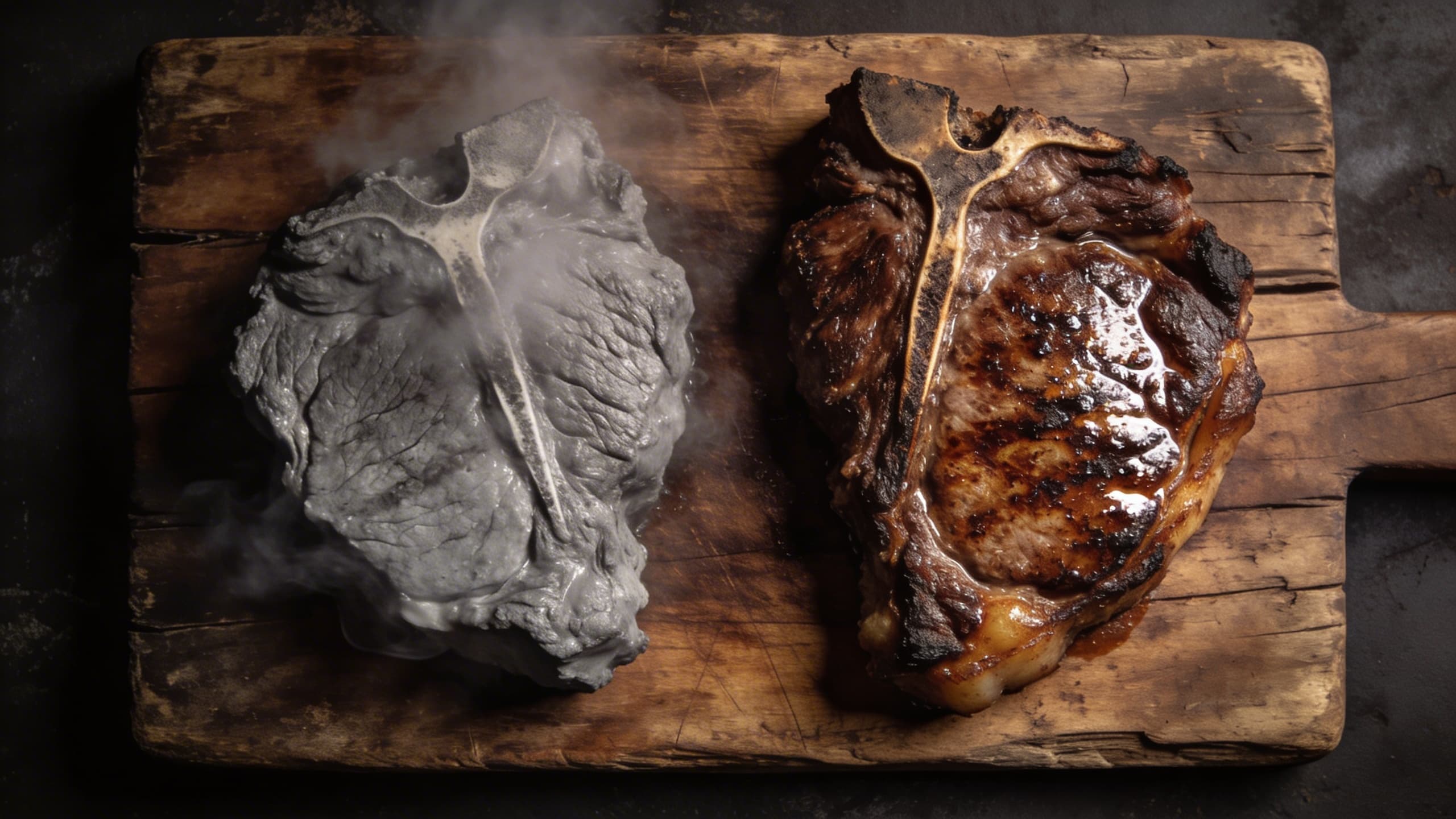
If your meat goes into the pan or onto the grate with even a hint of surface moisture, you aren’t searing; you’re steaming. In the world of French technique, we call this a culinary tragedy. The Maillard reaction—that magical dance between amino acids and reducing sugars—doesn't even start until the surface temperature hits about 285°F (140°C). If there’s water on that steak, the energy of your heat source is wasted evaporating that water at 212°F before it can ever start browning the protein.
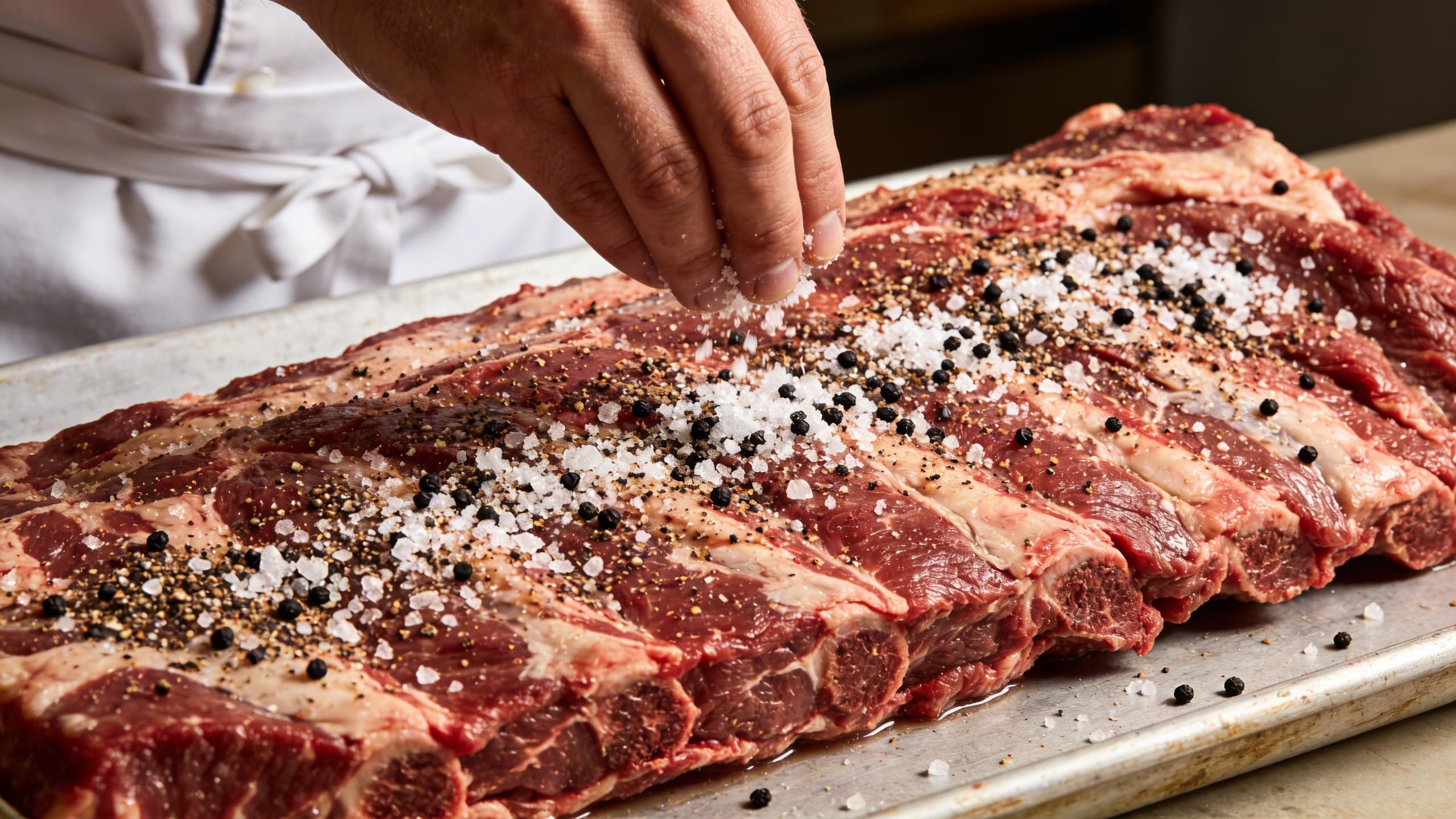
Tip: Use the "Dry Brine" method. Salt your protein at least 4 hours (ideally 24) before cooking and leave it uncovered on a wire rack in the fridge. The salt draws out moisture, then reabsorbs it, while the fridge air dries the surface to a parchment-like texture.
2. The Cold Start: The Thermodynamic Thud
I see it all the time: a beautiful, expensive ribeye pulled straight from the 38°F fridge and tossed onto a screaming hot cast iron. The outside chars instantly (often burning the spices), while the inside remains a block of ice. In a fusion kitchen, we want the internal fat to begin rendering before the crust becomes a carbonized shell.
Pro Tip: Temper your meat. Let it sit at room temperature for 45-60 minutes. This isn't just about even cooking; it’s about allowing the enzymes in the meat to start breaking down connective tissue, which leads to a more supple texture once the heat hits.
3. The "Crowded House" Syndrome
Whether it’s a pan of scallops for a French-inspired starter or a batch of burnt ends, crowding the cooking surface is the fastest way to drop the temperature of your vessel. When the temp drops, the juices leak out, and suddenly you’re boiling your meat in its own grey liquid.
Great cooking is about the space between the ingredients as much as the ingredients themselves.
4. Sugar Sabotage: The Rub Ruin
This is where the BBQ world often clashes with French precision. Many traditional BBQ rubs are 50% sugar. While sugar helps with bark, it burns at 350°F. If you’re trying to get a high-heat sear on a duck breast or a thick-cut pork chop, that sugar will turn bitter and black long before the Maillard reaction has finished its work.
Did You Know? The Maillard reaction is NOT caramelization. Caramelization is the pyrolysis of sugar; Maillard is the reaction of sugars WITH protein. If your rub is too sugary, you’re just burning sugar and masking the complex savory notes of the meat.
5. The Smoke Ring Myth: pH and Persistence
The smoke ring is a chemical reaction between nitrogen dioxide in the smoke and myoglobin in the meat. It has nothing to do with flavor, but everything to do with aesthetics. If you want that deep Italian-red ring on your French-trimmed rack of lamb, you need moisture during the smoke, but a dry surface at the start. It’s a paradox.
Key Takeaway: To maximize the smoke ring while maintaining a "Michelin-star" crust, keep the meat cold when it first enters the smoker (nitric oxide absorbs better into cold meat) but ensure the surface is dry. Spritz with a 50/50 mix of apple cider vinegar and beef stock every hour to keep the surface "tacky" for smoke adhesion without soaking it.
The Foolproof Routine for Fusion Perfection
- Prep: Dry brine 24 hours out. No exceptions.
- Tempering: Bring to room temp for 1 hour.
- The Sear: High-smoke-point oil (grapeseed or avocado). Don't touch it for at least 3 minutes.
- The Butter Baste: In the final 2 minutes, add cold butter, garlic, and thyme. This "Arrosé" technique adds the French gloss to the BBQ bark.
- The Rest: 10 minutes. Let those juices redistribute, or you’ll leave the best part on the cutting board.
Keep it classy, keep it smoky. Your palate—and your dinner guests—will thank you.
Warning: Never use truffle oil in the searing phase. The heat destroys the delicate aromatics and leaves you with a chemical aftertaste that even a gallon of sauce can't fix.