

5 Rookie Smoke Mistakes with Italian Herbs (And the Fusion Fixes)
Precision Technique for the Smoky Fusion Kitchen

The kitchen is a laboratory of thermodynamics and volatile compounds, but to most home cooks, it’s just a place where things occasionally catch fire. I’ve spent fifteen years reconciling the delicate, aromatic nuances of a French-Italian herb garden with the aggressive, elemental power of a wood-fired offset smoker. It’s a marriage that requires a prenuptial agreement written in charcoal.
If you’ve ever pulled a chicken out of the smoker only to find that your beautiful rosemary and oregano marinade tastes like a burnt ashtray, you’ve fallen victim to the "Smoke-Herb Paradox." We’re going to fix your frequency. From a nutritional standpoint, using real wood smoke properly can actually reduce the need for excessive sodium and processed flavorings, locking in the natural antioxidants found in fresh herbs—if you don't incinerate them first.
1. The "Mesquite Mistake" with Delicate Thyme
In the BBQ world, there’s a tendency to go for the heaviest hitters. Mesquite is the heavyweight champion of smoke, but it has no business being in the same room as a delicate Italian herb marinade. The high concentration of lignin in mesquite produces a pungent, almost medicinal smoke that completely masks the subtle oils in thyme and marjoram.
Tip: Stick to "Fruit and Nut" wood profiles for Italian-inspired dishes. Apple, Cherry, or Pecan provide a mild, sweet alkalinity that complements the earthy notes of Mediterranean herbs rather than burying them under a layer of soot.
2. The "Dry Rub" Delusion
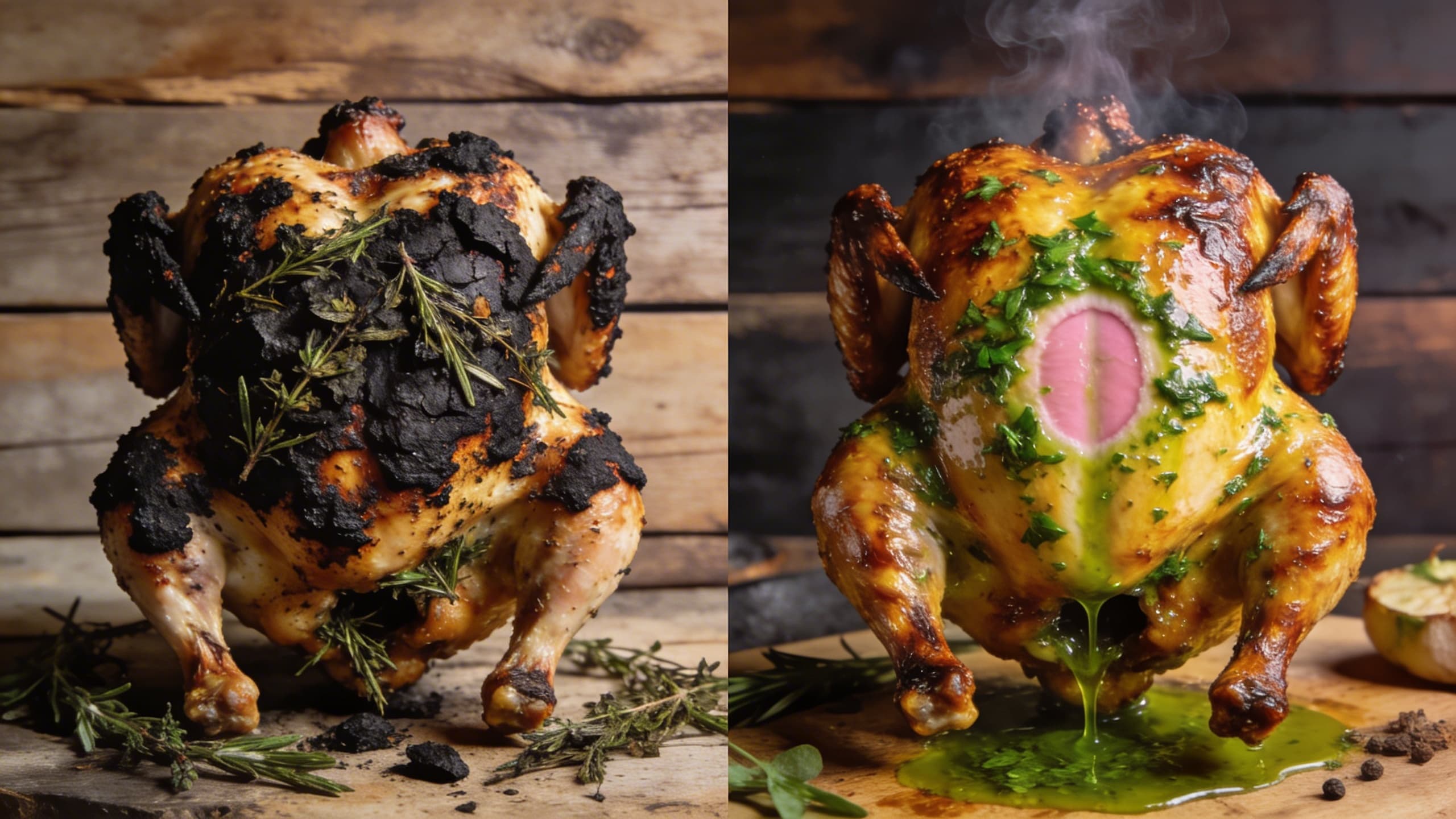
Many home cooks apply dried herbs directly to the skin and then blast them with smoke. Dried herbs are essentially tinder. In a smoker, they reach their combustion point rapidly, turning your "herb-crusted" protein into a "carbon-crusted" disaster. Not only does this taste like a forest fire, but you're also losing the polyphenols and essential oils that make herbs nutritionally valuable.
Pro Tip: Create an "Herb-Infused Lipid Shield." Blend your fresh herbs into high-smoke-point fats like avocado oil or clarified butter (ghee). This encapsulates the herb particles, protecting them from direct heat while allowing the smoke to penetrate the fat and bind with the herb oils.
3. Ignoring the "Vapor Pressure" of Fresh Rosemary
Rosemary is the backbone of Italian fusion, but it’s a temperamental beast. If you put fresh rosemary sprigs directly over the fire box or in a high-heat zone, the volatile oils (like eucalyptol) vaporize instantly. You aren't tasting rosemary; you're tasting the ghost of rosemary’s past.
Key Takeaway: Use "Cold-Start Infusion." Start your smoke at a lower temperature (around 180°F - 200°F) for the first 30 minutes. This allows the smoke to bind with the herb oils before the heat becomes high enough to vaporize them. It’s a sous-vide mentality applied to the pit.
I once tried to 'smoke-roast' a leg of lamb with a rosemary crust at 400 degrees. The result was so bitter I’m pretty sure it could have been used as a replacement for jet fuel. Precision isn't just a suggestion; it's a survival tactic.
4. The "Dirty Smoke" Syndrome
If the smoke coming out of your stack is thick and white (or heaven forbid, blue-black), you are essentially coating your food in creosote. This is the ultimate killer of herb-forward marinades. Creosote is a byproduct of incomplete combustion, and it sticks to the moisture in your marinade like glue. It’s bitter, it’s acrid, and it’s nutritionally questionable.
Warning: You want "Thin Blue Smoke." This indicates clean combustion where the wood is burning at the right temperature to release flavor without the heavy carbon buildup. If you can't see through the smoke, don't put your herb-marinated meat in the chamber.
5. The Acid-Smoke Imbalance
Italian marinades rely heavily on acidity—lemon juice, balsamic, or red wine vinegar. Smoke is naturally acidic. When you combine a high-acid marinade with a long smoke session, the pH levels drop too low, resulting in a "metallic" or "sour" finish that ruins the palate.
Fix: Balance your marinade with a "Lipid Buffer." Increase the ratio of fat to acid in your marinade if you plan on smoking for more than two hours. The fat provides a protective layer that prevents the smoke acids from over-denaturing the proteins and clashing with your citrus or vinegar.
The Molecular Conclusion
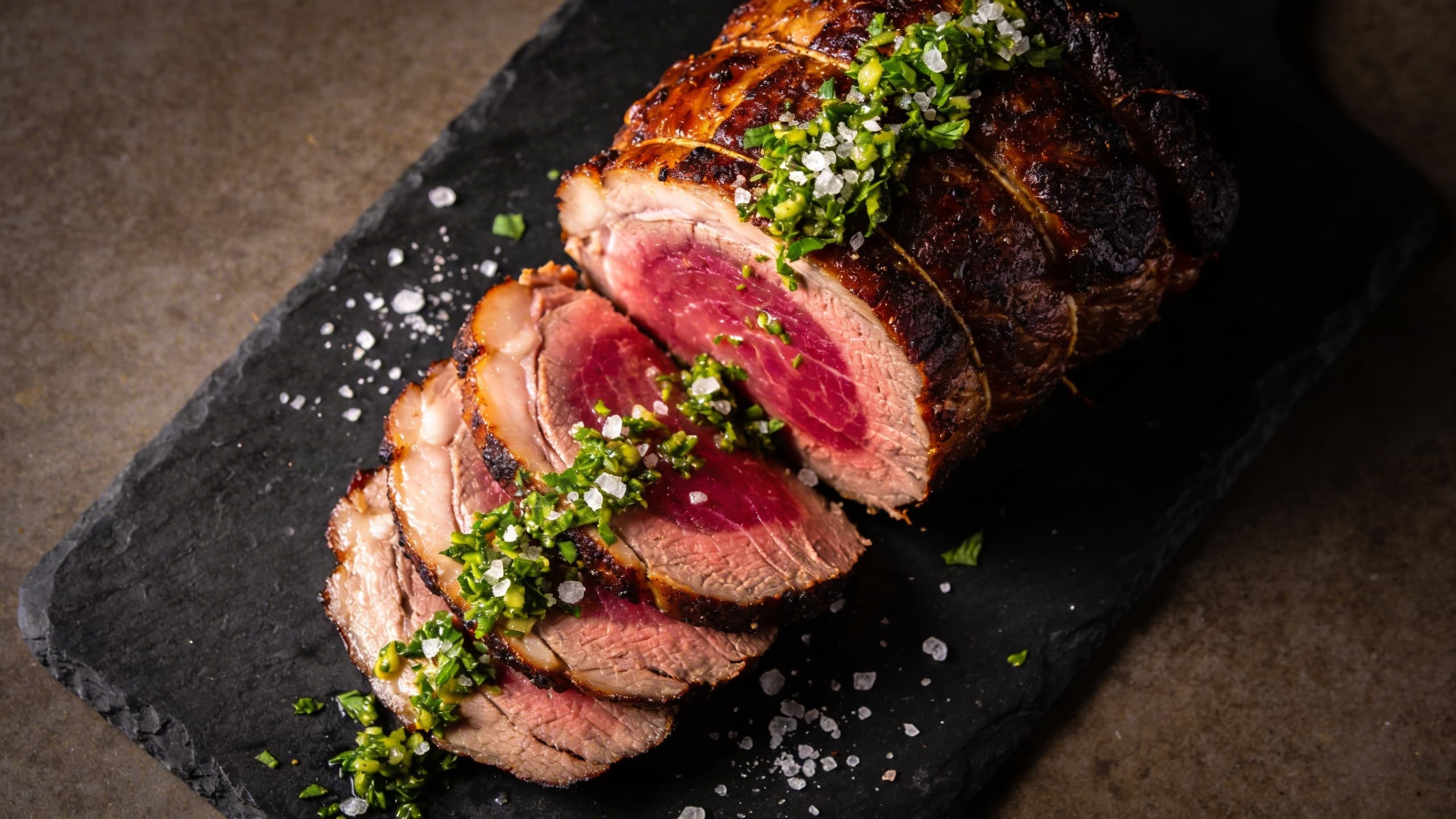
Cooking is the only science where you get to eat your mistakes, but I’d prefer you didn't have to eat the bitter ones. By respecting the thermal limits of your herbs and the combustion chemistry of your wood, you can create dishes that bridge the gap between a rustic Tuscan kitchen and a Texas pit.
Keep your knives sharp and your smoke clean. That’s how we maintain the frequency.
Did You Know? Smoking meats at lower temperatures with high-quality hardwoods can preserve more of the fat-soluble vitamins in the meat compared to high-heat searing, which can oxidize healthy fats more rapidly.