

5 Reasons Your Brisket Has No Smoke Ring (And How to Fix It)
Engineering the Perfect Halo: Science, Pitfalls, and the Molecular Fix

Precision in the pit is a lot like precision in a Michelin kitchen—it’s about managing variables that most people don’t even notice. We often talk about the smoke ring as the "halo" of a great brisket, but let’s be real: from a nutritional and chemical standpoint, that pink band is a fascinating study in molecular biology. It’s not just for show; it’s a sign that your meat has undergone a specific chemical interrogation by nitrogen dioxide.
But what happens when you pull that 14-hour brisket off the offset and it’s a ghostly, uniform gray? It’s a gut-punch. I’ve been there. I remember one service where I was trying to merge a traditional Texas brisket with a French bordelaise reduction, and the meat came out looking like boiled wool. No ring. No soul. I had to recalibrate my entire approach to thermodynamics and meat chemistry.
Here are the 5 most common pitfalls that kill your smoke ring, and how to fix them so you can get back to that stunning, high-protein masterpiece.
1. The "Warm Start" Saboteur
One of the biggest mistakes is letting your brisket sit on the counter for an hour to "reach room temperature" before it hits the smoker. In the world of French-Italian fusion, we often temper proteins, but for the smoke ring, this is a disaster. The chemical reaction that creates the pink color—the binding of nitric oxide to myoglobin—stops once the meat surface hits about 140°F (60°C).
Tip: Keep your brisket in the refrigerator until the exact moment the smoker is dialed in. Cold meat attracts more condensation, and water is the primary vehicle that carries nitrogen dioxide into the muscle fibers.
2. Over-Trimming the Lipid Barrier
We love a clean trim, but if you strip every millimeter of fat off the flat, you’re losing your moisture trap. A smoke ring needs a moist surface to develop. If the exterior of the brisket dries out too fast (creating a "bark" before the ring can form), the gases can’t penetrate.
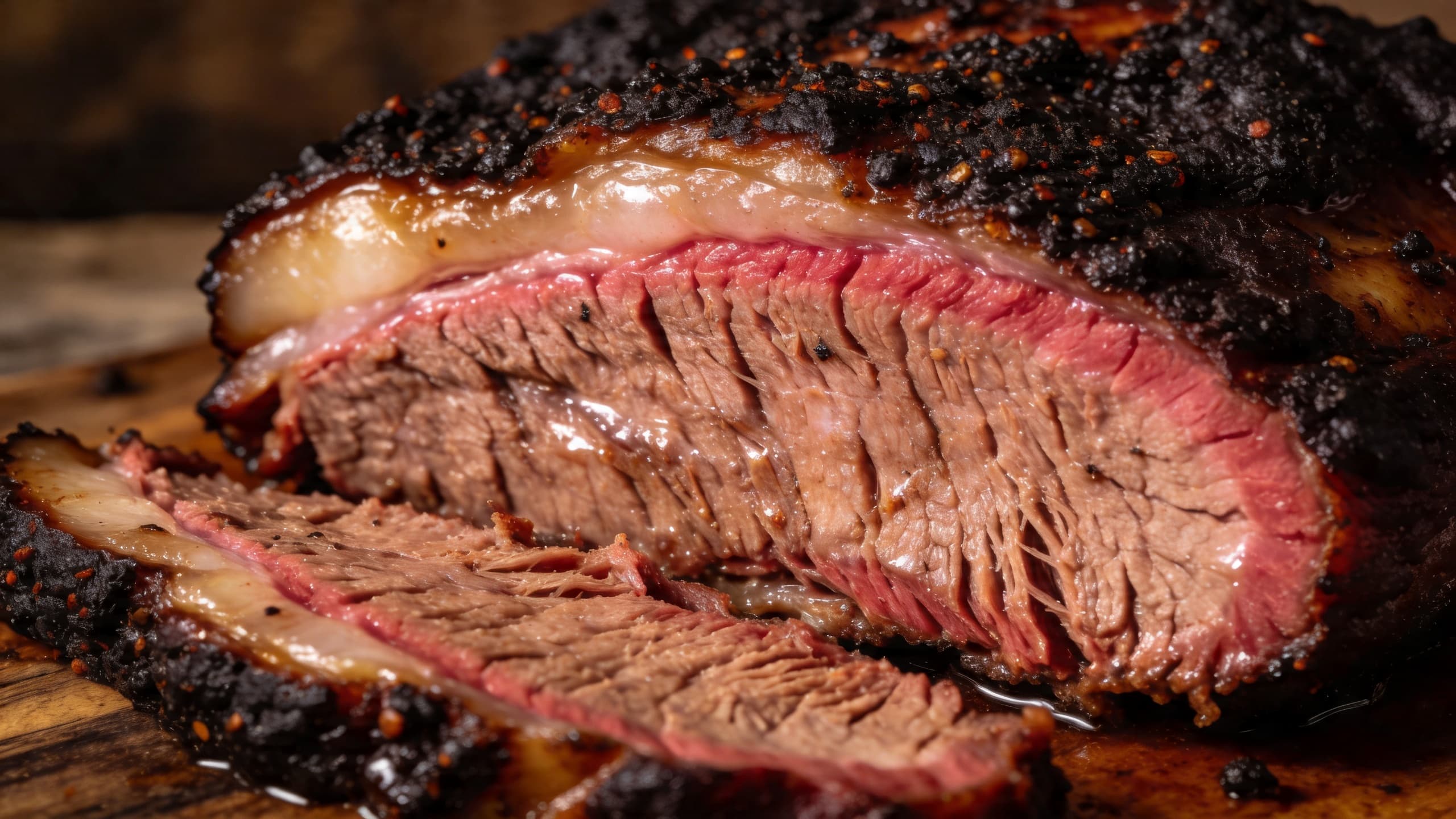
Pro Tip: Aim for a 1/4 inch of fat cap. This protects the protein while allowing the surface to stay tacky enough to absorb the smoke. Think of it like an emulsion—you need the right balance of fat and moisture for the chemistry to work.
3. The "Clean Smoke" Myth
Wait, don't throw your tongs at me yet. We all want thin, blue smoke. However, if your fire is too efficient and burning too hot and clean, you might actually be producing less nitrogen dioxide. A smoldering, slightly "dirtier" start (within reason) provides the chemical punch needed for that initial reaction.
The smoke ring isn't a flavor profile, it's a chemical signature of the environment you've engineered.
4. Neglecting the Surface pH
This is where the fusion science kicks in. If you’re using a heavy vinegar-based spritz too early, you might be altering the surface pH in a way that inhibits myoglobin stabilization. While acidity is crucial for balancing the richness of the fat (the "Italian" side of my soul loves a good gastrique), too much too soon can stall the ring.
Key Takeaway: Hold off on the acidic spritz until the smoke ring has set (usually around the 3-4 hour mark). Use plain water or a light beef stock early on to keep the surface "sticky."
5. Using the Wrong Fuel Source
If you're using kiln-dried wood that has 0% moisture, you're fighting an uphill battle. You need a little moisture in the wood to create the steam that helps the nitrogen dioxide move. In my experience, seasoned oak or hickory with about 15-20% moisture content is the sweet spot for both flavor and ring depth.
The Nutritional Reality of the Ring
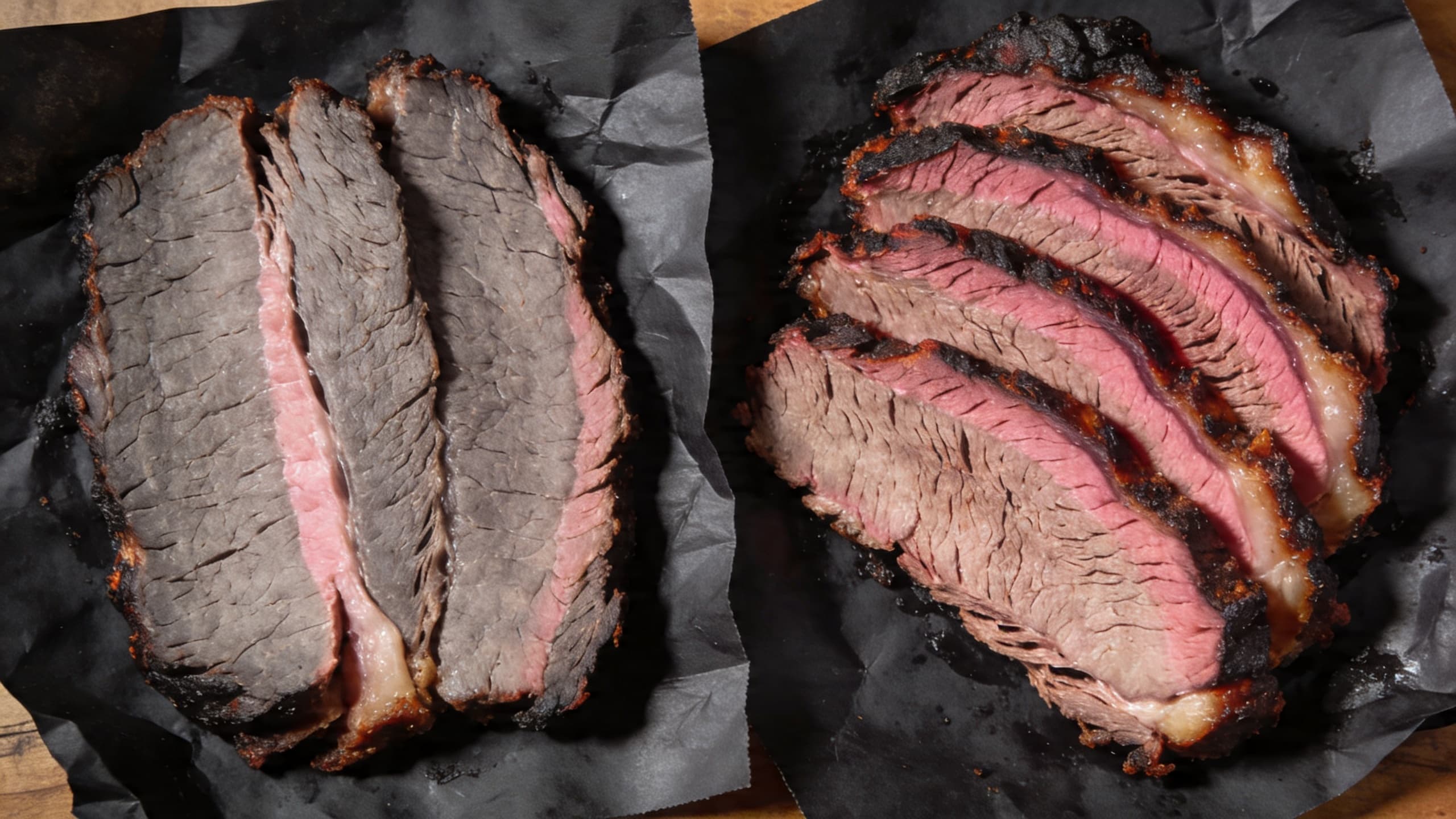
While the smoke ring is often chased for aesthetics, it’s a marker of a low-and-slow process that preserves the structural integrity of the protein. When we subject a brisket to this high-precision thermal interrogation, we are slowly breaking down collagen into gelatin without denaturing the proteins into a dry, flavorless mess. It’s the ultimate high-macro, high-satisfaction meal.
Warning: Don't be fooled by "fake" smoke rings created by curing salts (Tender Quick). Those are just chemical shortcuts. A true pitmaster earns that pink halo through fire management and patience.
Keep it classy, keep it smoky. And remember: if the ring isn't there, the flavor still might be—but we’re aiming for perfection here.