

5 Precision Hacks for Balancing 'Nduja Heat and Smoke Soul
Mastering the volatile chemistry of Calabrian heat and live-fire aromatics without losing an eyebrow.

The Molecular Marriage of Fire and Fat
Let’s be honest: balancing the aggressive, fermented heat of Calabrian 'Nduja with the deep, soulful notes of a post-oak smoke ring is less like cooking and more like high-stakes diplomacy. You’re dealing with capsaicin—a hydrophobic molecule that loves to latch onto your pain receptors—and phenols from the smoke that want to dominate the aromatic profile. If you don't calibrate the chemistry, you end up with a dish that tastes like a spicy campfire accident.
I learned this the hard way during a private service early in my career. I was attempting a high-precision sear on an 'Nduja-stuffed quail over live coals. I got cocky, the fat rendered faster than a French waiter’s patience, and a flare-up sent a plume of spicy aerosolized grease directly into my face. I lost half an eyebrow and gained a permanent respect for lipid-driven heat. That scar is a daily reminder that in the fusion pit, precision is your only protection.
1. The Lipid Buffer: Stretching the Spread
'Nduja is essentially spicy pork butter. Because capsaicin is fat-soluble, you can actually "stretch" the expensive stuff by emulsifying it into cheaper, neutral pantry fats. This isn't just about saving your wallet; it’s about controlling the burn.
Tip: Whisk a tablespoon of 'Nduja into a cup of rendered beef tallow or even a high-quality olive oil. You’ll get the essence of the Calabrian chili without the overwhelming heat, allowing the smoky profile of your meat to actually reach the palate.
2. Sugar as a Scallion: The Science of Neutralization
We often think of sweetness as a flavor, but in the realm of capsaicin chemistry, it’s a structural tool. Sugar doesn't just hide the heat; it competes for the same receptors.
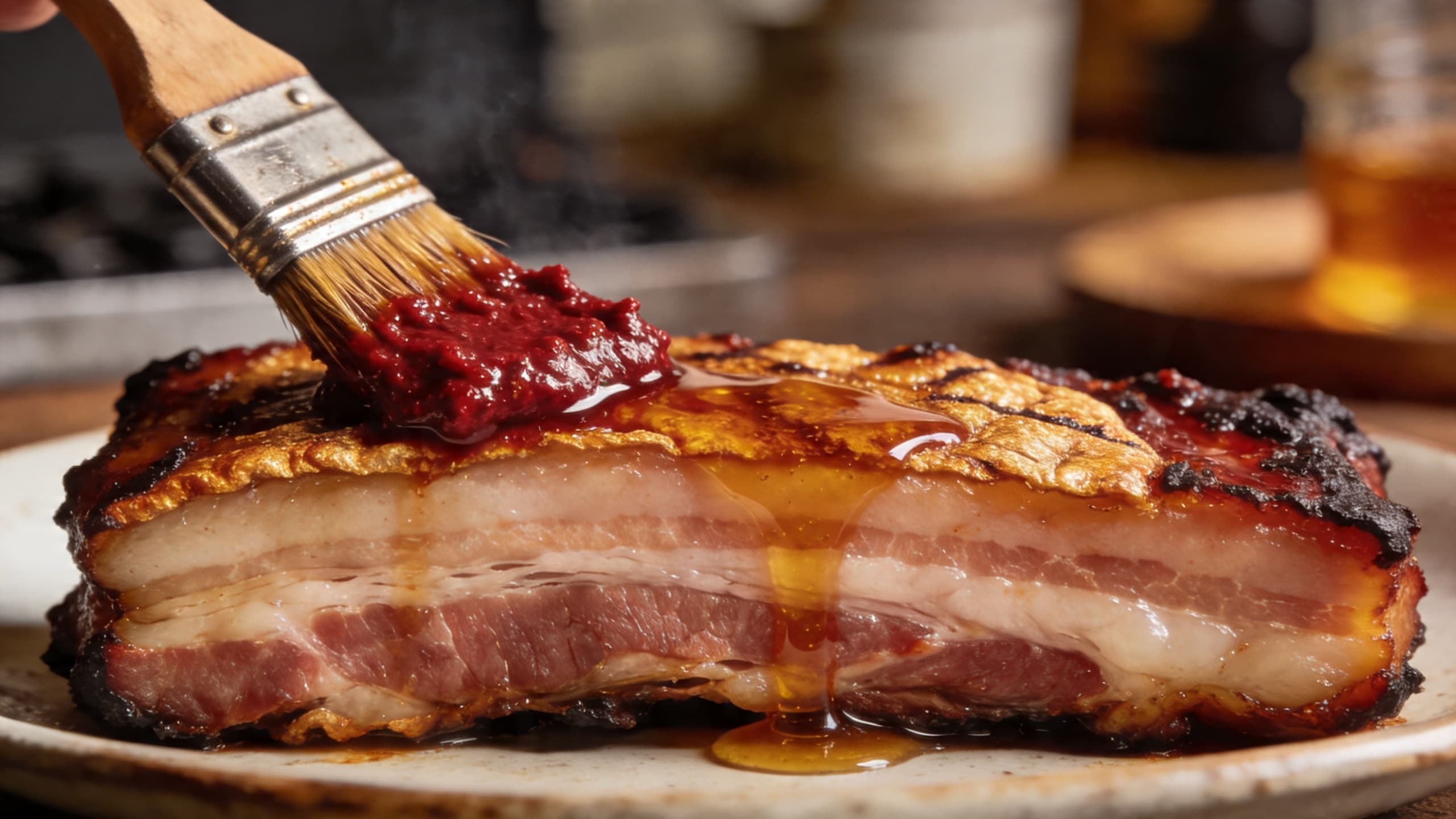
- The Honey Glaze: Mix 'Nduja with local honey and a splash of apple cider vinegar.
- The Application: Brush this on during the last 15 minutes of a smoke. The sugar caramelizes, creating a "glass" barrier that traps the smoke flavor while mellowing the 'Nduja’s fermented funk.
“If the heat doesn’t have a seatbelt, the smoke is going to get thrown out of the car.”
3. The Acidity Pivot
When the fat of the 'Nduja and the heavy phenols of the smoke start to feel "muddy," you need a chemical brightening agent. Acidity cleaves through the richness, resetting your taste buds so you can actually perceive the nuance of the wood you spent 12 hours burning.
Pro Tip: Don't just reach for lemon. Use a fermented brine—like the liquid from a jar of pepperoncini or even a splash of white balsamic. It mirrors the fermented notes of the 'Nduja while providing the sharp contrast needed to highlight a clean smoke ring.
4. Starch as a Heat Sink
If you've gone too heavy on the 'Nduja, don't panic. Starch is the ultimate "money-saving" stabilizer. Potatoes, pasta water, or even a simple polenta can act as a physical heat sink, absorbing the spicy oils and distributing them across a larger surface area.
5. Cold-Smoking the Paste
This is where the French-Italian fusion really hits the lab. By cold-smoking your 'Nduja before using it in a recipe, you’re pre-loading the fat with smoke molecules. This allows you to use less of the expensive sausage while achieving a deeper, more integrated flavor profile.
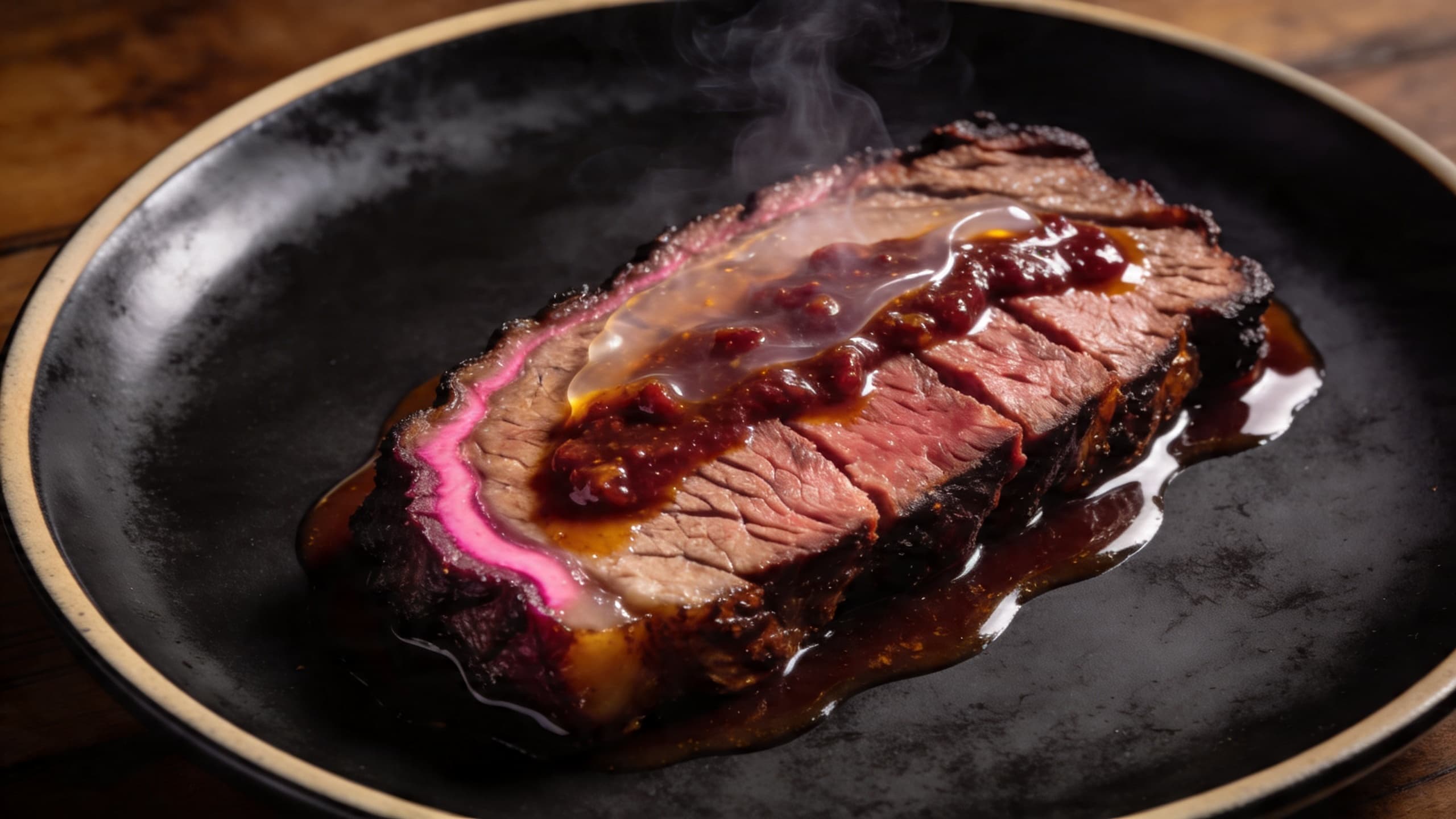
Key Takeaway: Balancing 'Nduja and smoke is about managing solubility. Use fats to buffer, sugars to compete, and acidity to clarify. Keep your eyebrows, and keep your standards high.
Warning: Never use water to "thin out" an 'Nduja sauce. Capsaicin is hydrophobic; water will only spread the oil around your mouth, making the burn feel more aggressive. Stick to fats or acids.
Keep it classy, keep it smoky. 🌶️💨 #BBQChemistry #FusionCooking #PitmasterTips #NdujaHacks