

5 Home Smoking Mistakes That Kill Fusion Flavor (And My Scarred Fixes)
Hard-learned lessons from the intersection of Michelin stars and smoke rings.

If you’ve ever stood over a $100 brisket at 3:00 AM, wondering why your "refined" cherry-wood smoke smells more like a tire fire than a Michelin-starred reduction, welcome to the club. My first foray into high-end fusion BBQ wasn't a triumph; it was a tragedy. I tried to apply the delicate principles of a French consommé to a backyard offset smoker, and the result was a piece of meat so bitter it could have filed for divorce.
That day, I learned that the pit doesn't care about your culinary degree. It only cares about thermodynamics and the cold, hard truth of airflow. I even walked away with a permanent souvenir—a thin, jagged scar across my left eyebrow from a grease flare-up that taught me more about fire management than any textbook ever could.
Here are the five smoking sins that will absolutely murder your fusion flavors, and the precision fixes I’ve developed in the trenches.
1. The "Clean Smoke" Myth and the Creosote Trap
In French cooking, we obsess over clarity. In BBQ, we obsess over the "blue smoke." Most home cooks see a billowing cloud of white smoke and think, "Now we're cooking!" In reality, you're essentially seasoning your meat with soot and creosote.
When I was first starting out, I choked a beautiful rack of lamb in thick, white smoke, thinking more was better. It tasted like an ashtray dipped in mint jelly.
Warning: Thick, white, or gray smoke is a sign of incomplete combustion. It creates a bitter, numbing film on the meat that masks any subtle fusion notes you’re trying to build.
The Fix: You want "Thin Blue Smoke." It should be almost invisible, shimmering like a heat wave. To get this, your fire needs oxygen. Stop choking your dampers. If your fire is struggling, pre-burn your wood in a separate chimney or fire pit so you’re adding hot coals, not cold, wet logs.
2. The Temperature Yo-Yo (And the "Eyebrow" Incident)
Precision is the foundation of Italian pasta and French sauces, yet people treat their smokers like a chaotic campfire. Swinging from 225°F to 300°F and back again destroys the rendering process.
I learned this the hard way when I tried to "kickstart" a stalled pork shoulder by dumping a gallon of unlit charcoal into the box. The resulting flare-up was so violent it sanged my eyebrows and left me with a scar that reminds me every morning: Stability is king.
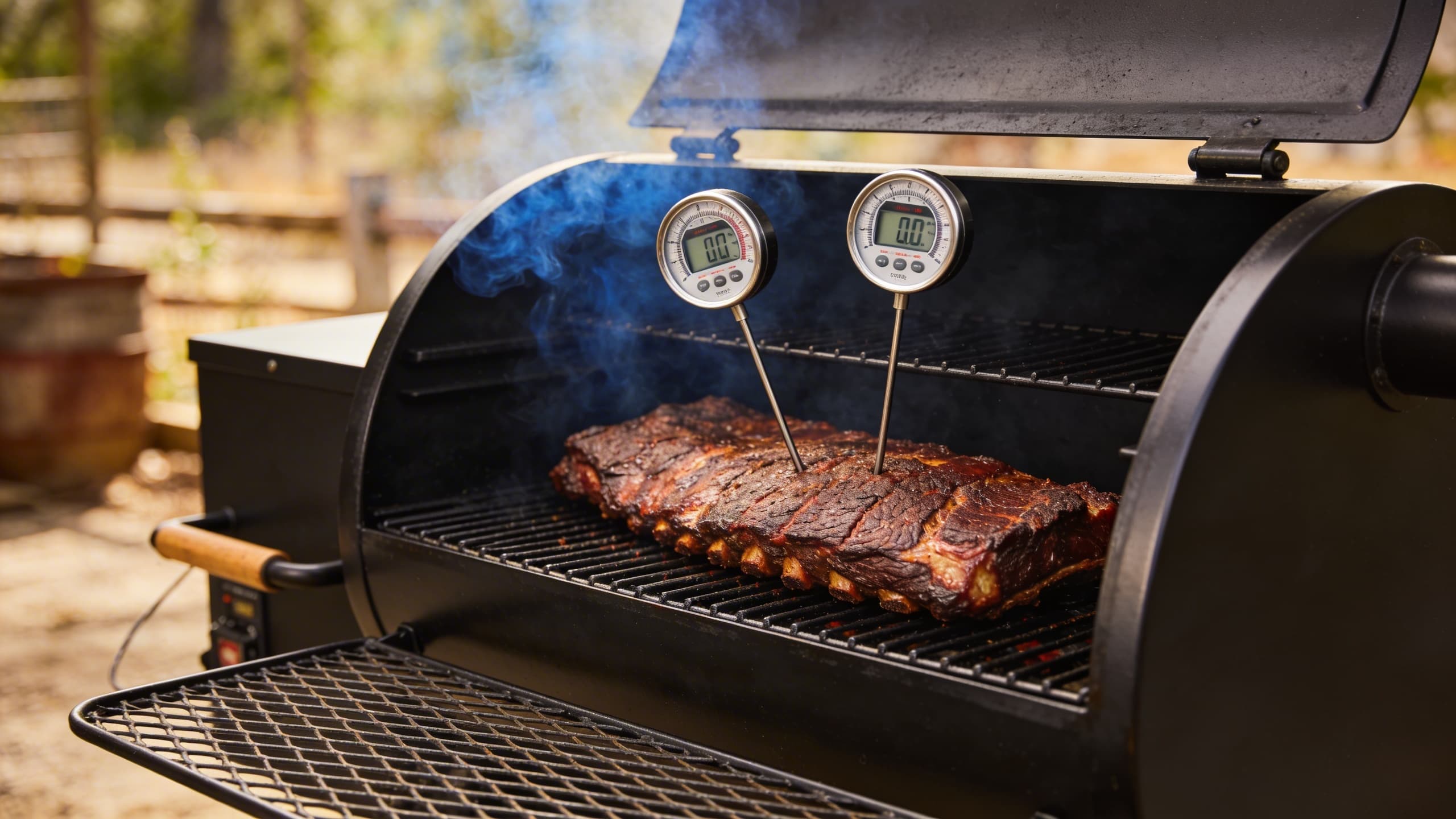
Pro Tip: Invest in a high-quality, multi-probe thermometer. One probe for the meat, one for the ambient air at the grate level. Most built-in dome thermometers are off by as much as 50 degrees.
3. Over-Smoking Delicate Fusion Profiles
If you’re doing a French-Italian fusion—say, a cold-smoked duck breast with an agrodolce glaze—you cannot use Mesquite. It’s too aggressive. I’ve seen cooks take a delicate Mediterranean flavor profile and bury it under a mountain of Hickory.
Great cooking is about nuance, not dominance. The smoke should be a supporting actor, not the lead.
The Fix: Use fruitwoods like Apple, Cherry, or Peach for fusion dishes. They provide a sweetness that complements balsamic reductions and herbal infusions. If you want that "Texas" punch without the bitterness, mix 70% fruitwood with 30% Oak.
4. The "Dry Rub" Delusion
In the BBQ world, people love heavy, sugary rubs. But if you’re aiming for a refined finish, those thick crusts can prevent the smoke from actually penetrating the meat, and they often burn, creating a carbonized "bark" that tastes like charcoal rather than caramel.
Key Takeaway: For fusion BBQ, less is more. Use a fine-grain salt and pepper base (16-mesh black pepper is the gold standard) to allow the smoke and the natural protein flavors to shine. Save the complexity for your finishing glazes and emulsions.
5. The Resting Sabotage
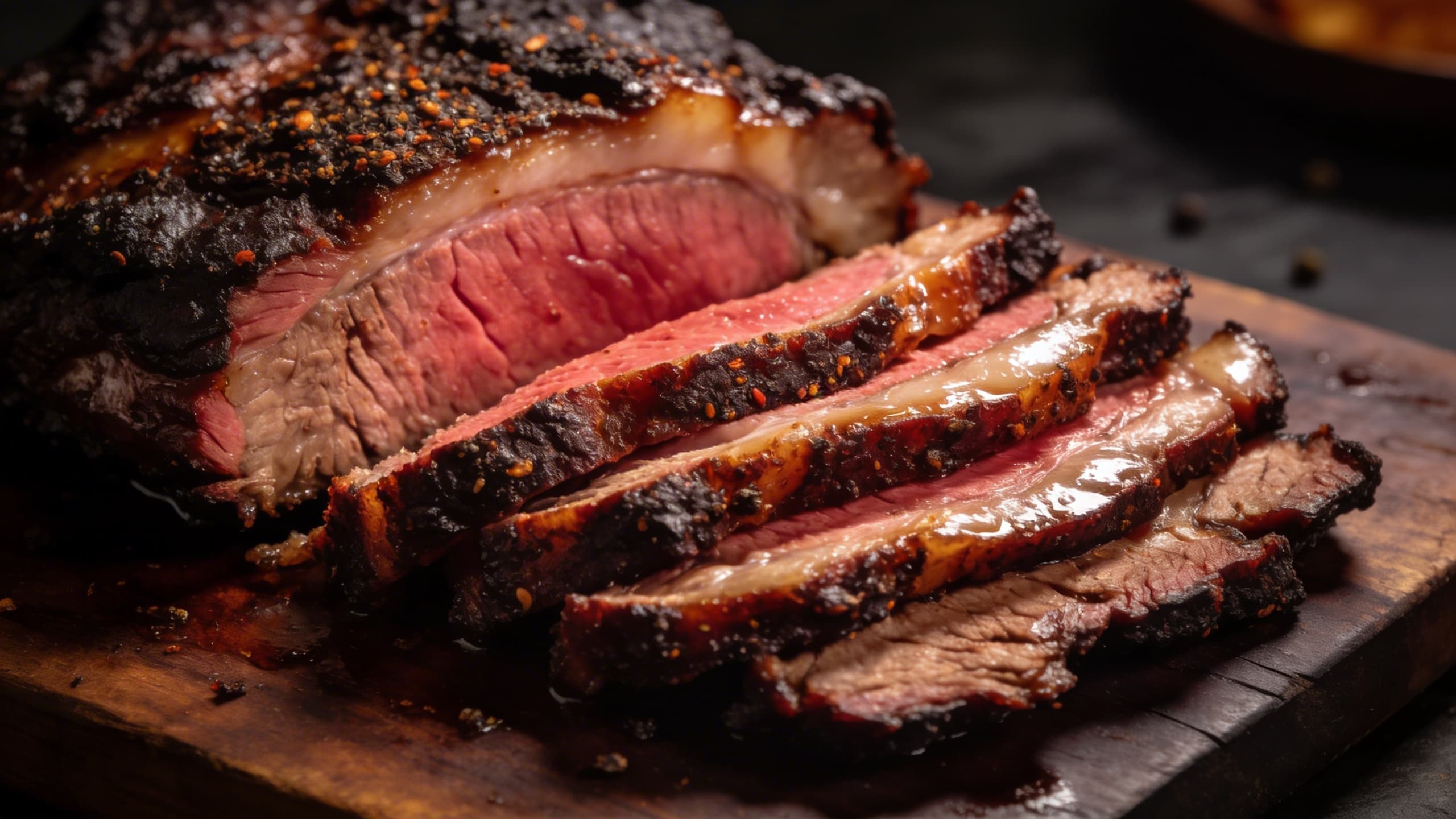
The biggest mistake I see? Pulling a beautiful piece of meat and slicing it immediately because you’re hungry or have guests waiting. I once sliced a "perfect" wagyu brisket too early for a tasting event. All that liquid gold—the rendered fat and juices—ran out onto the board, leaving the meat as dry as a desert.
The Fix: The "Faux Cambro" method. Wrap your meat in butcher paper (not foil, which ruins the bark), then a towel, and place it in an empty, dry cooler for at least two hours. This allows the muscle fibers to relax and reabsorb those precious lipids.
Tip: If you're struggling with a dry finish, try the "Butter Boat." During the last 2 hours of the cook, place your meat in a foil boat with a few knobs of high-fat European butter. It’s a French technique that saves BBQ lives.
Keep it classy, keep it smoky. And for the love of all things culinary, keep your eyebrows away from the firebox.
#bbqtips #fusioncooking #pitmaster #culinaryprecision #smokering