

5 Hilarious Home Smoking Blunders That Nearly Singed My Eyebrows—and Fusion Fixes for Each
From acrid smoke to eyebrow-singing flare-ups: A Michelin chef's guide to surviving the pit.

Most people think a Michelin star is earned through perfection, but I’ll let you in on a secret: it’s actually earned by surviving a thousand disasters and learning how to fix them before the guest takes a bite. When I traded the white tablecloths of Paris for the black soot of an offset smoker, I thought my French technique would make me an instant pitmaster. I was wrong. I was "singe-my-eyebrows-off" wrong.
In the world of high-end BBQ, the pit doesn't care about your valedictorian status. It only cares about thermodynamics and patience. Today, we’re looking at the most common home smoking blunders through the lens of a chef who’s seen it all—and I’m ranking the "meal kit" approach to BBQ (pre-packaged rubs and wood chips) against the real-deal precision of a fusion kitchen.
1. The "White Smoke" Biohazard
The biggest mistake rookies make is thinking more smoke equals more flavor. If your smoker looks like a Victorian-era steam engine chugging thick, white clouds, you aren’t flavoring your meat; you’re creosoting it. That white smoke is bitter, acrid, and—frankly—tastes like a wet campfire.
Tip: You are looking for "Thin Blue Smoke." It should be almost invisible to the eye but present to the nose. This indicates a clean, efficient burn.
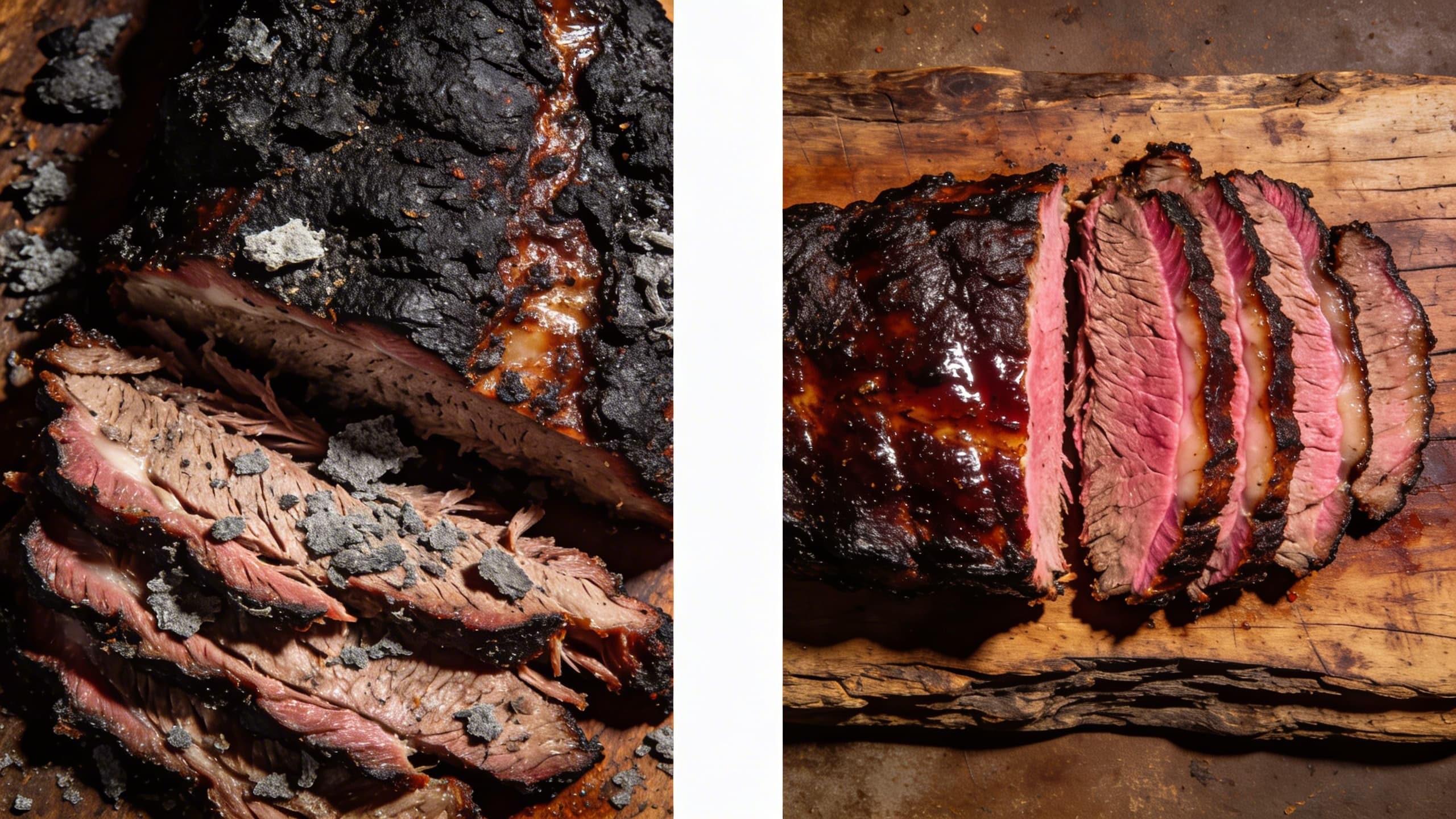
The Fusion Fix: Think of smoke like a French reduction. You want the essence, not the bulk. If your fire is choking, open the dampers. In my early days, I tried to "force" smoke into a brisket by closing everything up. The result? A piece of meat that tasted like an ashtray. Now, I use the "clean fire" technique: small, hot splits of post oak added frequently to maintain a steady 250°F without the smolder.
2. The Temperature Rollercoaster (The "Eyebrow Singe")
We’ve all been there—the temp drops, you panic, you throw in a massive log and a splash of lighter fluid (don't you dare), and suddenly the lid is rattling from a grease fire. I once leaned in to check a pork shoulder just as a "burp" of oxygen hit the firebox. Let's just say my eyelashes haven't been the same since.
Pro Tip: Invest in a high-quality dual-probe thermometer. One stays in the meat, one stays at the grate level. The thermometer on the lid of your smoker is a liar; it’s measuring the air at the top, not where your food lives.
3. Over-Smoking Delicate Italian Aromatics
When I started experimenting with French-Italian BBQ, I thought, "Why not smoke the rosemary and garlic?" I ended up with herbs that looked like charcoal and tasted like burnt rubber.
Did You Know? Delicate herbs and aromatics have a very low threshold for smoke absorption. They become bitter within minutes if the smoke isn't perfectly clean.
The Fusion Fix: Use the "Cold-Start Infusion." Instead of putting herbs directly in the heat, I create a smoked herb oil. I cold-smoke the oil for 30 minutes, then use that to baste the meat. It gives you that woody, herbaceous depth without the scorched-earth bitterness.
4. The "Looky-Lou" Heat Loss
"If you're lookin', you ain't cookin'." Every time you open that lid to admire your handiwork, you lose 20-50 degrees of ambient heat and a massive amount of moisture.
Great cooking is about technique, not complexity. If you can't trust your equipment, you'll never master the craft.
In a professional kitchen, we call this "losing the line." In BBQ, it’s called "stalling your own dinner." If you want that Michelin-level bark, you have to leave it alone. The moisture needs to evaporate slowly to form that crust.
5. Ranking the "BBQ Meal Kit" Services
Lately, I’ve been testing these "Pitmaster-in-a-Box" services that send you pre-portioned wood, rubs, and even the meat. Here’s my honest review for the home cook:
- The Convenience Factor: 9/10. For a beginner, having pre-measured wood chunks and a balanced rub prevents the "over-seasoning" disaster.
- The Flavor Profile: 6/10. Most are too heavy on sugar and salt. They lack the acidity and nuance we look for in fusion cooking.
- The Learning Curve: 4/10. They tell you what to do, but not why. You won't learn the thermodynamics of your specific pit this way.
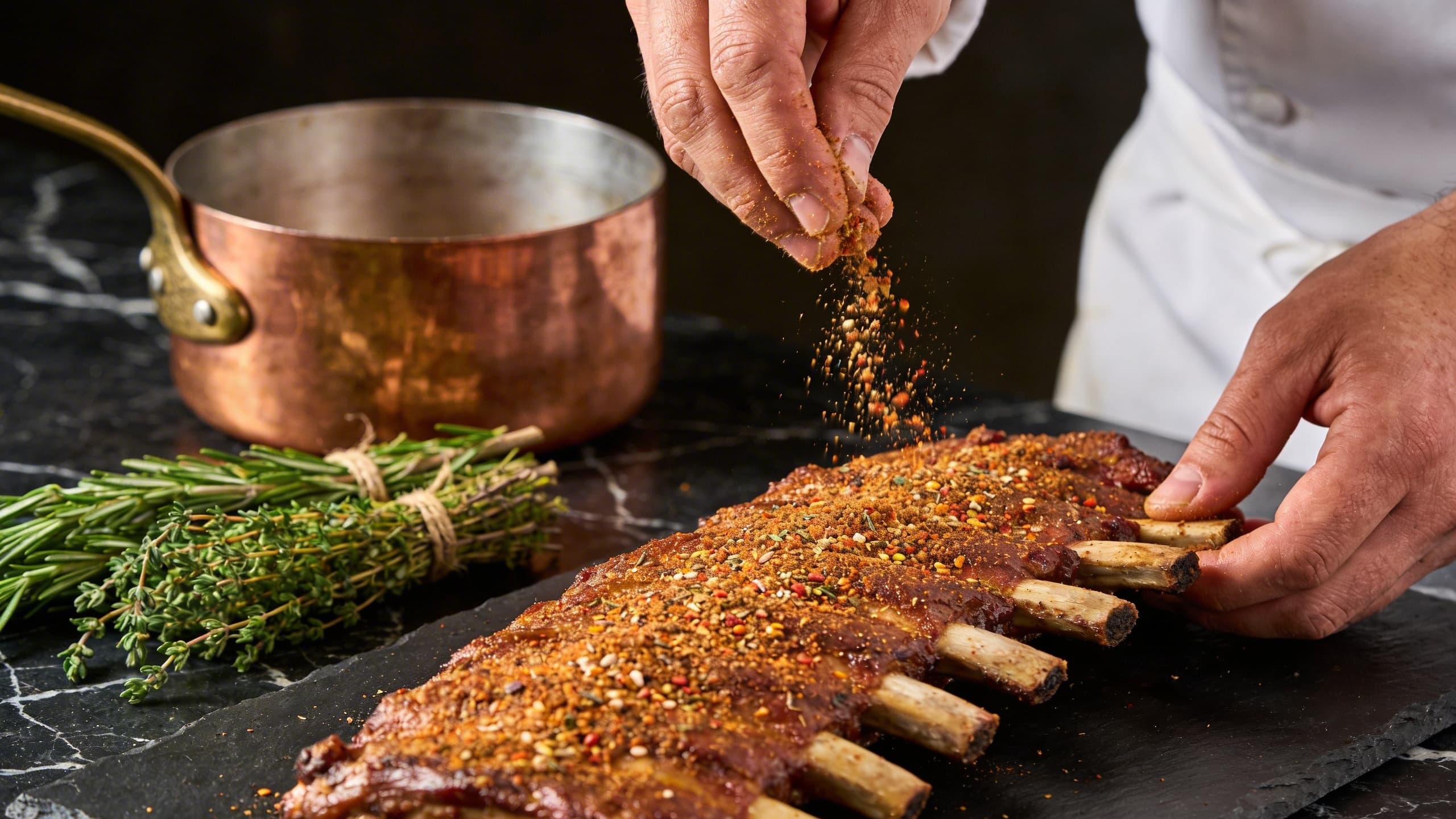
Key Takeaway: Use meal kits for your first three cooks to get the hang of fire management. After that, ditch the training wheels. Start blending your own rubs—think cracked black pepper, toasted fennel seed, and dried porcini powder for a true Italian-BBQ fusion.
Final Thoughts: The Pit Doesn't Lie
At the end of the day, BBQ is the ultimate truth-teller. You can't hide a bad cook behind a fancy garnish. Whether you're doing a 14-hour brisket or a quick smoked duck breast with a balsamic glaze, the precision of your fire is what dictates the soul of the dish.
Warning: Never use softwoods like pine or cedar for smoking. The resins will ruin your meat and potentially your smoker. Stick to hardwoods like oak, hickory, or fruitwoods.
Keep it classy, keep it smoky, and for the love of all things holy, keep your face away from the firebox when you open the door.
#bbqtips #pitmaster #fusioncooking #chefhacks