

5 Foolproof Fixes for Broken Sauces That Saved My Dinner Service Disasters
How to bully your molecules back into a glossy, high-viscosity masterpiece.

If you’ve ever stood over a saucepan watching a beautiful, glossy reduction suddenly transform into a grainy, oily puddle of regret, welcome to the club. In the high-stakes world of French-Italian fusion, where the velvet texture of a Beurre Blanc meets the rugged intensity of a smoked bone marrow infusion, the emulsion is the invisible thread holding the whole dish together. When that thread snaps, it’s not just a sauce that's broken—it's your pride.
I’ve had my share of "sauce-splatter" disasters. I once tried to emulsify a cold-smoked duck fat into a cherry gastrique during a live demo, only to have the fat separate with such kinetic energy it looked like a lava lamp gone wrong. But here’s the thing: physics is predictable. If you understand why a sauce breaks, you can almost always bully it back into submission.
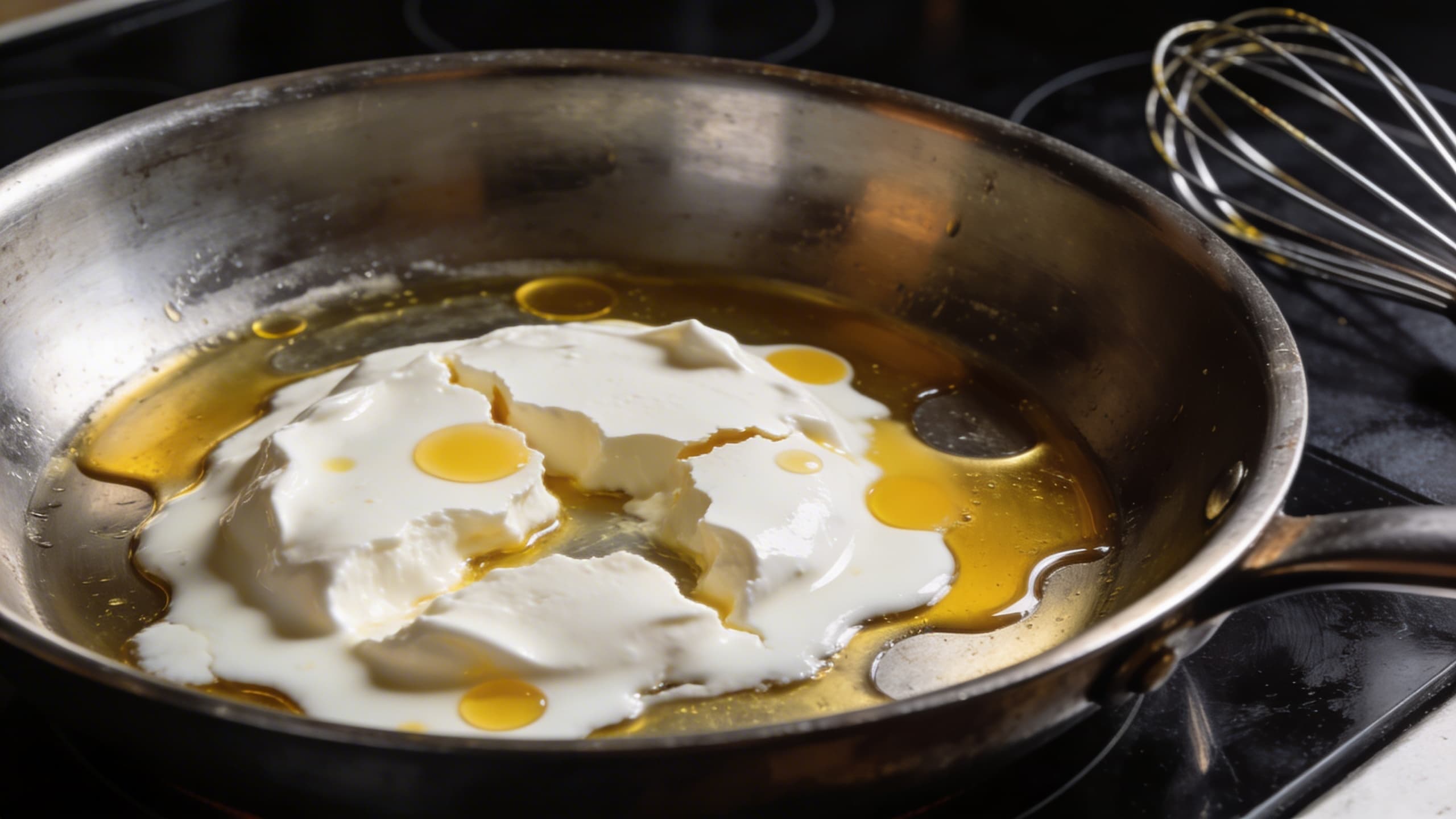
The Molecular Tug-of-War
At its core, an emulsion is a forced marriage between two enemies: fat and water. Naturally, they want nothing to do with each other. To make them coexist, we use "emulsifiers"—molecular peacemakers like lecithin (found in egg yolks), proteins in heavy cream, or even the mucilage in mustard.
When a sauce "breaks," it means the fat droplets have escaped their watery cages and huddled together. This usually happens because of three things: too much heat, adding fat too fast, or a lack of liquid.
A broken sauce is just a temporary lapse in molecular diplomacy. You are the mediator; don't let the fat win.
1. The Ice Cube Strategy (The Thermal Shock)
If your butter sauce or hollandaise is starting to look "tight" or oily around the edges, it’s likely overheating. The proteins are tightening up and squeezing the fat out.
The Fix: Remove the pan from the heat immediately and whisk in a single ice cube or a teaspoon of ice-cold water. The sudden drop in temperature and the addition of fresh water provide a new "home" for those stray fat molecules to latch onto.
Tip: This works best for butter-based sauces like Beurre Blanc or Hollandaise. If you’re working with a heavy cream reduction, skip the ice and use a splash of cold heavy cream instead.
2. The Power of the "Mustard Bridge"
In the fusion kitchen, we often play with aggressive fats—think smoked lardons or wagyu tallow. These are harder to emulsify than standard butter. If your vinaigrette or pan sauce is separating, you need a stronger bridge.
The Fix: Take a clean bowl, add a teaspoon of Dijon mustard and a splash of liquid (water, stock, or vinegar). Slowly—and I mean slowly—whisk your broken sauce into the mustard. The lecithin in the mustard acts as a high-strength adhesive that pulls the oil and water back into a unified state.
Pro Tip: If you don't want the flavor of mustard, a tiny pinch of xanthan gum (we’re talking 0.1% by weight) can provide the same structural integrity without changing the taste profile.
3. The Egg Yolk Reinforcement
This is the "nuclear option" for when a sauce has completely given up the ghost. It’s saved more of my dinner services than I care to admit.
The Fix: In a separate warm bowl, whisk one egg yolk with a teaspoon of warm water or lemon juice. Slowly drizzle your broken, oily mess into the yolk while whisking like your life depends on it. The yolk brings in a fresh army of emulsifiers to surround the fat droplets.
Warning: Make sure your broken sauce isn't boiling when you do this, or you’ll end up with oily scrambled eggs. Aim for "warm to the touch" (about 120°F-140°F).
4. High-Shear Intervention (The Blender Rescue)
Sometimes, manual whisking just doesn't provide enough kinetic energy to break the fat into small enough droplets. This is where industrial-grade physics comes in.
The Fix: Pour the broken sauce into a high-speed blender or use an immersion blender. The blades spin at thousands of RPMs, mechanically forcing the fat to disperse. This is particularly effective for "long-term" emulsions like mayonnaises or stabilized herb oils.
5. The Starch Stabilizer (The Italian Secret)
In Italian cooking, we often rely on pasta water to bind our sauces. If your Cacio e Pepe or Carbonara is clumping (which is just a broken emulsion of cheese and fat), you’ve lost the starch-to-fat ratio.
The Fix: Add a few tablespoons of starchy, boiling pasta water. The starch acts as a physical barrier between the fat droplets, preventing them from merging back together. Whisk vigorously over low heat until the sauce regains its creamy, high-viscosity glory.
Final Thoughts from the Pit
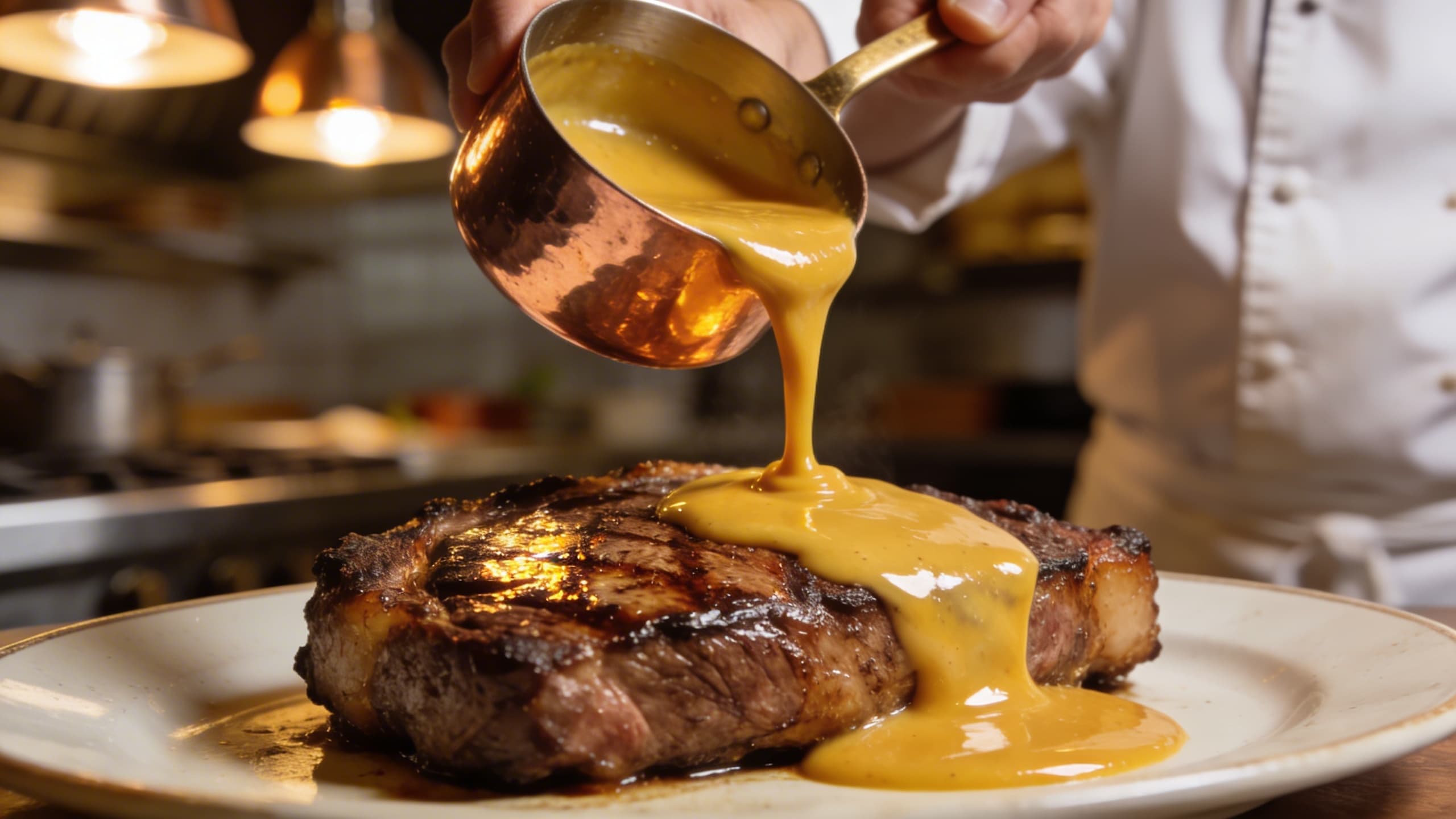
Precision is the foundation, but adaptability is the soul. A broken sauce isn't a failure; it’s an opportunity to apply a little kitchen thermodynamics. Next time your sauce decides to rebel, don't toss it. Take a breath, grab an ice cube or an egg yolk, and show those molecules who’s boss.
Key Takeaway: Most broken sauces are caused by evaporation or heat. Always keep a little "buffer" liquid (water, stock, or cream) nearby to thin the sauce and keep the emulsion stable.
Keep it classy, keep it smoky.
#saucehacks #frenchitalianfusion #kitchenscience #chefsecrets