

5 Backyard Smoking Disasters I Survived (And How You Won't)
From Unintended Jerky to Michelin-Level Bark: A Survivor's Guide to BBQ Thermodynamics

Let’s be honest: if you haven’t stood in your backyard at 3:00 AM, smelling like a hickory campfire and questioning every life choice that led you to a 14-pound brisket, are you even a pitmaster? I’ve spent years bridging the gap between the surgical precision of French-Italian kitchens and the raw, unpredictable physics of the offset smoker. And let me tell you, the smoker is a much harsher critic than any Michelin inspector.
I’ve had my brows singed, my patience tested, and my proteins turned into something resembling a discarded leather boot. But those disasters are where the real science happens. Cooking is about engineering success out of the ashes of failure. Today, we’re dissecting the "Unplanned Jerky" and four other smoking catastrophes so you can skip the trauma and head straight to the smoke ring.
1. The Brisket Jerky Interrogation
We’ve all been there. You want that deep, mahogany bark, so you leave it just a little longer. Suddenly, the internal moisture has staged a mass exodus, and you’re left with a $100 slab of beef jerky.
Did You Know? Thermodynamics in a smoker isn't just about heat; it's about evaporative cooling. The "stall" is when the meat is literally sweating to stay cool. If you don't manage your humidity, that sweat turns into a permanent drought.
To avoid the jerky fate, you need to understand viscosity and moisture retention. In my fusion kitchen, I treat a brisket like a delicate confit. Wrap it in butcher paper (not foil, we want it to breathe, not steam!) once the bark is set. This preserves the internal fats while allowing the smoke to continue its work.
2. The "Bitter Creosote" Smoke Screen
There is a massive difference between "Blue Smoke" and "The Great Fog of 2024." If your smoke is thick, white, and billowing, you aren't flavoring your meat; you’re seasoning it with soot and creosote. This results in a bitter, tongue-numbing flavor that ruins even the best Wagyu.
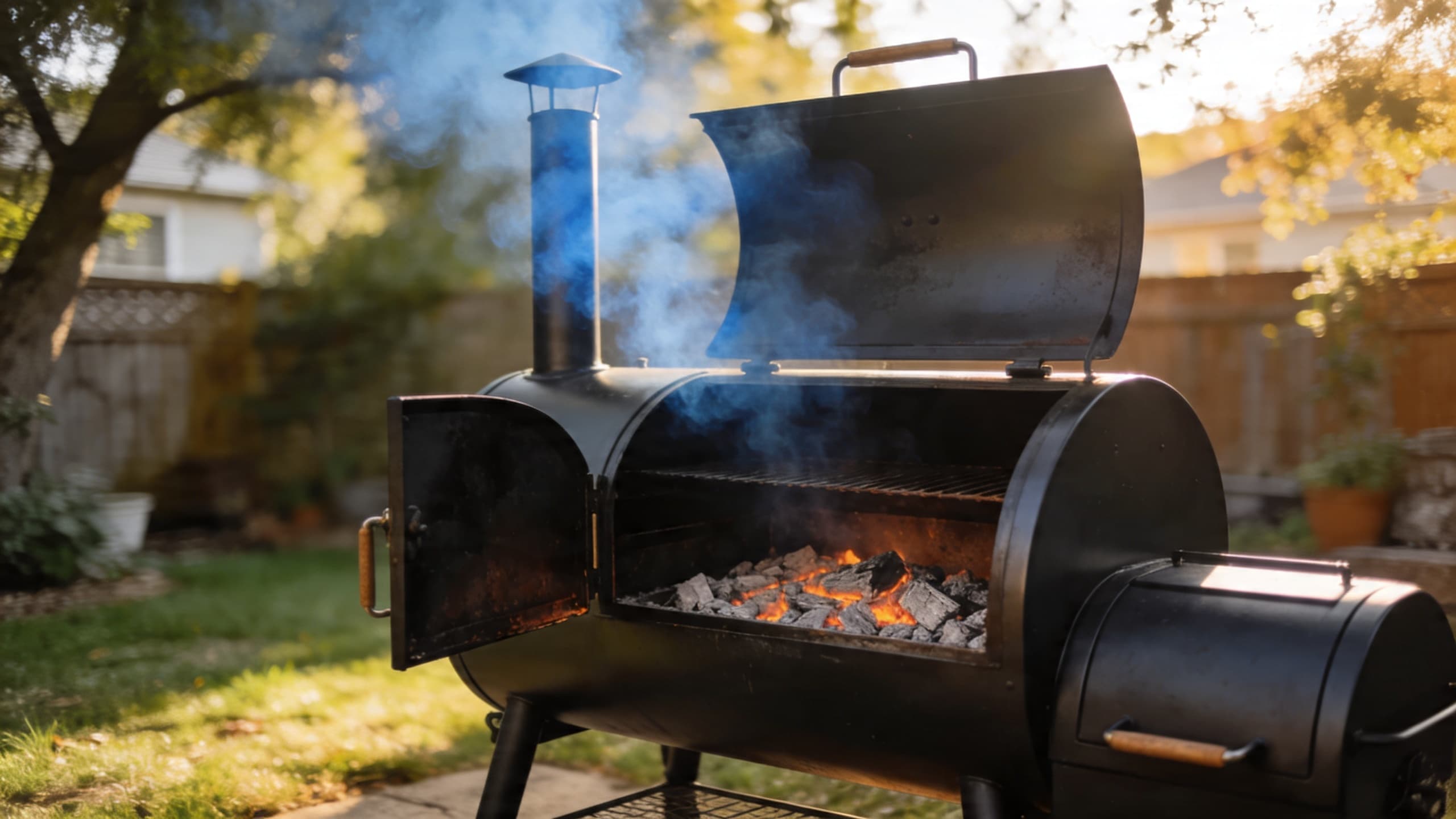
Pro Tip: Clean combustion requires oxygen. If you choke your firebox to lower the temp, you create dirty smoke. Instead, use smaller wood splits to maintain a small, hot fire that burns clean.
3. The Wood Selection Identity Crisis
I see people using Mesquite for delicate Italian-inspired smoked fish. Stop it. That’s like putting a heavy reduction of balsamic on a piece of white truffles—it’s a flavor homicide. Wood selection is the "mother sauce" of BBQ.
- Fruitwoods (Apple, Cherry): Use these for pork and poultry. They offer a subtle sweetness that pairs beautifully with a French-style glaze.
- Hardwoods (Oak, Hickory): The workhorses. Perfect for beef and heavy fusion dishes like smoked short rib Osso Buco.
- The "Never" List: Pine, cedar (unless it's a plank), or anything treated. Unless you enjoy the taste of turpentine.
4. The Temp Control Rollercoaster
If your smoker temp looks like a heart rate monitor during a sprint, your meat texture will suffer. Inconsistent heat leads to "mushy" proteins because the muscle fibers are being shocked and then relaxed repeatedly.
Great cooking is about technique, not complexity. The pit doesn't lie; it reflects your discipline.
To master the "Smoke Soul," you must become one with your dampers. Small adjustments, 15 minutes apart. Precision is the foundation. If you can't hold within a 25-degree range, you aren't cooking; you're just hoping.
5. The "No-Rest" Tragedy
The biggest disaster happens after the smoker. You pull a beautiful pork shoulder and shred it immediately. You watch all that glorious, smoky lipid-gold run onto the cutting board. That’s not juice; that’s flavor leaving the building.
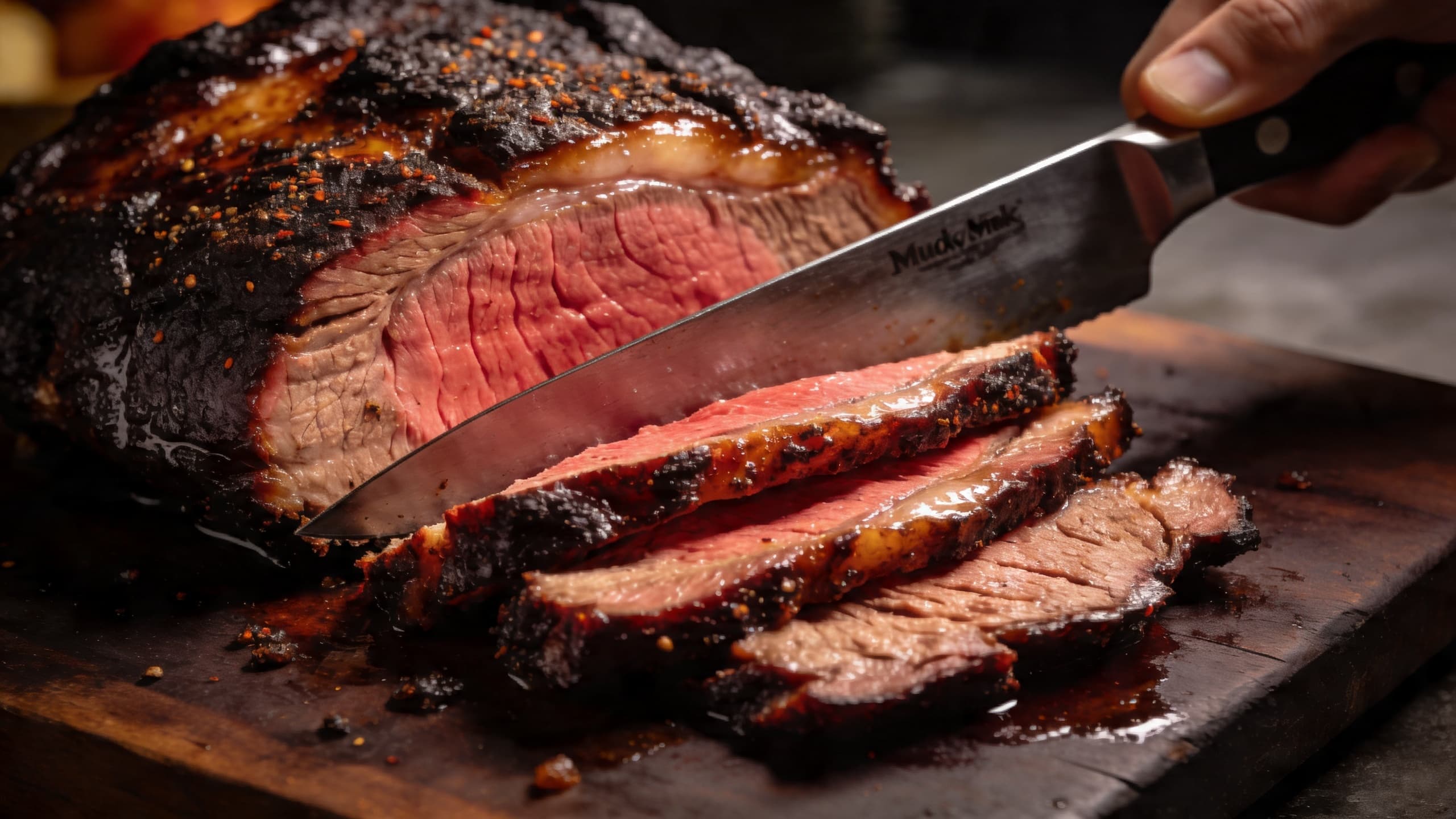
Key Takeaway: Resting is non-negotiable. For a large brisket, a 2-hour rest in a warm cooler is the difference between "good" and "Michelin-star moment." It allows the proteins to reabsorb the rendered fats.
Engineering the Perfect Fusion Smoke
When we talk about French-Italian fusion in the pit, we’re talking about using smoke as a seasoning, not a blunt instrument. Whether you’re smoking duck breast for a gastrique or subjecting cherry tomatoes to a cold smoke for a smoky Pomodoro, the rules of thermodynamics and wood science remain the same.
Warning: Never trust a pitmaster with clean fingernails or a dull knife.
Keep your fire small, your wood dry, and your patience infinite. The smoke ring is a badge of honor, but the texture is the soul. Keep it classy, keep it smoky.
#bbqscience #pitmastertips #fusioncooking #smokering