

Unlocking 'Nduja's Fiery Soul: 7 Fusion Pairing Pitfalls to Avoid and Bold Wins I've Discovered
How to master Italy's spiciest export without burning your fusion bridges.

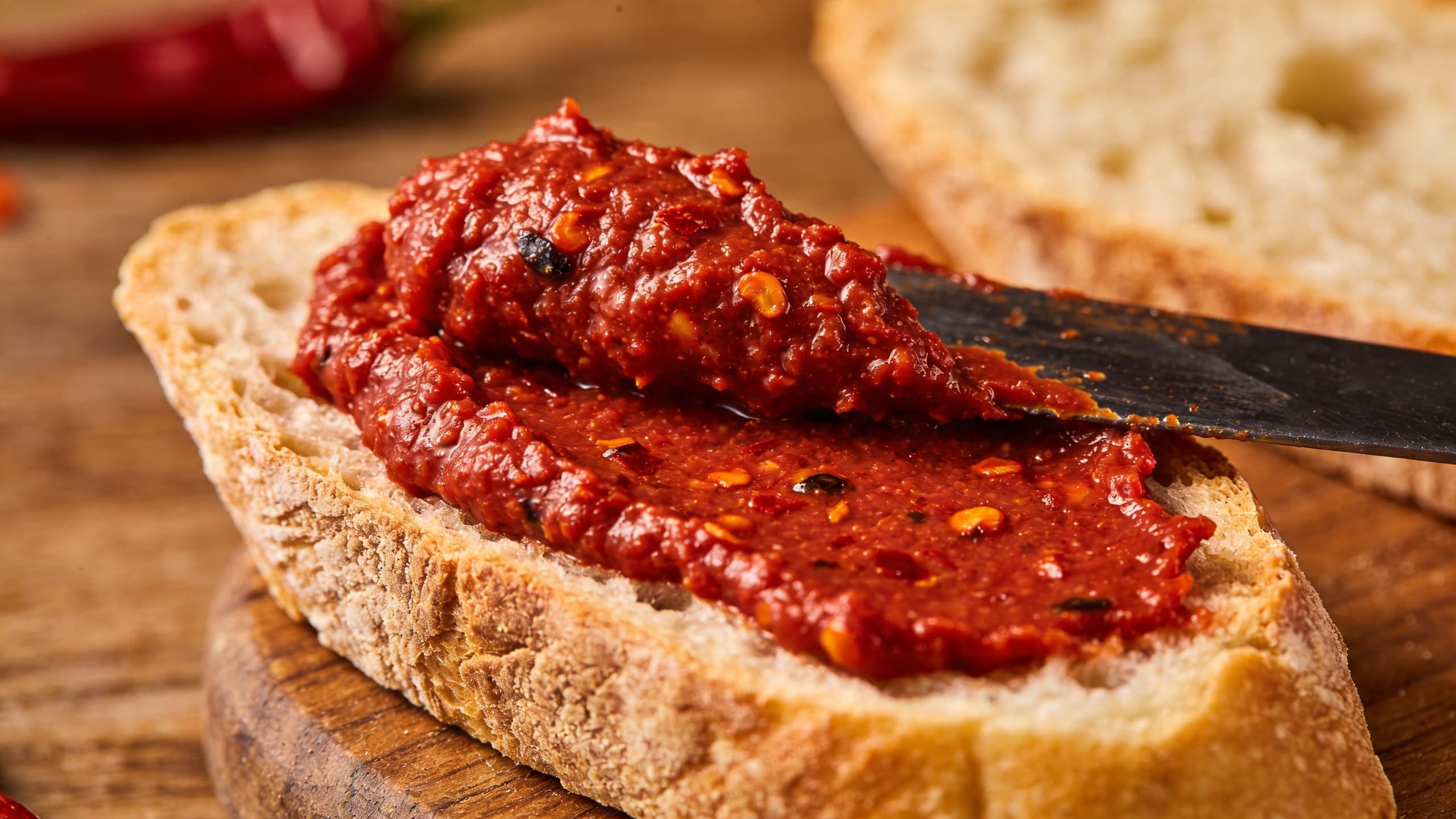
In the sun-drenched, rugged terrain of Calabria, there is a culinary force that refuses to be ignored. It is 'nduja—a spicy, spreadable pork salame that carries the essence of the South Italian sun and the fierce bite of Calabrian chilies. For years, I have treated this ingredient as more than just a component; it is a legacy, a concentrated burst of history that demands respect.
But as a nomadic flavor alchemist, I’ve never been one to let tradition sit still. My journey has been about taking that Italian soul and introducing it to global partners it never dreamed of meeting. In my kitchen lab, 'nduja has met everything from Thai lemongrass to Mexican agave. Not every meeting was a success—some were absolute fire-alarm-triggering disasters.
Through these trials, I’ve unlocked what I call the "Fiery Soul" of 'nduja. Today, I want to share the pitfalls that tripped me up and the bold wins that changed how I view fusion cooking.
The 7 Fusion Pitfalls: Why Your 'Nduja Might Be Failing
When you cross borders with an ingredient this potent, the margin for error is razor-thin. Here are the mistakes I’ve made so you don't have to.
1. The "Fat-on-Fat" Overload
'Nduja is roughly 80% fat. If you pair it with other heavy fats—like a thick coconut cream or a fatty pork belly—without a massive hit of acidity, the dish becomes a muddy, greasy mess. I once tried a 'nduja-infused pork belly bao that was so heavy it felt like eating a brick of spicy butter. Never again.
Warning: Avoid pairing 'nduja with heavy, un-acidified dairy or oils. You need a "cutter" to slice through that pork fat.
2. Death by Direct High Heat
Because of its high fat and sugar content from the peppers, 'nduja burns faster than you think. If you toss it into a screaming hot wok or under a broiler too early, it turns bitter and acrid.
3. The Salt Trap
'Nduja is heavily seasoned. If you’re building a fusion sauce—perhaps using soy sauce or miso—you must scale back your added salt to almost zero until the very end.
4. Overwhelming the Ocean
In my early experiments with seafood, I used too much 'nduja, completely masking the delicate sweetness of the fish. 'Nduja should be the wind in the sails, not the storm that sinks the boat.
5. Ignoring the "Bloom"
If you just stir cold 'nduja into a finished sauce, you miss the depth. It needs to "bloom" in a pan with aromatics to release its oils, but as noted in pitfall #2, this must be done gently.
6. The Herb Clash
Strong, resinous herbs like rosemary can fight with the fermented funk of 'nduja. In fusion, stick to bright, leafy herbs that provide a counterpoint.
7. Misjudging the "Creep"
The heat in 'nduja is a "creeper." It builds. What tastes balanced in the first bite might be unbearable by the tenth. Always scale your recipe for the end of the meal, not the first spoonful.
'Nduja is not just an ingredient; it is a conversation between the pig, the chili, and the passage of time. To use it is to invite a ghost to dinner—you must give it a chair, but don't let it run the house.
The "Eureka" Moment: The Lemongrass & Mussel Twist
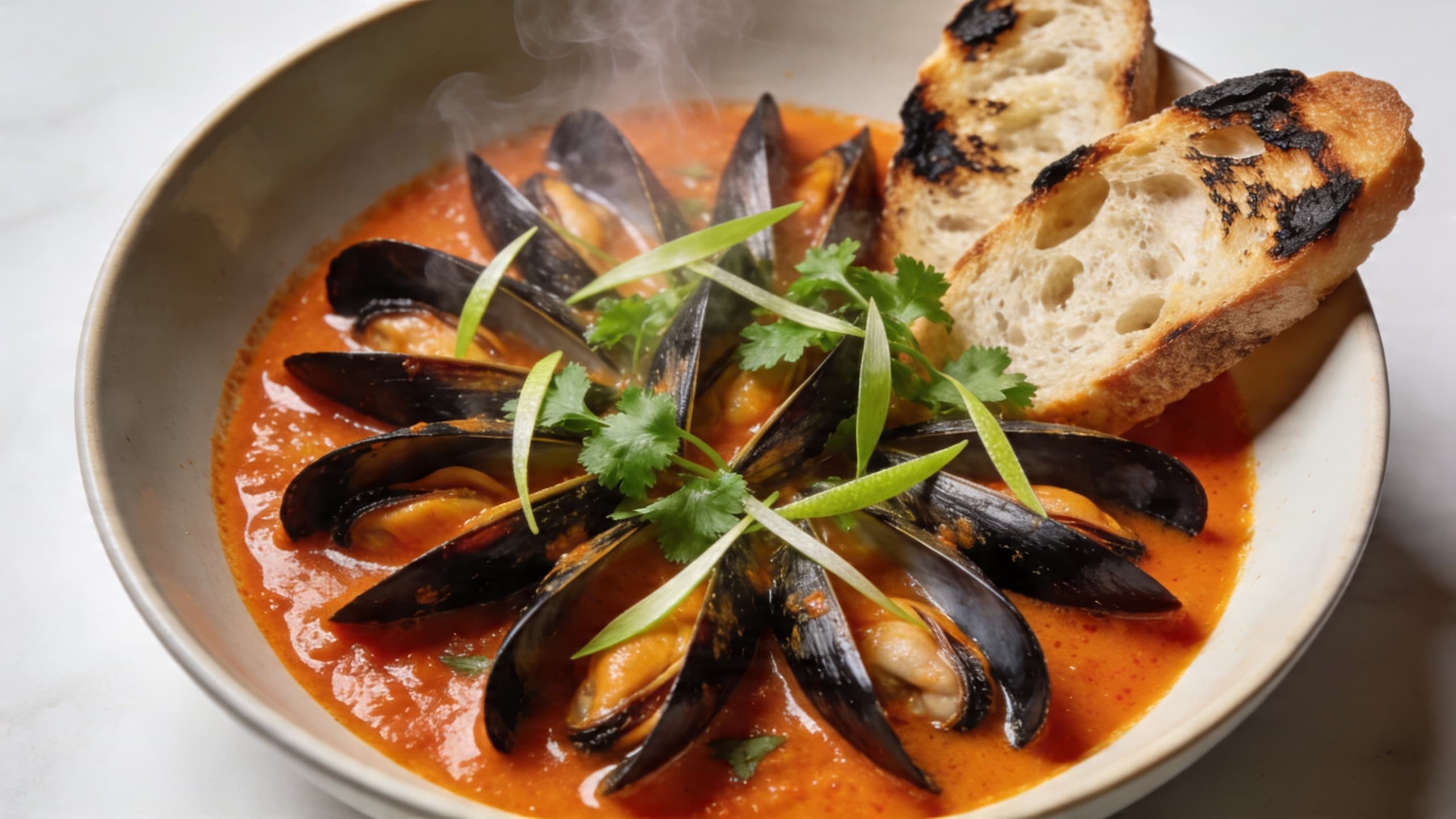
My greatest breakthrough came during a humid evening when I was craving both the coastal flavors of Calabria and the aromatic brightness of a Thai tom yum. I had a bag of fresh mussels and a jar of 'nduja.
I started by gently melting the 'nduja into a base of shallots and garlic. But instead of the traditional white wine and parsley, I introduced smashed lemongrass stalks, makrut lime leaves, and a splash of coconut water (not the thick milk, but the clear water).
The result was transformative. The lemongrass provided a high-toned citrus note that pierced right through the heavy pork fat of the 'nduja. The mussels steamed in this spicy, aromatic broth, absorbing the heat while staying light and vibrant. It wasn't just "spicy mussels"; it was a bridge between the Mediterranean and the Gulf of Thailand.
Bold Wins: How to Scale and Balance
If you want to master this fusion ethos, follow these "Robot-Tested" hacks for scaling your flavors:
- The 1:4 Rule for Seafood: For every 1 lb of shellfish, use no more than 1.5 ounces of 'nduja. This ensures the "Provenance" of the seafood remains the star.
- The Acid Pivot: If the 'nduja feels too heavy, don't add water. Add lime juice, rice vinegar, or a splash of dry sherry.
- The Texture Play: 'Nduja is soft. Pair it with something crunchy—toasted panko, crushed Marcona almonds, or even crispy fried shallots—to keep the palate engaged.
Pro Tip: When scaling recipes for a crowd, melt your 'nduja into a "mother oil" first. Strain out the solids if you want a refined look, or keep them for a rustic feel. This oil can be drizzled over everything from grilled octopus to roasted cauliflower.
Final Thoughts: Respect the Lineage
'Nduja carries the soul of Calabria. When we bring it into new worlds, we aren't trying to change it; we are trying to see what else it can say. Whether you are folding it into a miso ramen or whisking it into a charred tomato salsa for tacos, remember to balance the fat, respect the heat, and always, always look for that "eureka" moment where two cultures become one.
Taste the history.
#nduja #fusioncooking #chefxi #culinarytips #calabrianfood