

Unlocking Galangal's Magic in Italian Slow Cooks: 5 Pitfalls to Avoid and Fixes from My Kitchen Lab
Mastering the alchemy of "Blue Ginger" in your favorite Italian braises and risottos.

The Alchemist’s Root: Bridging the Silk Road and the Po Valley
In the quiet hum of my kitchen lab, there is an ingredient that often sits like a gnarled, forgotten relic: galangal. To the uninitiated, it looks like a pale, woody cousin of ginger. But to those who respect the lineage of flavor, it is a powerhouse of piney, citrusy, and earthy notes. My journey with this root began in the bustling markets of Bangkok, but its heart, I’ve found, beats surprisingly well in the slow-simmered traditions of Italy.
When we talk about fusion, we aren't just tossing ingredients together; we are orchestrating a conversation between cultures. Marrying the medicinal, fiery essence of galangal with the fatty, soulful elegance of an Italian braise or the starchy luxury of a risotto is a delicate dance. It requires an understanding of chemistry—specifically, how galangal’s dense fibers release their essential oils much slower than ginger.
The Chemistry of the "Blue Ginger"
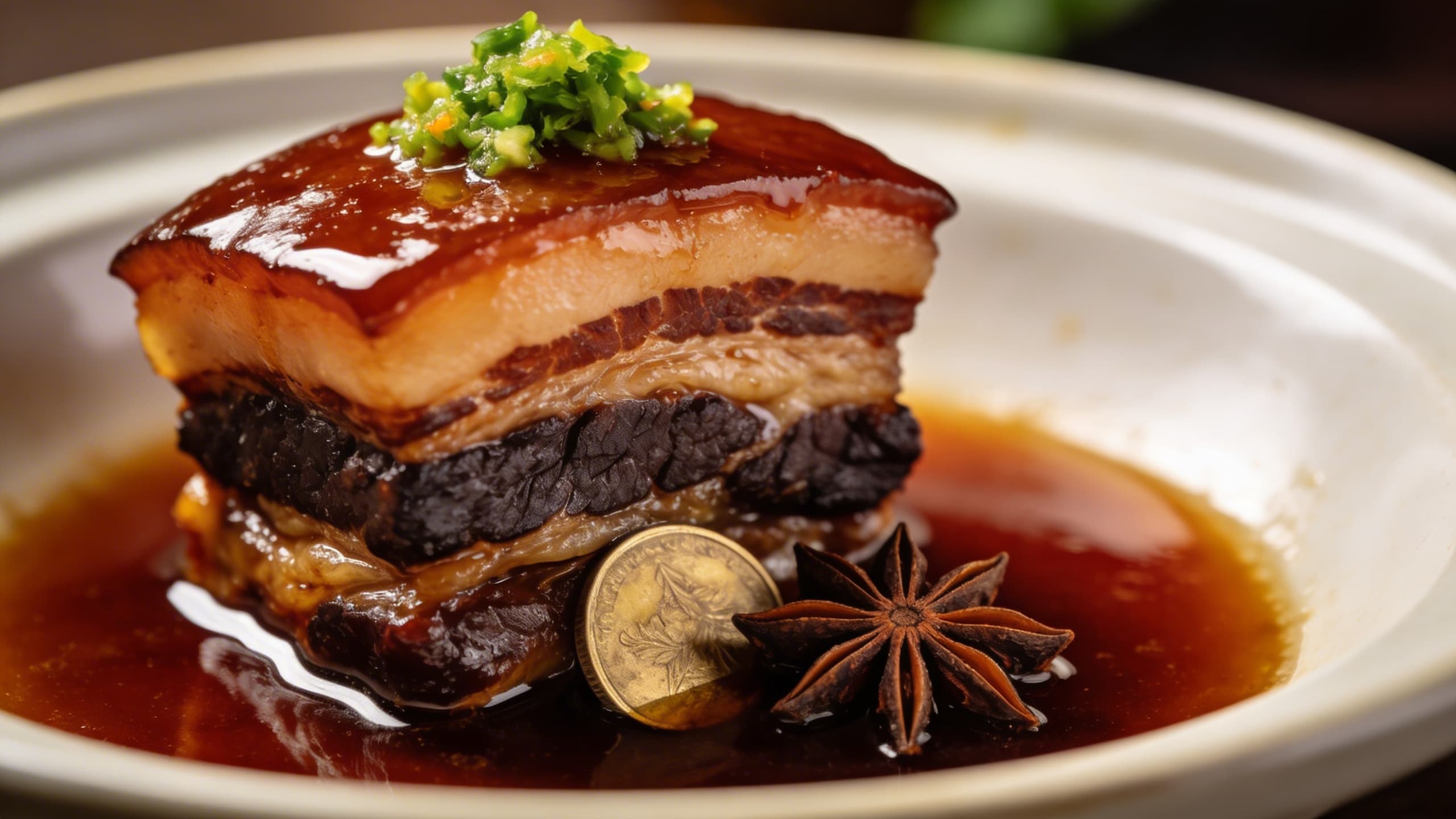
Unlike ginger, which softens and almost melts into a sauce, galangal remains defiant. It is fibrous and tough, packed with cineole and eugenol—compounds that give it that signature "medicinal" and "pine" aroma. When introduced to a long braise, like a classic Stufato or a rich pork belly, these compounds don't just add heat; they cut through fat with surgical precision.
Fusion is not about erasing the past; it’s about finding the hidden harmonies between the ancient and the new.
However, this daring marriage isn't without its casualties. I’ve spent many late nights in the lab fixing dishes that went "too medicinal" or "too woody." Here are the five most common pitfalls I’ve encountered when bringing galangal into the Italian kitchen, and how you can master them.
1. The "Wood Chip" Texture Trap
The most common mistake is treating galangal like ginger. If you mince it and toss it into a risotto, your guests will feel like they are chewing on pencil shavings. Galangal does not soften with cooking.
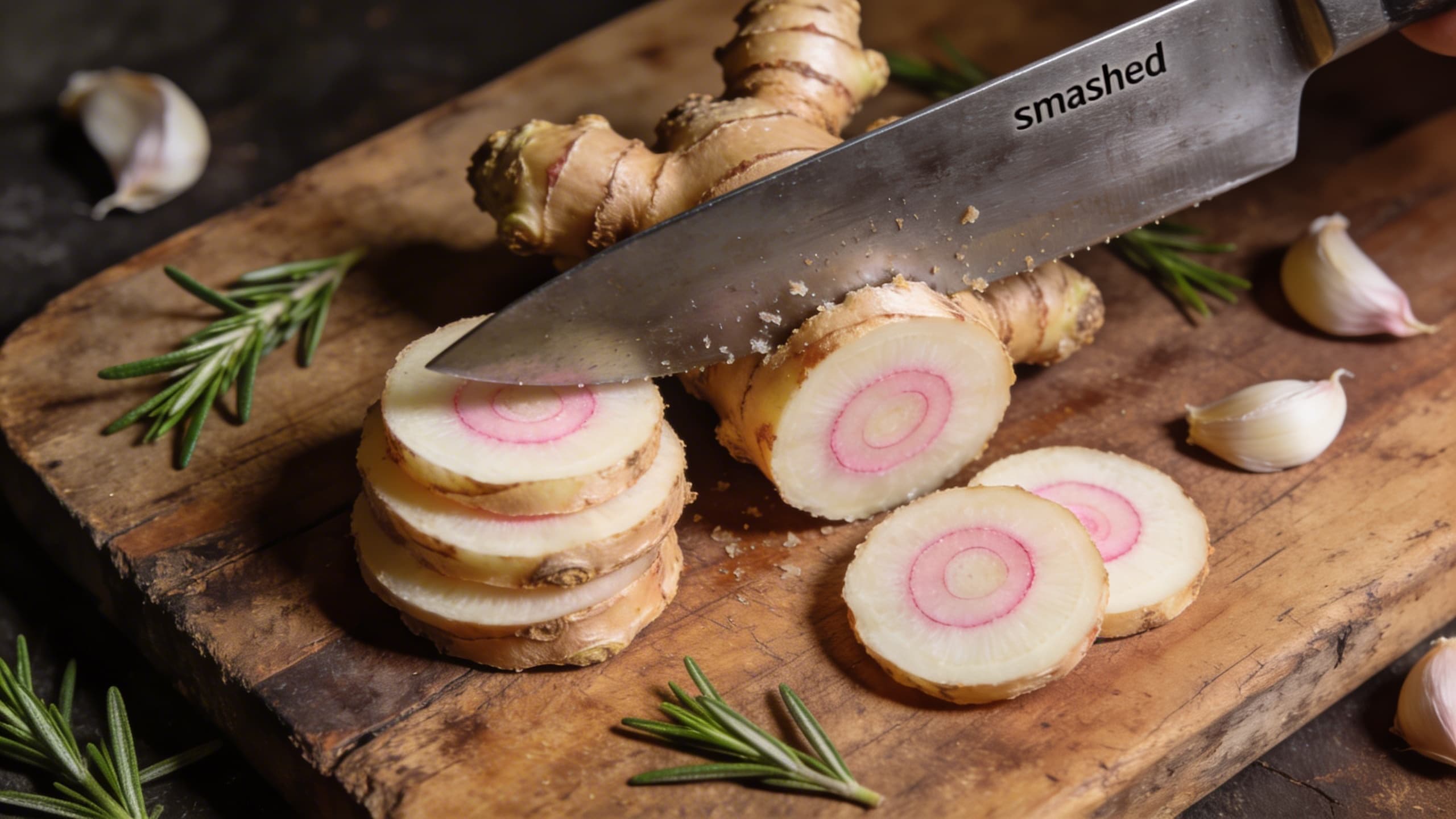
The Fix: Use the "Smashed Infusion" technique. Slice the galangal into thick coins and smash them with the side of your knife to break the cell walls. Add them to your soffritto or broth, but—and this is key—remove them before serving. Think of them like bay leaves on steroids.
2. Overpowering the Delicate Soffritto
Italian cooking relies on the holy trinity of onion, celery, and carrot. Galangal is a loud guest. If you add too much, you lose the "provenance" of the Italian base, and the dish turns into a confused Thai curry.
The Fix: Balance the "Fire" with "Fat." If I’m making a galangal-infused veal braise, I increase the amount of butter or pancetta. The fat coats the palate and allows the galangal’s citrus notes to shine through without the sharp, peppery bite taking over.
Tip: Start with a 1-inch piece of galangal for every 2 pounds of meat. You can always add a pinch of dried galangal powder at the end if you want more "soul," but you can’t take the fresh intensity away.
3. The Risotto "Soapiness"
In a risotto, the starch from the Arborio or Carnaroli rice can sometimes trap the floral notes of galangal, making the dish taste strangely like perfume or soap. This usually happens when the galangal is added too late in the process.
The Fix: Infuse your stock, not the rice. Simmer your chicken or vegetable broth with galangal coins for at least 30 minutes before you even touch the rice. This creates a "Vibrant" base that weaves the flavor into the grain rather than sitting on top of it.
Pro Tip: For a truly elite fusion risotto, deglaze your rice with a dry Vermouth instead of white wine. The botanicals in the Vermouth create a bridge between the galangal and the rice.
4. Clashing Acids
In Italian slow cooks, we often use red wine or tomatoes for acidity. Galangal has a natural lemony brightness. If you use a high-acid tomato like a San Marzano alongside heavy galangal, the dish can become unpleasantly tart.
The Fix: Lean into "Earth" rather than "Acid." When using galangal, I swap red wine for a fortified wine like Marsala or a dark Sherry. The sweetness and nutty depth of these wines provide a "Harmony" that anchors the galangal’s flighty citrus notes.
5. Ignoring the Garnish
A slow cook is deep and heavy. Galangal is bright and sharp. If you don't bridge that gap at the end, the dish feels unfinished.
The Fix: The "Fusion Gremolata." Traditional gremolata is parsley, lemon zest, and garlic. Replace half the lemon zest with finely grated fresh galangal (use a microplane for a snow-like texture). This creates a "Key Takeaway" moment for the diner, connecting the hidden flavors of the braise to the first bite.
Final Thoughts from the Lab
Respect the ingredient. Galangal is a traveler; it has crossed the Silk Road to meet your copper pots. When you treat it with the same reverence you give a 24-month aged Parmigiano or a bunch of fresh basil, the results are soulful and transcendent.
Key Takeaway: Galangal is a slow-release aromatic. To use it in Italian cooking, treat it as a structural element of your broth or fat-base, remove the physical pieces before plating, and always balance its fire with rich, fatty textures.
Taste the history, and don't be afraid to let your kitchen be the laboratory where these two worlds finally meet.
#fusioncooking #galangal #italiancuisine #chefhacks #culinaryscience