

The Whisper of the Zest: Reimagining Gremolata for the Global Palate
How I learned to cook through the lens of a simple Italian trinity.

The Zest of Antiquity: How I Found My Voice in the Gremolata Bowl
Cooking is rarely about the grand gestures; it is about the whispers. For years, I chased the loud flavors—the heavy reductions, the aggressive spices, the complex fermentations. But my journey as a chef truly began when I stopped trying to drown out the ingredients and started listening to the subtle hum of the Gremolata.
In the traditional kitchens of Lombardy, gremolata is the silent partner to Osso Buco alla Milanese. It is a simple trinity: flat-leaf parsley, lemon zest, and garlic. Yet, within that triad lies a masterclass in flavor chemistry. The parsley provides a verdant, earthy base; the lemon zest releases essential oils (limonene) that cut through fat; and the raw garlic offers a pungent, sulfurous bite that wakes up the palate.
Great cooking is about technique, not complexity. It is about knowing when a dish needs a shout, and when it needs a whisper.
The Fusion Epiphany: When Milan Met the Smokehouse
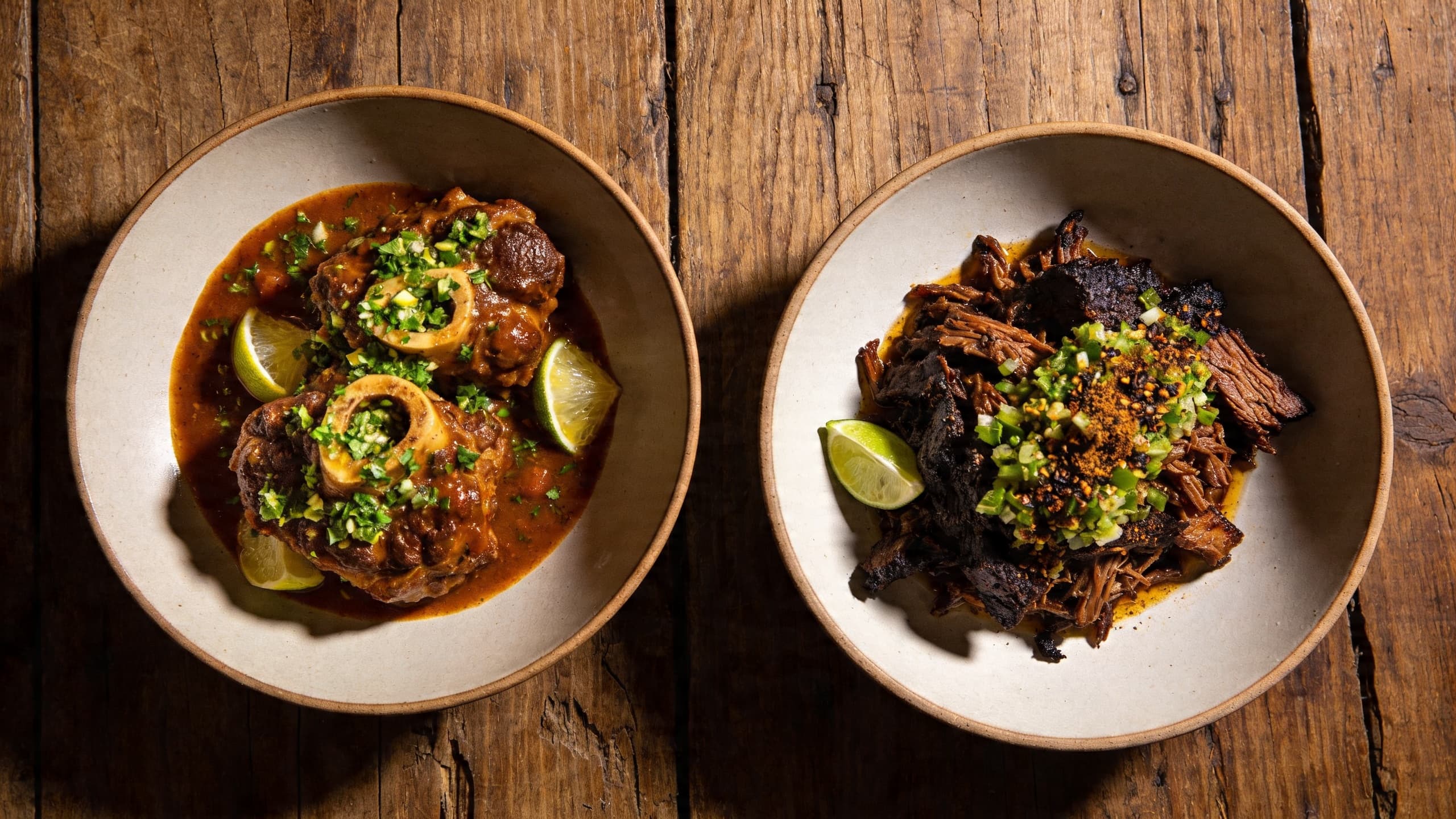
My "Aha!" moment happened not in a Michelin-starred kitchen, but over a pit of smoldering hickory. I was experimenting with a Smoked Mediterranean Lamb Barbacoa. The lamb was rich, fatty, and deeply infused with the soul of the wood fire. It was delicious, but it was heavy. It lacked... provenance.
I reached for my heritage. I whipped up a classic gremolata, but the traditional version felt too polite for the aggressive smoke of the lamb. I started to iterate. I swapped the lemon for charred lime zest to echo the smoke. I added a pinch of toasted cumin to bridge the gap between the Mediterranean and the Americas.
The result? Absolute harmony. The gremolata didn't just sit on top of the lamb; it acted as a chemical catalyst, breaking down the richness and making every bite feel as vibrant as the first.
5 Actionable Tips to Avoid Muddled Flavors
Through my trial and error, I’ve learned that the difference between a "vibrant finisher" and a "muddled mess" comes down to five critical rules:
- The "Bone Dry" Rule: Never chop wet parsley. If there is moisture on the leaves, you aren't chopping; you're bruising. The result is a dark, swampy paste instead of bright green flecks.
- Zest, Don't Peel: Use a microplane to get only the colored part of the citrus. The white pith is bitter and will ruin the delicate balance of the oils.
- Micro-Mincing Garlic: Raw garlic can be overwhelming. I find that mincing it into a near-paste allows it to distribute evenly so you don't get a "garlic bomb" in one bite.
- The 15-Minute Window: Gremolata is a living thing. The garlic begins to oxidize and the parsley begins to wilt the moment they are cut. Make it fresh and serve it within 15 minutes for maximum aromatic impact.
- Balance the Bridge: When doing fusion, always keep one "anchor" ingredient from the original triad. If you swap parsley for cilantro, keep the lemon. If you swap lemon for yuzu, keep the parsley.
Technique Callout: The "Pulse" Chop
Pro Tip: When preparing your herbs, avoid the "see-saw" motion with your knife. Instead, use a very sharp chef's knife and a single, clean downward stroke. This preserves the cell structure of the parsley, keeping the flavor locked inside the leaf until it hits your tongue.
Reimagining the Trinity: A Global Map
Once you respect the lineage of the gremolata, you can begin to dare. Here are a few "Personal Trials" from my kitchen lab that have stood the test of time:
- The Caribbean Twist: Swapping parsley for cilantro and lemon for orange zest. This is transformative on grilled snapper or any white fish.
- The Aegean Soul: Adding finely chopped capers and dried oregano to the classic mix. This creates a salty, briny punch that is incredible on roasted potatoes.
- The Silk Road Finish: Using lime zest, mint, and a touch of pulverized sumac. This is my go-to for any dish involving yogurt or charred eggplant.
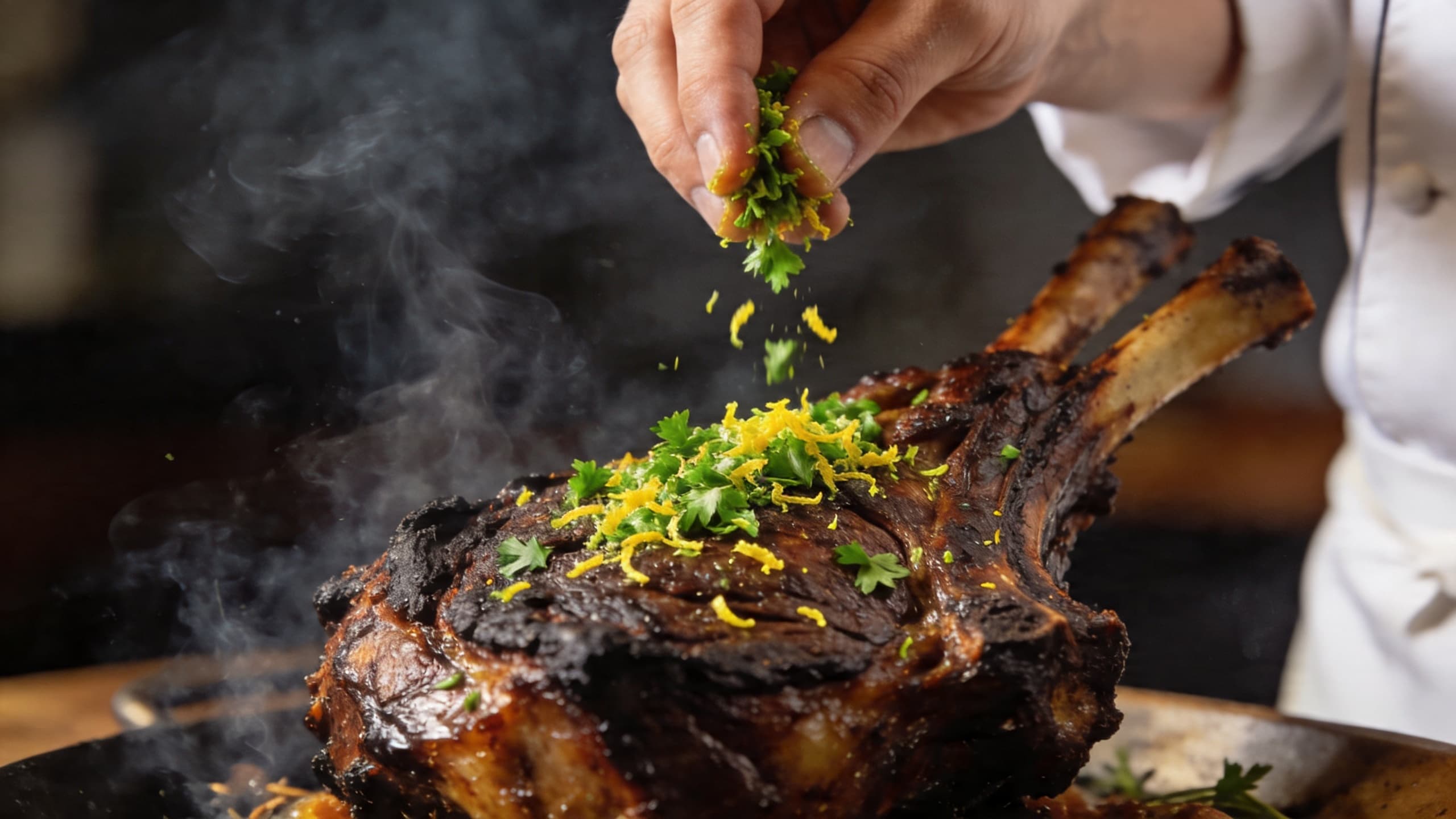
Key Takeaway: Gremolata is the ultimate "low effort, high reward" tool in your culinary arsenal. It teaches us that flavor isn't just about what you cook; it's about how you finish.
Respect the ancient roots, but don't be afraid to plant them in new soil. Taste the history, and then make it your own.
#gremolata #fusioncooking #chefxi #culinarytips #italianheritage