

The Soul of the Shank: 5 Braising Fixes for Melt-in-Mouth Veal
5 Common Braising Pitfalls and the Bold Fusion Fixes for Perfect Osso Buco

The Soul of the Shank: Beyond the Milanese Tradition
Braising is more than a technique; it is a conversation with time. In the bustling kitchens of my youth, Osso Buco was a sacred rite—the marrow-filled center of a veal shank promising a richness that no other cut could replicate. But as I journeyed from the cobblestones of Milan to the vibrant markets of Salvador and the coastal breezes of Southeast Asia, I realized that the "perfect" braise isn't just about following a 100-year-old script. It’s about understanding the essence of the meat while daring to introduce it to new companions.
However, even the most seasoned home cooks often find themselves staring at a pot of tough, grey meat or a sauce that feels "thin" despite hours of simmering. Braising veal is a delicate dance of temperature, moisture, and aromatics. If you've ever felt your Osso Buco lacked that "melt-in-mouth" magic, you aren't alone. I’ve had my share of near-misses—pots that boiled over when they should have whispered, and seasonings that clashed like cymbals.
1. The "Boiling" Blunder: Why Your Meat Stays Tough
The most common pitfall I see is the "boil." We often think high heat equals faster tenderness, but with veal shanks, the opposite is true. Veal is lean and full of connective tissue (collagen). If the braising liquid reaches a rolling boil, the muscle fibers seize up and squeeze out their moisture before the collagen has a chance to melt into silky gelatin.
Tip: Look for the "lazy bubble." Your braise should show only one or two small bubbles breaking the surface every few seconds. This gentle heat (around 180°F to 190°F) is the secret to provenance-level tenderness.
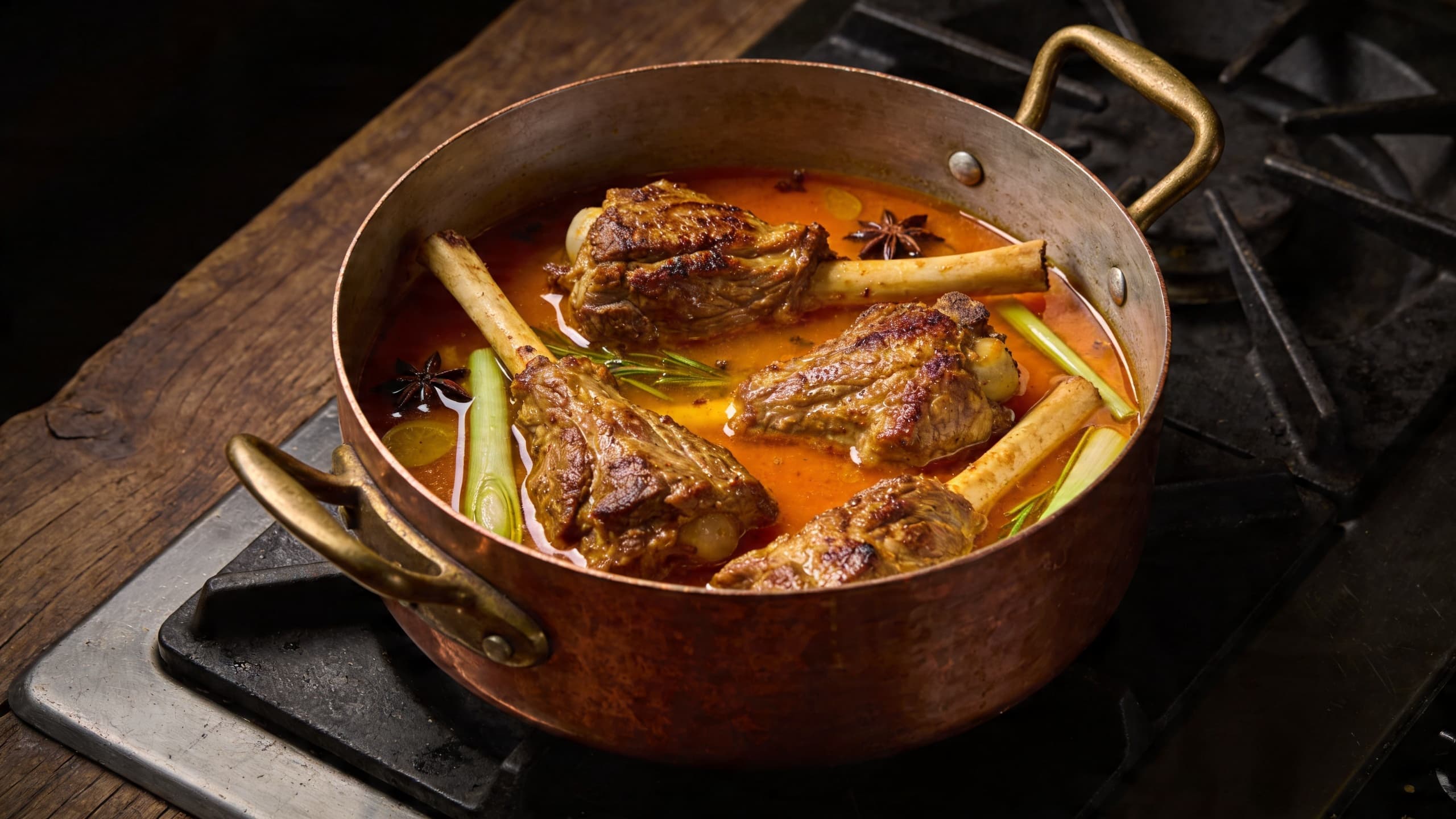
2. The Fusion Fix: Balancing Fat with Dendê Oil
In traditional Italian cooking, we rely on olive oil or butter. But when I first experimented with Dendê (Palm) Oil, I discovered a bold new world. Dendê adds a vibrant orange hue and a nutty, earthy depth that complements the mildness of veal perfectly. The pitfall here? Using too much. Dendê is potent; it can overwhelm the dish if not respected.
Pro Tip: Replace only one-third of your initial searing fat with Dendê oil. It provides a "soulful" foundation that bridges the gap between the Mediterranean and the Tropics without losing the meat's integrity.
3. The "Thin Sauce" Syndrome: Achieving Body Without Heaviness
Many home cooks rely solely on flouring the meat to thicken the sauce. While traditional, it often leads to a "pasty" mouthfeel. The real secret to a vibrant sauce is the reduction and the inclusion of natural emulsifiers.
Great cooking is about technique, not complexity. The body of your sauce should come from the melted marrow and the slow breakdown of vegetables, not a bag of flour.
4. The Acid Trap: Coconut-Lime Harmony
Italian Osso Buco traditionally uses dry white wine and lemon zest (Gremolata) for acidity. A common mistake is adding the acid too early or using a harsh vinegar that "cooks" the meat's exterior, preventing tenderness. My "fusion fix" for this? A coconut-lime balance.
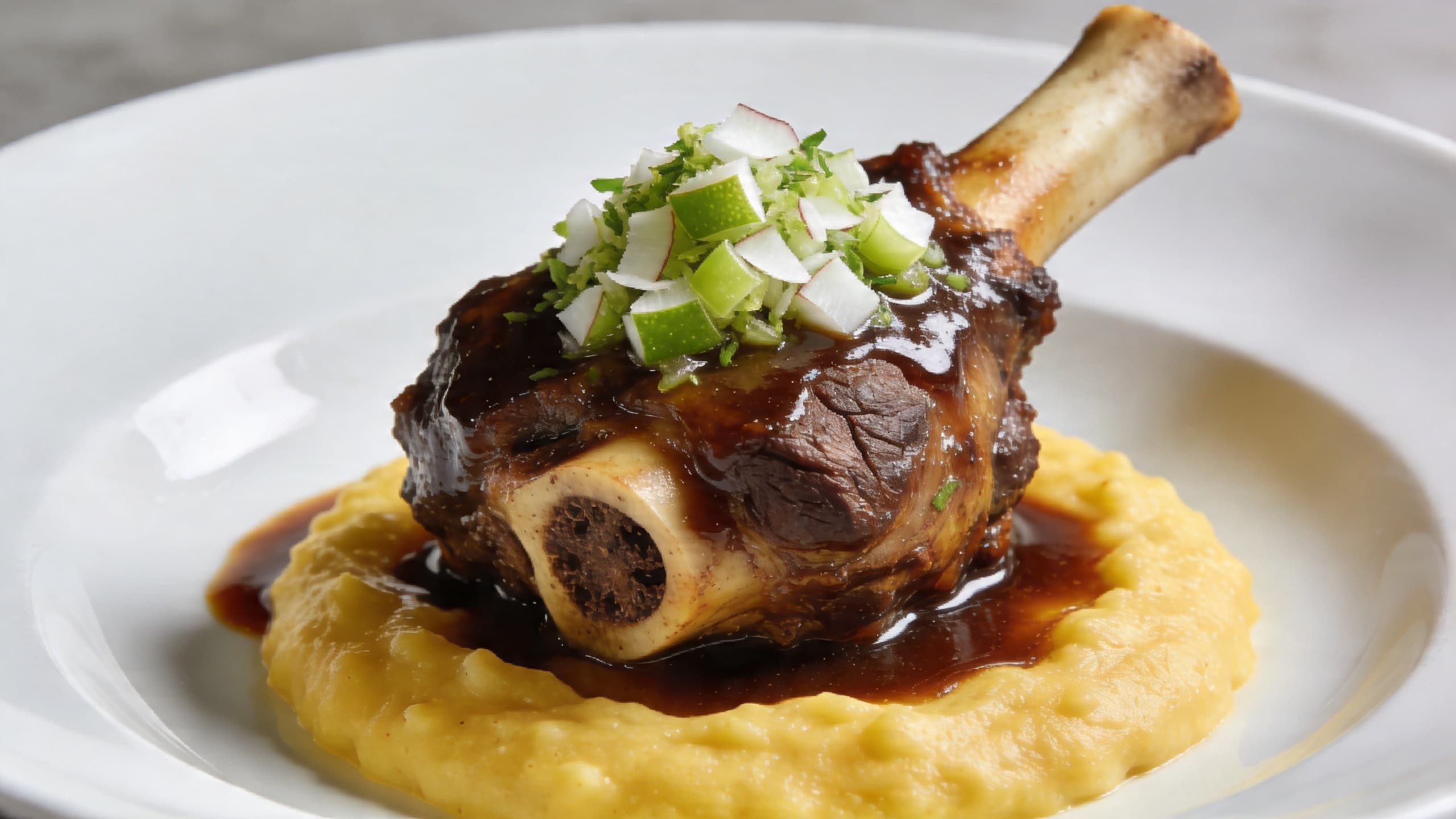
By introducing a small amount of full-fat coconut milk toward the end of the braise and finishing with fresh lime juice, you create a velvety texture that cuts through the richness of the marrow. It’s a nod to the flavors I encountered in Thailand, yet it respects the "harmony" of the Italian original.
5. Neglecting the "Rest": The Final Triumph
The meat is tender, the sauce is glossy—don't ruin it by serving immediately! If you pull the shanks out of the hot liquid and plate them instantly, the steam evaporates, leaving the meat dry.
Key Takeaway: Let your braise rest in its liquid for at least 20 minutes before serving. This allows the muscle fibers to reabsorb the flavorful juices, ensuring every bite is succulent.
Respecting the Lineage
Every time I stand over a simmering pot, I remember that ingredients are the ink and the plate is the page. Whether you stick to the classic Milanese path or venture into the bold infusions of Dendê and coconut, remember that patience is your greatest tool. Taste the history in every spoonful, and never be afraid to let your kitchen be a place of global exchange.
Warning: Never let your braising liquid disappear! Check the pot every 45 minutes. If it gets too low, the top of the meat will dry out and become "stringy." Always keep the liquid halfway up the sides of the shanks.
#braisingtips #ossobuco #fusioncooking #chefxi #kitchenhacks