

The Science of the Soulful Sear: 7 Braising Pitfalls and Their Fusion Fixes
Bridging Italian Heritage and Global Science for the Perfect Slow-Cook

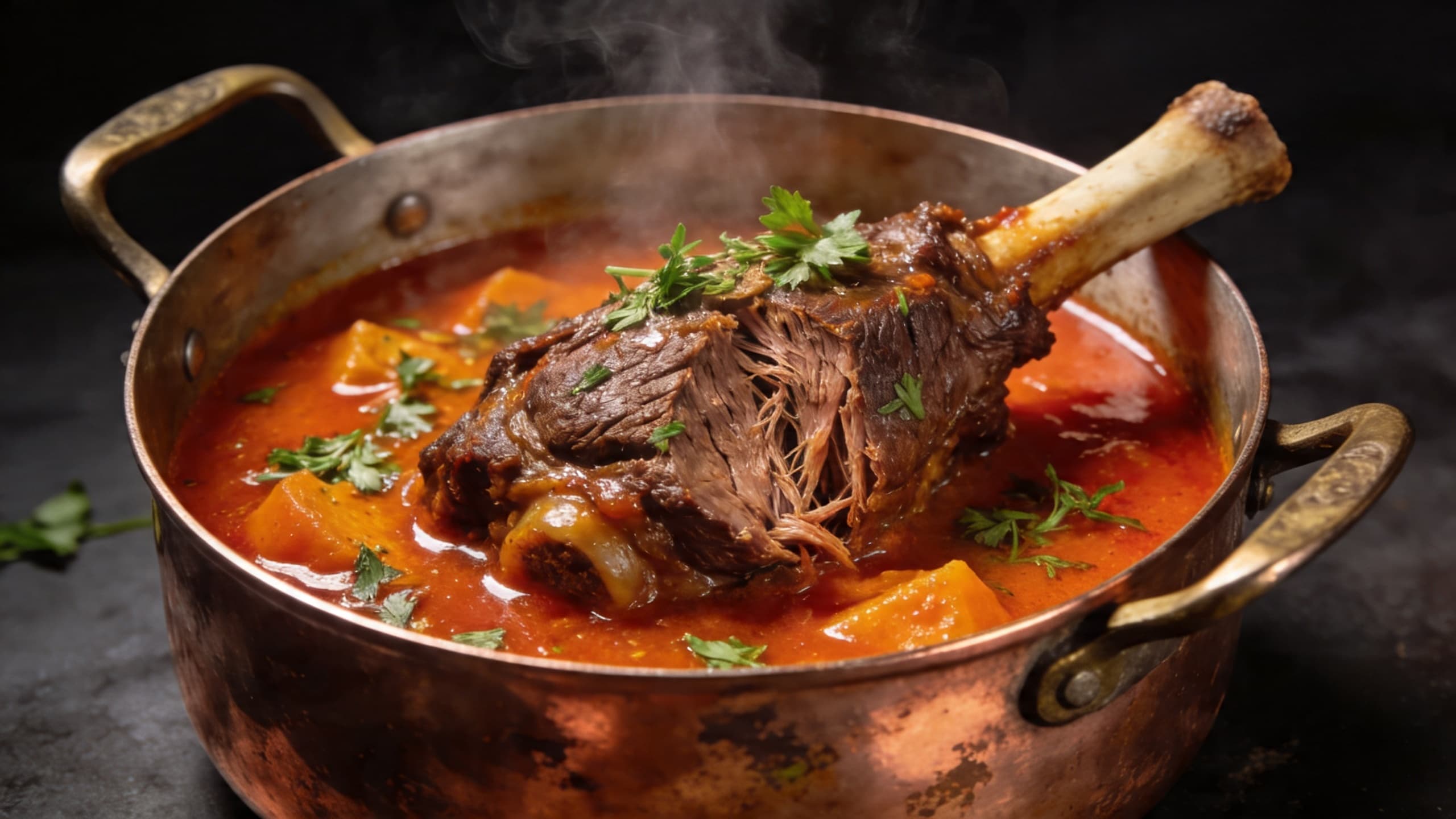
The kitchen is a laboratory of legacy. When I stand over a heavy copper pot, I’m not just making dinner; I’m negotiating with history. On one side, the ghost of my grandmother whispers the secrets of Osso Buco—the necessity of the marrow, the patience of the soffritto. On the other, my nomadic soul urges me to introduce the vibrant, smoky intensity of Brazilian dendê (red palm oil) or the earthy hum of West African spices.
But let’s be honest: braising is where many dreams of "melt-in-your-mouth" perfection go to die. We’ve all been there—expecting a fork-tender masterpiece and ending up with a gray, stringy pile of disappointment. In my early days of experimenting with fusion, I once treated a beautiful beef shank like a quick-sear steak. The result? A "disaster" that tasted like a leather boot soaked in expensive wine.
That failure taught me that braising isn't just a recipe; it's a biological transformation. To honor the animal and the craft, we must understand the science of the "tough." Here is how we bridge the gap between Italian heritage and global innovation by fixing the seven most common braising pitfalls.
1. The "Boiling" Blunder: Temperature vs. Texture
The biggest mistake is thinking "more heat equals faster tenderizing." Science tells us otherwise. Collagen—the connective tissue that makes cuts like shank or shoulder tough—doesn't just melt; it transforms into gelatin. This process starts around 160°F (71°C) but peaks between 180°F and 200°F.
If your braising liquid is at a rolling boil (212°F), you aren't tenderizing; you're tightening. The muscle fibers contract, squeezing out moisture before the collagen has a chance to soften.
Pro Tip: Keep your braise at a "lazy bubble." If you see more than a few bubbles breaking the surface every few seconds, turn it down. A slow, steady 190°F environment is the "sweet spot" for nutrient retention and silken texture.
2. Neglecting the "Healthy Swap" Foundation
Traditional braises often rely on heavy fats or high-sodium stocks. While Italian tradition loves its butter, my fusion philosophy looks for Nutrient-Dense Alternatives. Instead of reaching for more salt, I use the "Umami Fusion" technique.
The Nutrition Fix:
Replace half your beef stock with a mix of miso paste (Japanese influence) and tomato water (Italian essence). Miso adds a deep, fermented richness that mimics long-aged fats without the heavy saturated load. Plus, the probiotics in miso—while mostly lost to heat—still contribute a complexity that reduces the need for added salt.
Did You Know? Braising actually helps unlock certain nutrients. The slow heat makes minerals like calcium and magnesium more bioavailable as they leach into the sauce from the bone marrow.
3. The "Dry Meat in Wet Sauce" Paradox
Have you ever pulled meat out of a pot of liquid only for it to feel dry in your mouth? This happens when you don't allow for Resting in the Jus. When meat is hot, the fibers are expanded. If you pull it out immediately, the moisture evaporates instantly.
Great cooking is about technique, not complexity. The silence of the rest is as important as the sizzle of the sear.
4. Fear of the "Exotic" Oil Infusion
Many chefs stick to olive oil for browning, but Italian heritage can handle a global handshake. In my "Dendê Discovery," I found that the high smoke point and beta-carotene-rich profile of red palm oil creates a crust that olive oil can't match.
The pitfall? Using too much. Dendê is potent.
Warning: Dendê oil is incredibly flavorful but can overwhelm. Use a 70/30 mix of neutral avocado oil and dendê to get that smoky, earthy "soul" without masking the wine and aromatics of your braise.
5. The Acid Imbalance
Italian braises rely on wine; Mexican braises rely on citrus or vinegar. A common pitfall is adding acid too late. Acid helps break down those tough fibers, but it also balances the "heaviness" of the gelatin.
The Fix: Use a "Dual-Acid" approach. Use a dry Italian red (like Nebbiolo) for the long cook, then finish with a bright splash of lime or calamansi juice right before serving. This "wakes up" the flavors that have been dulled by hours of heat.
6. Over-crowding the Sear
Respect the lineage of the sear! If you crowd the pot, you’re steaming, not browning. Without the Maillard reaction (that golden-brown crust), you lose the "Essence" of the dish.
- Sear in batches.
- Use high-carbon steel or cast iron.
- Don't move the meat until it releases naturally from the pan.
7. Ignoring the "Vibrant" Gremolata Finish
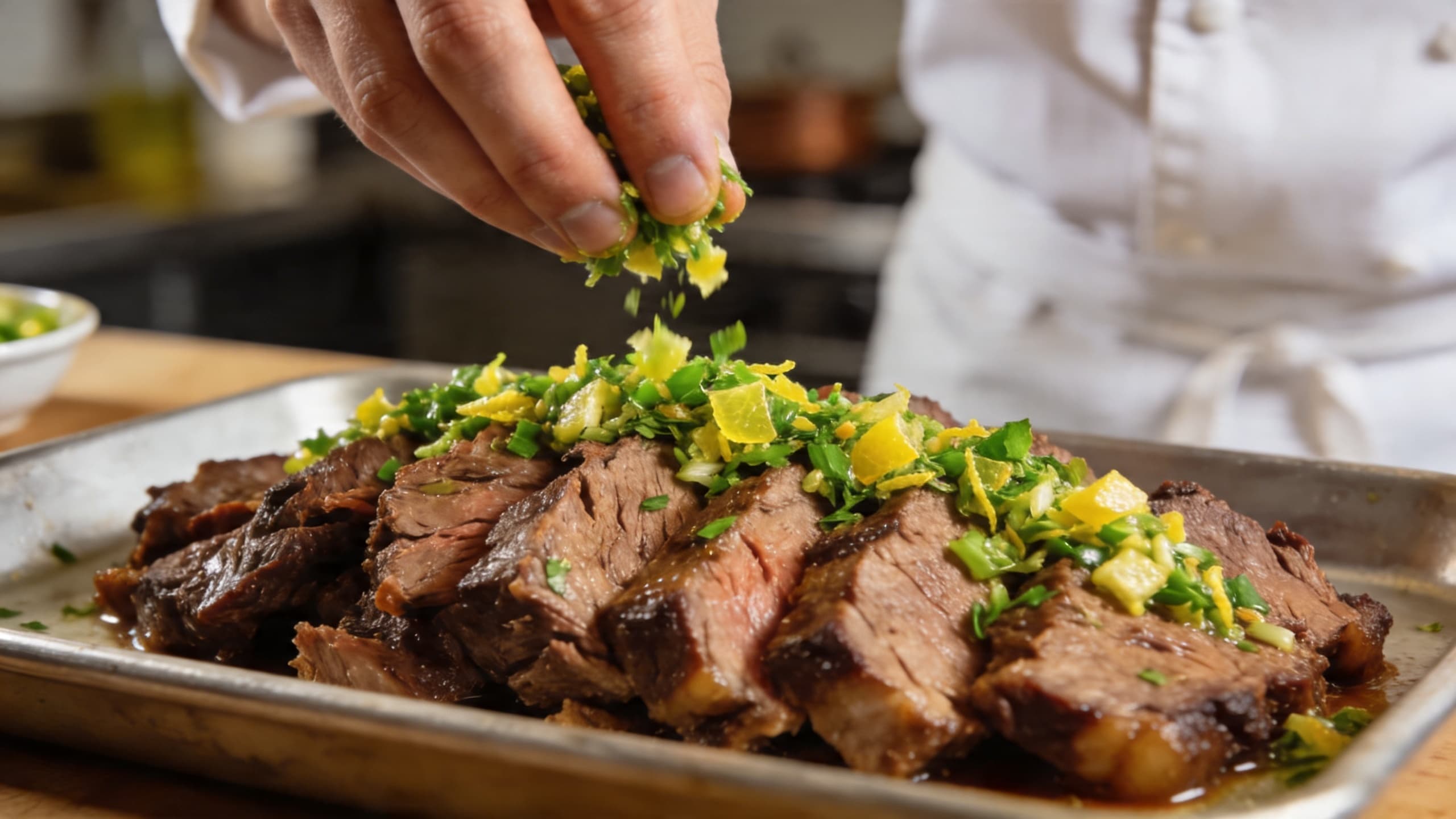
A braise is a "brown" dish. It needs a "green" soul. The classic Italian gremolata (lemon zest, garlic, parsley) is perfect, but we can push it further to aid digestion and add nutrition.
The Fusion Gremolata:
- Italian: Lemon zest & Parsley
- Global: Fresh Ginger & Toasted Sesame
- Why? Ginger contains zingibain, an enzyme that further aids in protein digestion, making that heavy meal feel lighter on the stomach.
Key Takeaway: Braising is a slow conversation between the pot and the protein. By controlling your temperature, swapping in nutrient-dense umami, and finishing with digestive-friendly aromatics, you transform a "tough cut" into a legacy-worthy feast.
Taste the history. Respect the science. And never be afraid to let a little smoke from another world into your Italian kitchen.
#braising #culinaryscience #fusioncuisine #healthycooking #chefxi