

The 'Nduja Balance: 5 Pitfalls to Avoid When Marrying Heat and Seafood
Mastering the Balance of Calabrian Heat and Coastal Sweetness

The Fiery Soul of Calabria Meets the Sea
In my kitchen, ingredients are more than just fuel; they are the ink, and the plate is my page. Today, we’re dipping our pens into the vibrant, crimson ink of 'Nduja. This spreadable, fermented pork salume from Spilinga is a masterpiece of Calabrian heritage. It’s born from a marriage of fatty pork cuts and a staggering amount of local chilies—sometimes up to 30% of the total weight—which act as a natural preservative during the fermentation process.
But here is where the "fusion soul" dares to wander: pairing this aggressive, funky, spicy powerhouse with the delicate, sweet profile of seafood like shrimp. It’s a high-stakes culinary wedding. Done right, it’s a symphony of heat and brine; done wrong, it’s a muddy, oily mess that hides the very provenance of the ingredients we respect.
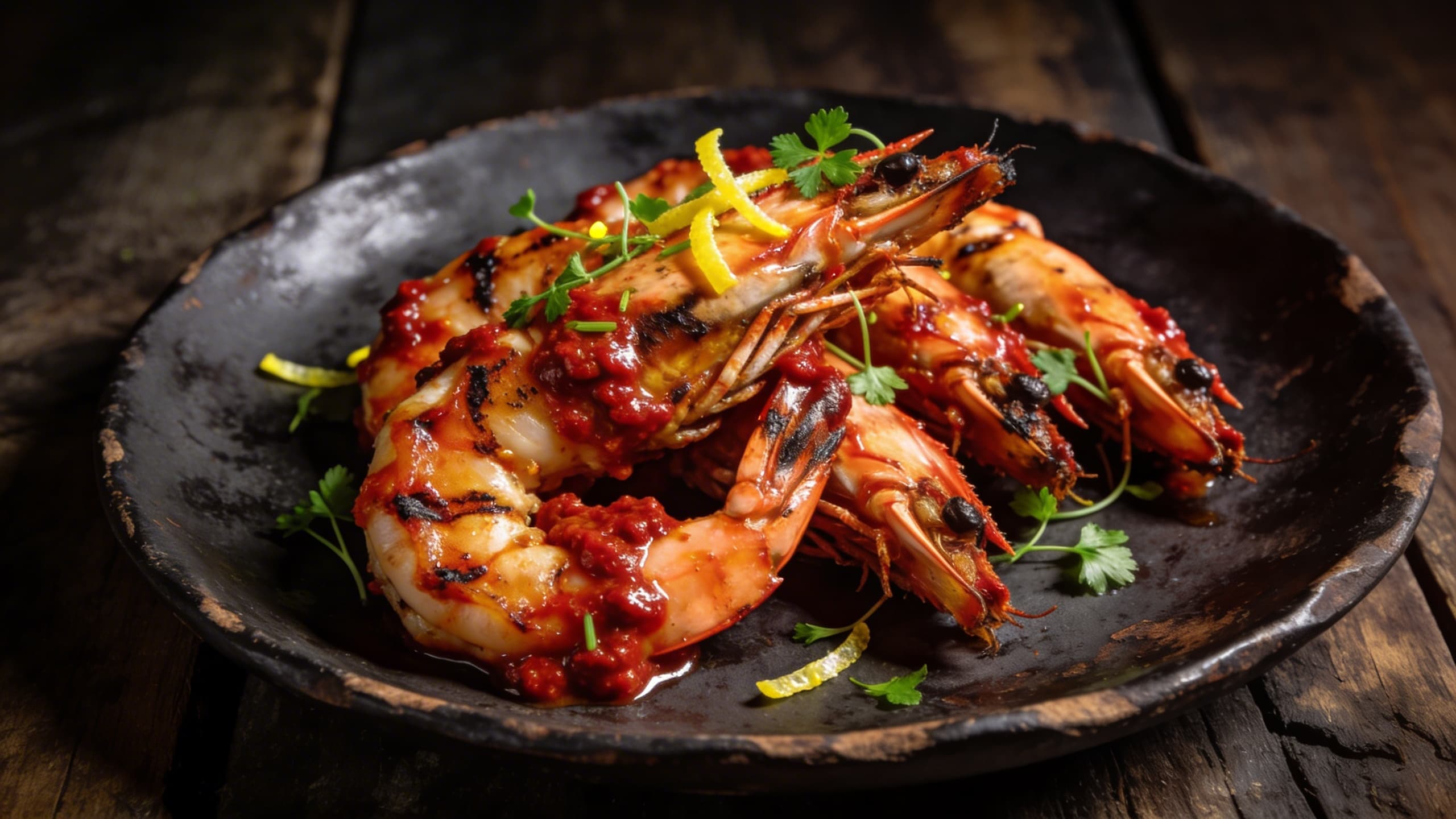
1. The "Cold Start" Catastrophe
The most common mistake I see is treating 'nduja like a standard cold cut. Because of its high fat content (often 50% or more), 'nduja needs to "bloom." If you toss cold chunks of 'nduja into a pan with raw shrimp, the shrimp will overcook long before the 'nduja has rendered its spicy oils and emulsified into a sauce.
Tip: Always start by melting your 'nduja in a warm (not screaming hot) pan with a teaspoon of olive oil. Watch it transform from a paste into a vibrant, translucent "liquid gold" before the protein ever touches the pan.
2. Ignoring the Fermented Funk
'Nduja isn't just spicy; it’s fermented. This means it carries a lactic tang and a deep, meaty umami that can easily overwhelm the "clean" taste of shrimp or scallops. If you don't provide a counter-acid, the dish feels heavy and "one-note."
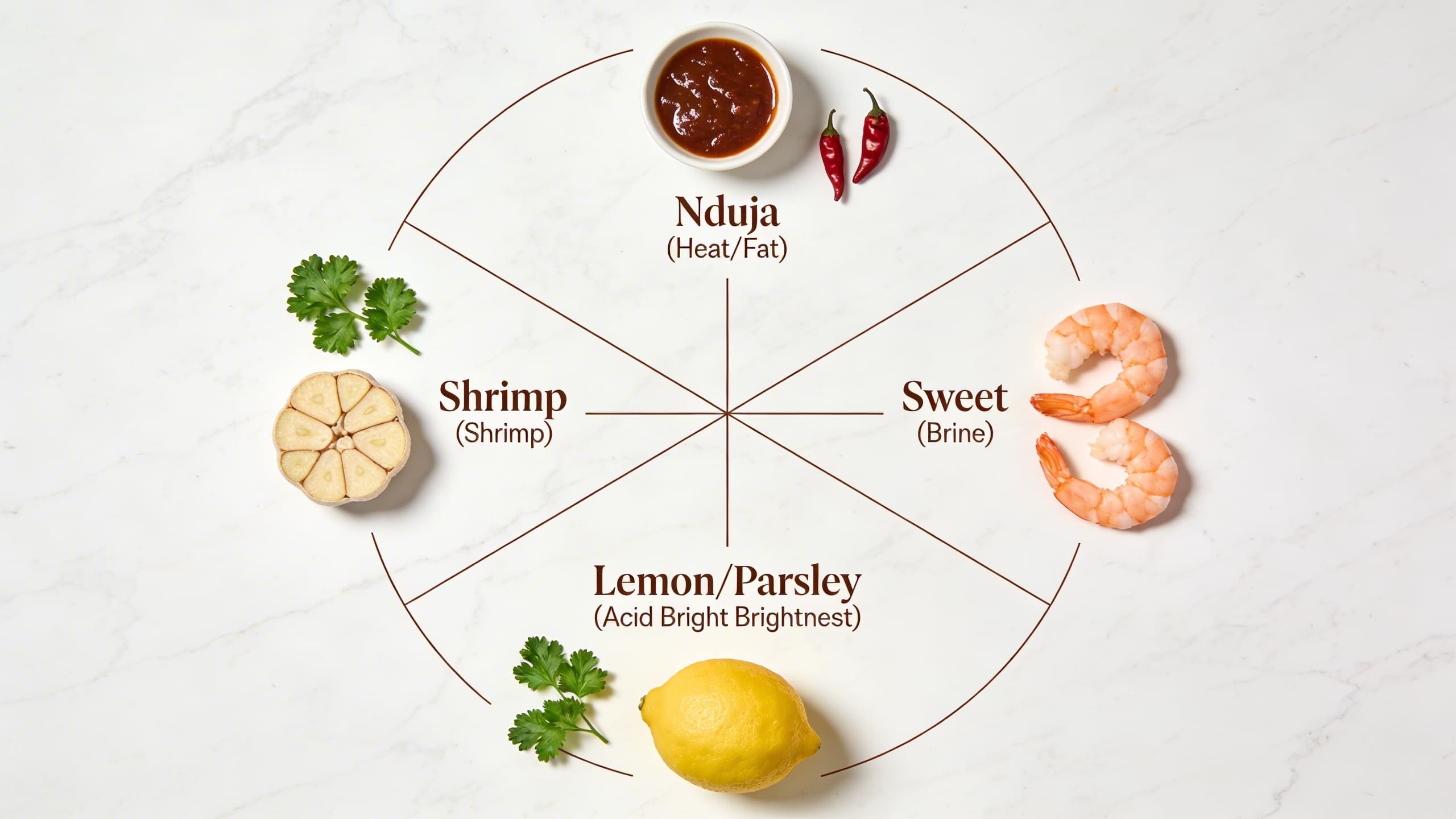
Pro Tip: This is where the Lemon-Parsley Spark comes in. I’ve found that a heavy hand with fresh lemon zest at the very end—not just the juice—cuts through the pork fat and "lifts" the 'nduja, allowing the sweetness of the shrimp to resurface.
“Respect the lineage of the chili, but never let it silence the whisper of the sea.”
3. The Salt Overload Trap
Remember: 'Nduja is a cured product. It is heavily salted to survive the aging process. If you season your shrimp with your usual amount of kosher salt before adding them to an 'nduja base, you are headed for a salt bomb.
- Taste a tiny bit of your 'nduja first—salinity varies by producer.
- Season your seafood with only 25% of the salt you think it needs.
- Finish with a flaky sea salt (like Maldon) only after tasting the final emulsion.
4. Drowning the Texture
'Nduja is essentially a spicy fat. Shrimp, especially when sautéed, release a small amount of moisture. If you don't manage this ratio, you end up with a broken, greasy sauce that slides off the protein rather than coating it.
Did You Know? The secret to a perfect 'nduja-seafood emulsion is a splash of "pasta water" or a dry white wine like Vermentino. The starch or acidity helps bind the rendered pork fat into a silky glaze that clings to the shrimp.
5. Overcrowding the Flavor Migration
In my trials with Mole-Rubbed Osso Buco and Thai-Basil Feijoada, I learned that fusion requires a "bridge." When marrying 'nduja to seafood, don't add too many other loud voices. Garlic is fine, but ginger or heavy rosemary will clash with the specific Calabrian chili profile.
The Lifestyle of Balanced Heat
Building a cooking routine isn't just about following recipes; it's about understanding the Essence of your pantry. When you bring a jar of 'nduja into your home, you aren't just buying a condiment; you're buying a piece of history. Using it to elevate a simple Tuesday night shrimp stir-fry is how we keep these traditions alive while moving them forward.
Key Takeaway: Balance is not a destination; it's a practice. When working with high-impact ingredients like 'nduja, always look for the "spark" (acid), the "soul" (the protein), and the "legacy" (the spice).
Warning: Never use high heat when blooming 'nduja. The high sugar content in some chilies can scorch, turning your beautiful red sauce bitter and dark. Low and slow is the path to harmony.
Taste the history. Respect the lineage. And most importantly, let the flavors speak.
#nduja #seafoodfusion #italiancooking #chefxi #culinaryscience