

The Global Food Paradox: Real World Problems on Your Plate
Why the future of global food security starts on your cutting board.

The Invisible Crisis in Our Kitchens
We often look at the world’s problems through a telescope—focusing on distant conflicts or macro-economic shifts. But as someone who has spent fifteen years between the heat of the line and the quiet of the pantry, I’ve realized that some of our most pressing global challenges are sitting right on our cutting boards.
The way we eat today is at a crossroads. We are facing a paradox where nearly 2.3 billion people experienced moderate or severe food insecurity in 2024, yet according to the UN’s 2024 Food Waste Index, households are responsible for a staggering 60% of all food waste.
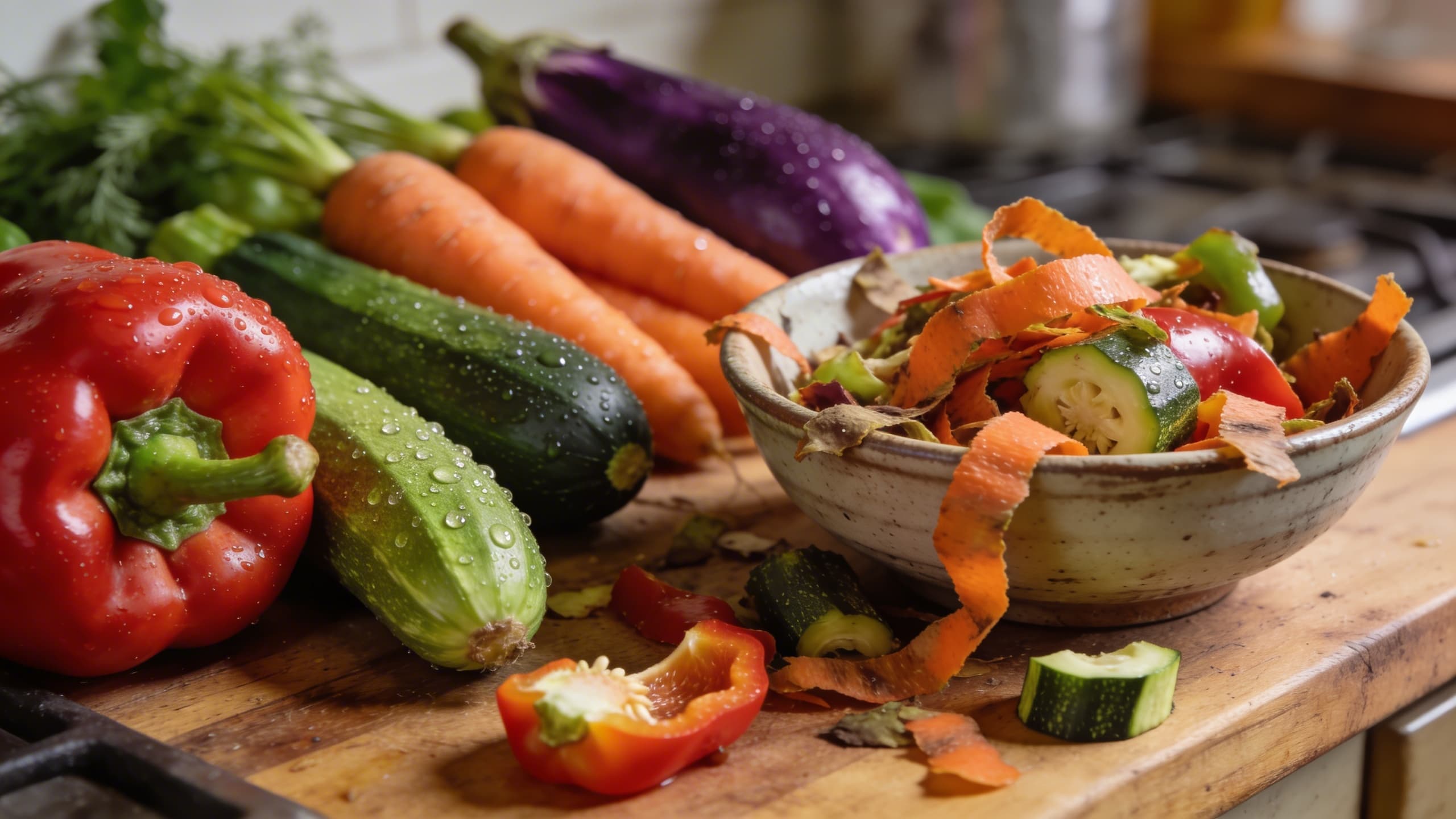
1. The Weight of What We Throw Away
In the United States alone, we discard approximately 92 billion pounds of food annually. That isn't just "trash"—it’s lost water, wasted labor, and a missed opportunity to nourish someone. When we toss a wilted bunch of herbs or a half-eaten loaf of bread, we are severing our connection to the provenance of that food.
The Fix: It starts with a shift in mindset. Treat your refrigerator like a pantry, not a graveyard. Practice "First In, First Out" (FIFO) and learn the art of the "everything soup" or "fridge-clearing pasta."
2. The Meat Paradox: Industrial vs. Regenerative
Our appetite for protein is driving a massive environmental footprint. Industrial factory farming is responsible for significant forest destruction and greenhouse gas emissions. However, the conversation is shifting toward regenerative grazing.

While not a magic bullet, regenerative practices aim to restore soil health and sequester carbon. As consumers, our "real world" contribution is choosing quality over quantity. Supporting local ranchers who prioritize soil health over high-speed turnover is a vote for the planet’s future.
3. Sourcing and the Silk Road Legacy
We live in an age where we can get dragon fruit in December and tomatoes in June, but this convenience comes at the cost of terroir and seasonal harmony. This global transport network contributes heavily to emissions and often exploits labor in the Global South.
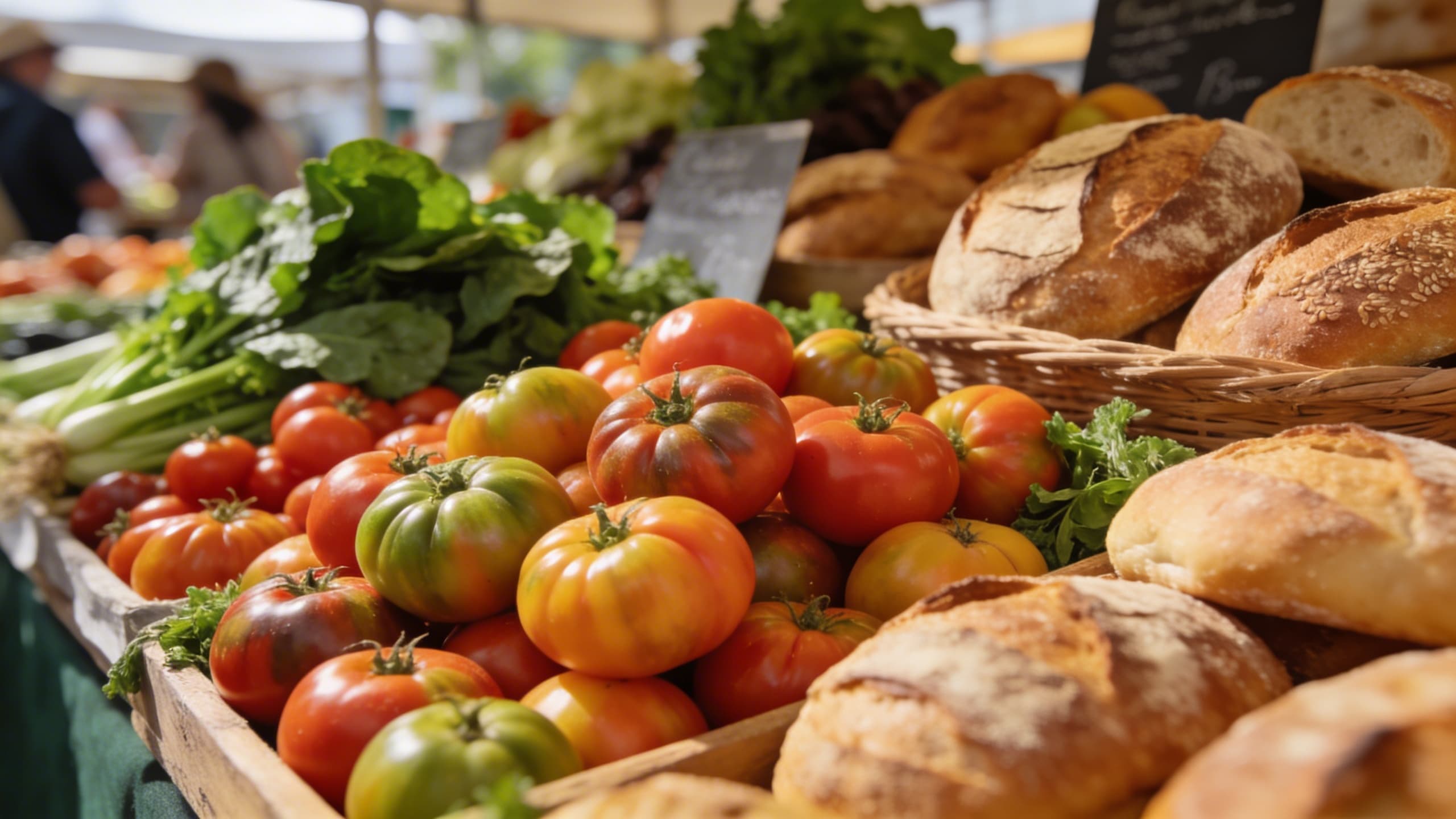
The Fix: Reconnect with your local food system. Visit farmers' markets. Understand what grows in your soil and when. There is a profound soulful satisfaction in eating a peach that only traveled ten miles to reach your hand.
The Plate is the Page
Every time we cook, we are writing a story. Are we writing a story of waste and indifference, or one of harmony and respect for the lineage of our ingredients?
The problems are real, and they are massive. But the solution begins with the small, intentional choices we make in our own kitchens. Respect the ingredient. Respect the earth. Taste the history.
What is one small change you’ve made in your kitchen to reduce waste or eat more sustainably? Let’s discuss in the comments.