

Tenderizing Octopus Like an Italian Nonna Meets Smoky Innovation: 5 Proven Techniques for Silky, Fusion-Worthy Results
Mastering the delicate balance of Mediterranean tradition and modern smoke.

The octopus is a creature of myth, a cephalopod that has graced the tables of the Mediterranean for millennia. Yet, for many home cooks, it remains a source of intimidation—a rubbery nightmare waiting to happen. In the seaside villages of Italy and Greece, tenderizing octopus is a rite of passage, a slow dance between tradition and physics. But what happens when we take those ancient secrets and introduce them to the soul-stirring depth of wood smoke?
In my kitchen, I view ingredients as a bridge between the past and the future. We respect the lineage of the nonnas who beat octopus against the rocks, but we dare to pair that wisdom with the precision of modern smoke infusion. This is how you transform a tough, muscular tentacle into a silky, melt-in-your-mouth masterpiece.
1. The Science of the "Crio-Shock": Why Frozen is Better
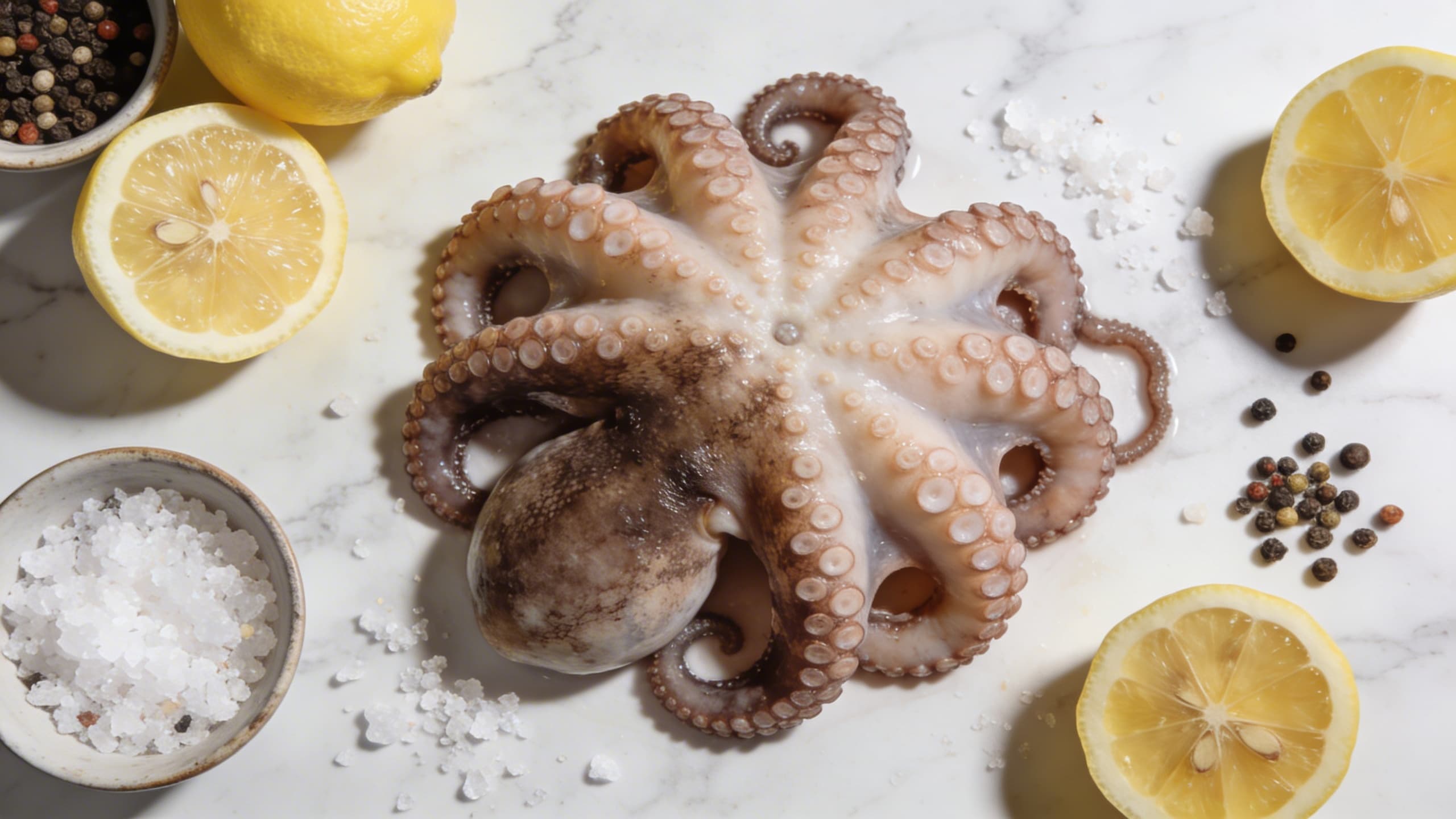
It sounds counterintuitive to a farm-to-table enthusiast, but when it comes to octopus, the freezer is your best friend. The muscle structure of an octopus is incredibly dense, packed with cross-linked collagen.
When you freeze an octopus, the water inside its cells expands into ice crystals. These microscopic shards act like tiny needles, piercing and rupturing the tough connective tissues from the inside out.
Did You Know? Commercial kitchens often prefer "sushi-grade" frozen octopus because the industrial freezing process is so effective at pre-tenderizing the meat before it even touches a pan.
2. The Ancient "Dry Braise": No Water Needed
The biggest mistake I see is boiling octopus in a pot of water. This dilutes the essence—the terroir of the sea. Instead, follow the Greek and Italian coastal method: the dry braise.
Octopus is roughly 80% water. When placed in a heavy-bottomed pot (like a copper pot or Dutch oven) over very low heat, it will release its own liquid. This "octopus liquor" is a concentrated brine that gently poaches the meat in its own flavors.
- Place the octopus in a cold pot with a splash of olive oil and a few peppercorns.
- Cover tightly and simmer on the lowest possible setting.
- Let it "bathe" for 40-60 minutes until a knife slides into the thickest part of the tentacle like butter.
Ingredients are the ink, the plate is the page. Let the octopus write its own story in its own juices.
3. The Cork Myth vs. The Vinegar Reality
You may have heard that throwing a wine cork into the pot tenderizes the meat. While some chefs swear by the enzymes in natural cork, the science is shaky. However, a splash of red wine vinegar or a squeeze of lemon is a different story. The acidity helps break down the collagen more efficiently during the braising process.
Pro Tip: If you want to honor the old ways without the cork, focus on the "beating." If you have fresh octopus, massage it vigorously with coarse sea salt for 10 minutes until a white foam forms. This traditional Italian technique, called arricciatura, tightens the skin and softens the muscle.
4. Smoky Innovation: The Fusion Finish
Once your octopus is tender from the braise, it’s time to introduce it to a new world. This is where we move from the Mediterranean coast to the smoky heart of the BBQ pit.
The goal here isn't to cook the octopus—it’s already cooked—but to achieve a "charred harmony." I prefer using fruitwoods like cherry or apple, which complement the natural sweetness of the seafood without overpowering it.
- The Setup: Heat your grill to high (around 450°F).
- The Glaze: Brush the tentacles with a blend of olive oil, smoked paprika (pimentón), and a touch of honey.
- The Sear: Grill for only 2-3 minutes per side. You want crispy, charred suckers and a hint of wood smoke.
Warning: Do not over-grill! Since the octopus is already tenderized, excessive heat will dry it out, turning your silky triumph back into a rubbery disaster.
5. The Rest and the Emulsification
The final secret to fusion-worthy results lies in the rest. Just like a steak, octopus needs to settle. But here’s the chef’s secret: save that purple braising liquid. Whisk it with high-quality Italian olive oil to create a vibrant, briny emulsification to drizzle over the charred tentacles.
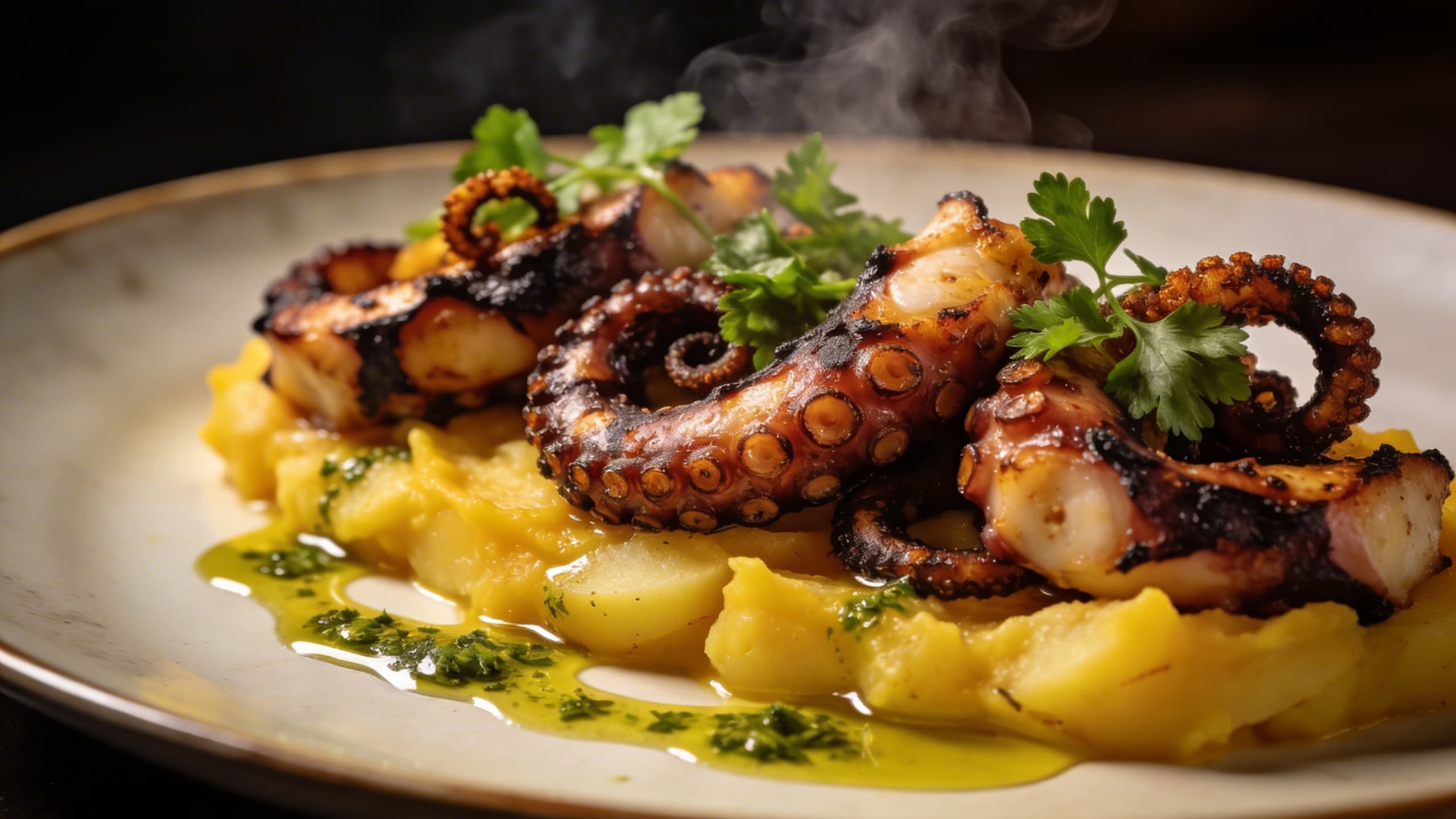
Key Takeaway: Tender octopus is a result of patience (the braise) followed by passion (the char). Respect the collagen, embrace the freezer, and never, ever boil it in plain water.
The journey from the deep sea to the smoky grill is one of transformation. By honoring the techniques of the past while daring to innovate with smoke and fire, you create a dish that doesn't just feed the body—it tells a story of cultural migration and culinary harmony.
Taste the history.
#cookingtechniques #octopus #fusioncuisine #bbqtips #italianfood