

Reviving Gremolata: Ancient Italian Zest Meets Global Fire
Why a sharp knife and a bold heart are the ultimate tools for flavor alchemy.

The Soul of the Garnish: Why Your Knife is the Only Tool That Matters
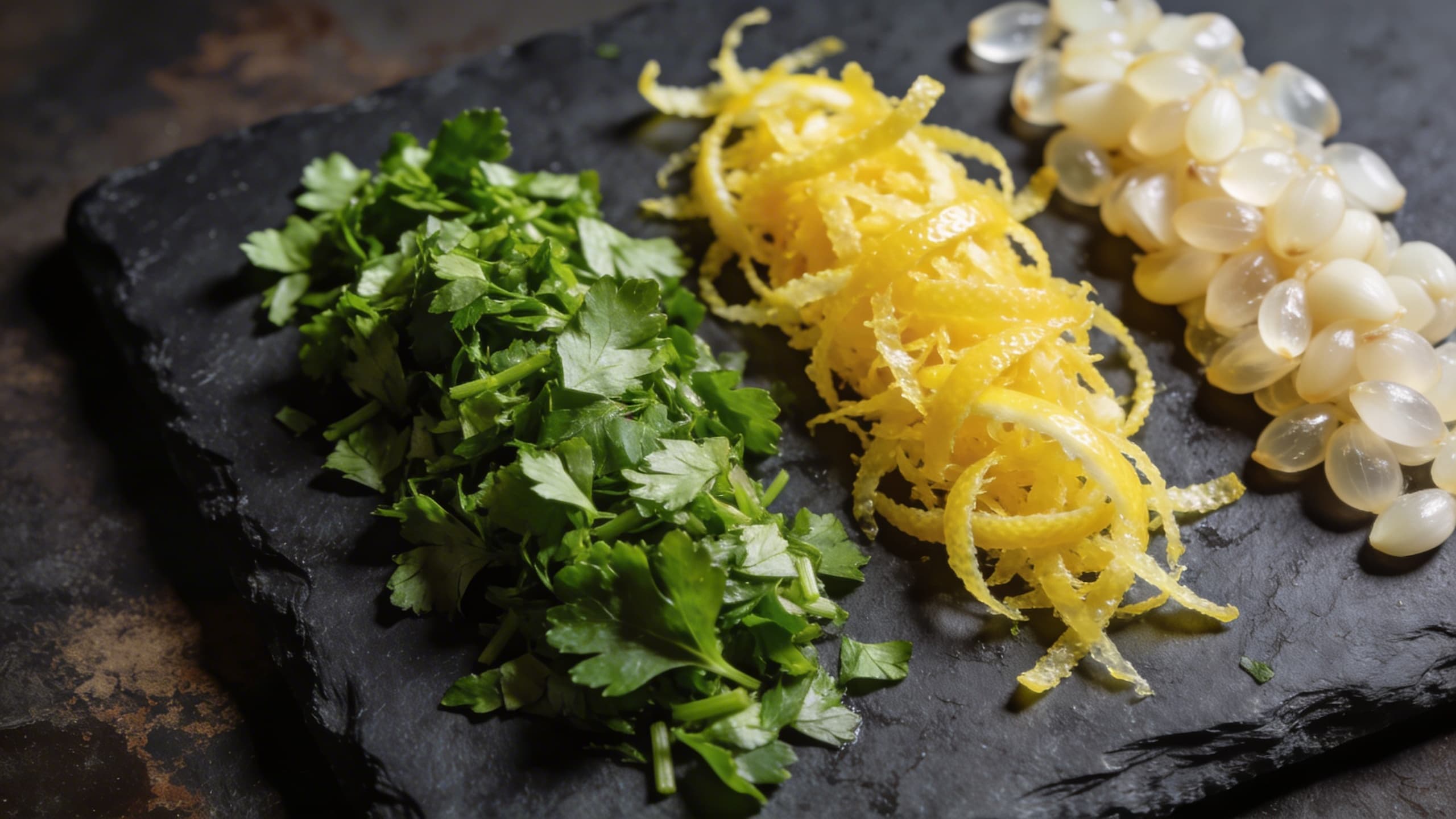
In the bustling kitchens of Milan, the scent of lemon zest and parsley is as foundational as the stone of the Duomo. Gremolata—that vibrant, three-ingredient trinity of parsley, garlic, and lemon—is often treated as an afterthought, a mere sprinkle to finish a plate. But to me, it is the essence of balance. It is the high-pitched violin note that cuts through the deep, bass-heavy richness of a slow-braised Osso Buco.
Yet, as I’ve traveled from the traditional trattorias of my youth to the smoke-filled pits of the American South, I’ve realized that this ancient Italian zest is not a museum piece. It is a living, breathing passport to flavor. However, to truly master it, I had to review my own mechanical approach to the tools I use.
Great cooking is about technique, not complexity. Gremolata is the ultimate proof of that.
The Review: Why Your Food Processor is Ruining Your Gremolata
When I first started experimenting with high-volume fusion dishes, I made a mistake that still haunts my processors. I thought efficiency was king. I threw my parsley, garlic, and lemon peel into a high-speed blender. The result? A wet, oxidized, bitter paste that looked more like pond scum than a vibrant garnish.
If you are serious about your craft, you must invest in a high-carbon steel chef's knife. A sharp blade slices through the cells of the parsley rather than crushing them. When you crush parsley, you release chlorophyll and enzymes that turn bitter within minutes. A clean slice preserves the "soul" of the herb, keeping it fluffy, dry, and aromatic.
Pro Tip: Never use a food processor for gremolata. The heat from the blades partially cooks the herbs and mutes the citrus oils. Hand-chopping is the only way to respect the lineage of this dish.
5 Customization Techniques to Ignite Global Fire
Once you’ve mastered the classic ratio (traditionally equal parts by volume, though I prefer a 3:1:1 ratio of parsley to zest to garlic), it’s time to dare the world to meet your plate. Here are five ways I’ve pushed the boundaries:
- The Smoke-House Swap: Replace half the parsley with fresh cilantro and use charred lime zest instead of lemon. This is my secret weapon for fatty brisket or pulled pork.
- The Mediterranean Heat: Incorporate finely minced Calabrian chiles or dried Aleppo pepper. The fruitiness of the pepper harmonizes with the lemon while the heat cuts through the fat of grilled lamb.
- The Umami Bomb: Add a teaspoon of finely grated bottarga (cured fish roe) or a hint of white miso paste. This creates a bridge between Italian tradition and Japanese precision.
- The Nutty Crunch: Fold in toasted, crushed pistachios or pine nuts at the very last second. This adds a textural "terroir" that transforms the garnish into a rustic pesto-adjacent topping.
- The Floral Migration: Use Meyer lemons and a pinch of dried lavender or sumac. This nods to the Silk Road origins of citrus and pairs beautifully with roasted poultry.
The Pitfall of the "Acid Trap"
The most common mistake I see in fusion cooking is over-acidifying. Gremolata is intended to be a dry garnish. The moment you add lemon juice, you begin a chemical reaction. The acid turns the bright green parsley into a dull, brownish olive color within ten minutes.
Warning: Only use the zest (the flavedo). Avoid the white pith, which is bitter, and save the juice for a vinaigrette. A wet gremolata is a failed gremolata.
Pairing with the Primal: Gremolata Meets the Pit
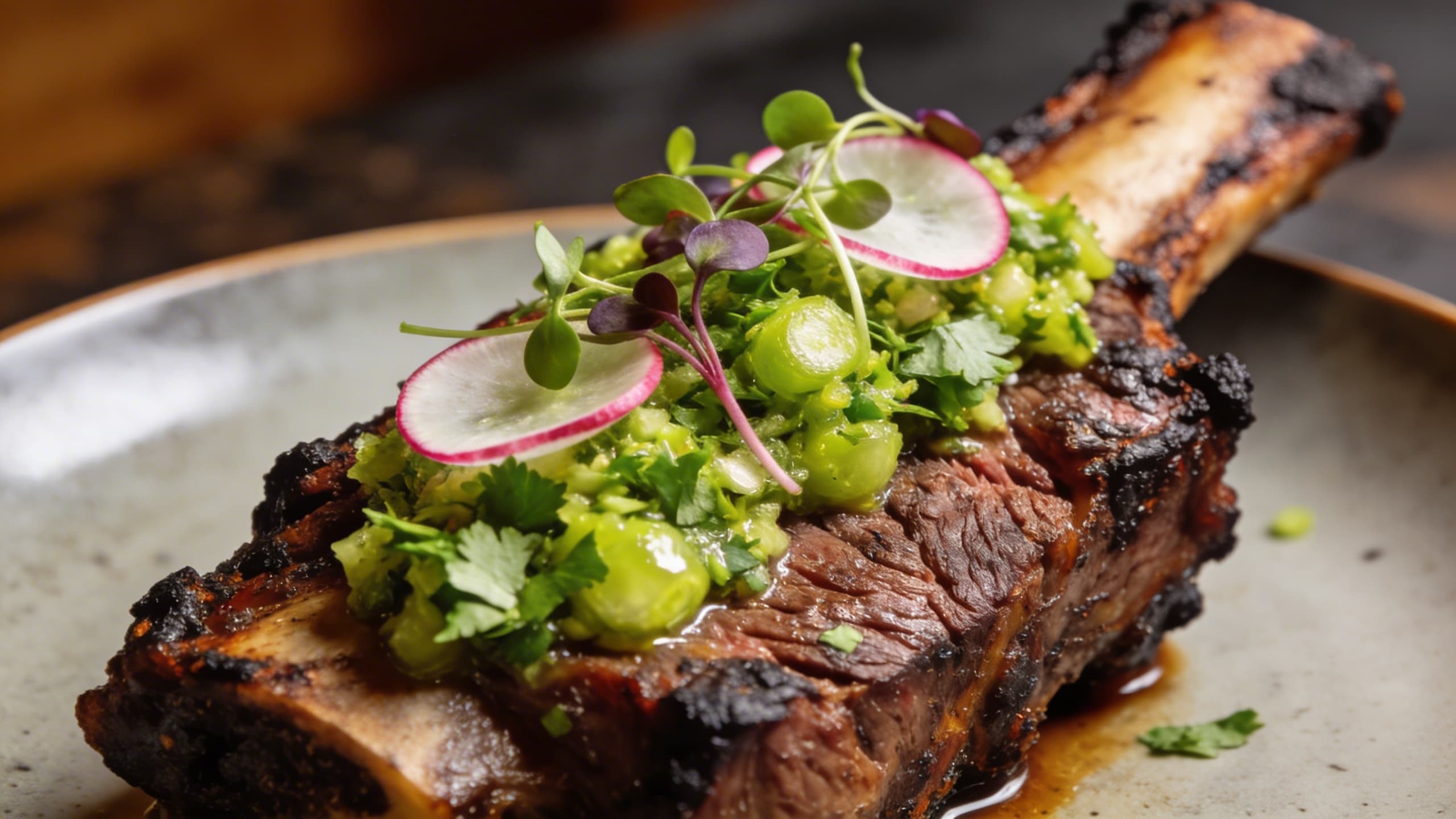
In my BBQ journey, I’ve found that gremolata is the "reset button" for the palate. When you’re eating a heavy, salt-and-pepper rubbed smoked meat, your taste buds can become fatigued by the third bite.
Key Takeaway: Gremolata acts as a palate cleanser. The volatile oils in the citrus and the sulfur compounds in the garlic cut through the heavy lipids of the meat, making every bite feel like the first.
Final Thoughts: Respecting the Lineage
Whether you are finishing a traditional Milanese veal shank or a Texas-style beef rib, remember that ingredients are the ink and the plate is the page. Don't just follow a recipe; listen to the harmony of the ingredients. A little zest, a sharp knife, and a bold heart are all you need to revive this ancient Italian treasure for the modern world.
Taste the history, but don't be afraid to rewrite it.
#gremolata #fusioncooking #chefxi #bbqlife #italianroots