

Reviving Farro's Roman Legacy: 5 Fusion Techniques to Infuse Thai and Burrata Vibes Without Losing Authenticity
Bridging the gap between Roman legions and modern Thai-Italian fusion through the power of ancient macros.

The Grain of Legions: Why Farro is the Ultimate Macro Powerhouse
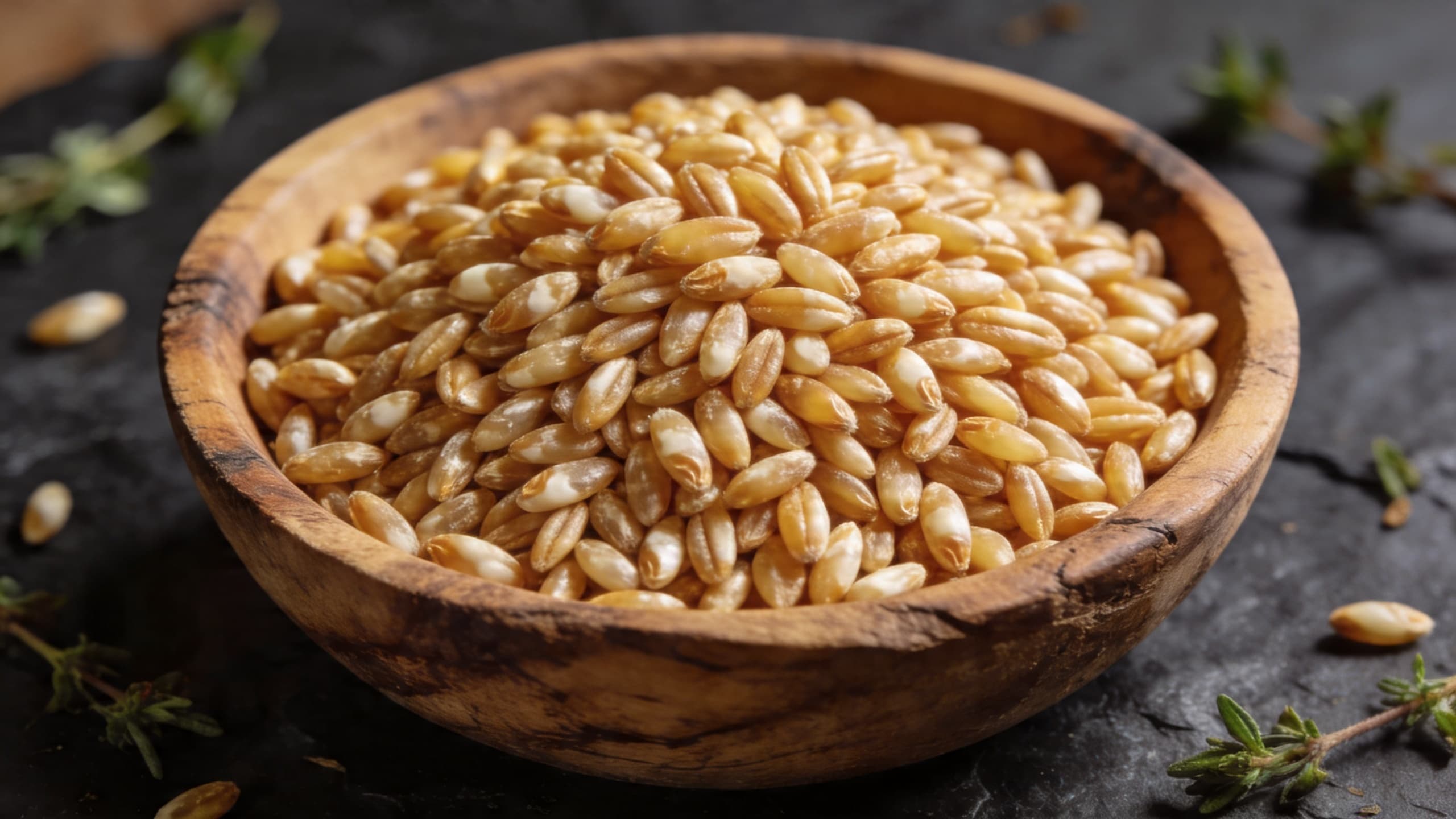
In the sun-drenched fields of ancient Italy, farro wasn't just food; it was the fuel of the Roman Empire. Long before the refined white rices of the modern era dominated our risotto pans, this resilient, nutty grain—Triticum turgidum dicoccum—sustained the legions. As a chef who lives at the intersection of heritage and innovation, I’ve spent years deconstructing why this grain feels so much more "soulful" than its cousins.
The answer lies in its provenance and its profile. Unlike modern arborio, which relies heavily on simple starches, farro is a complex carbohydrate titan. It offers a dense matrix of fiber and protein that keeps the spirit energized and the body balanced. When we talk about "understanding macros in everyday meals," we often look for what to take away. I prefer to look at what we can add back in from history.
The Nutritional Alchemy of the Ancient Grain
When I first started swapping farro into my risotto—or farrotto, as we call it in the trade—the difference wasn't just in the bite. It was in how I felt after the meal. Traditional rice provides a quick spike of glucose; farro provides a slow, steady release.
Did You Know? Farro contains significantly more protein than white rice and is packed with cyanogenic glucosides, which are believed to stimulate the immune system and lower cholesterol.
From a macro perspective, 100g of cooked farro provides about 6g of protein and 5g of fiber. Compare that to white arborio rice, which often strips away the bran and germ, leaving you with mostly starch. By choosing farro, you are building a nutritional legacy into your plate without sacrificing that creamy, luxurious mouthfeel we crave.
5 Fusion Techniques to Revive the Legacy
Bringing Thai aromatics and Italian Burrata into the world of farro requires a delicate hand. You cannot simply "add ginger" and call it fusion. You must respect the lineage of both cultures. Here are the techniques I’ve refined in my kitchen trials to ensure harmony on the plate.
1. The "Tom Yum" Toasted Base
In Italy, we always toast our grains in fat (tostatura) to lock in the shape. To bridge the gap to Thailand, I replace the traditional butter with a high-quality coconut oil infused with crushed lemongrass and galangal. This creates a fragrant foundation that seeps into the heart of the farro during the long simmer.
2. The Slow-Release Infusion (Galangal over Onion)
Instead of a standard soffritto of onions, I use a finely minced paste of galangal and shallots. The farro’s inherent nuttiness acts as a perfect canvas for the sharp, piney notes of the galangal. Because farro takes longer to cook than rice (usually 25-30 minutes), these flavors have more time to mature and meld.
Pro Tip: Always use "pearled" or "semi-pearled" farro for fusion risottos. Whole farro requires overnight soaking and can remain too tough for a creamy dish, while pearled farro strikes the perfect balance of chew and starch release.
3. Emulsifying with Burrata "Crema"
The most common mistake in fusion is losing the "Italian-ness." To keep the authenticity, I finish the dish with a Burrata crema. By whisking the creamy heart of the Burrata with a touch of lime zest and fish sauce, you create an emulsification that mimics the traditional mantecatura (the final vigorous stirring of butter and parmesan).
Great cooking is about technique, not complexity. Farro demands patience; the rewards are both nutritional and transcendental.
4. The "Umami" Broth Swap
Instead of a standard chicken or vegetable stock, I utilize a mushroom-dashi base seasoned with a whisper of Thai basil stems. The earthiness of the mushrooms mirrors the terroir of the farro, while the basil provides a high-frequency aromatic lift that keeps the heavy grains feeling vibrant.
5. Achieving the "Al Dente" Harmony
Farro will never be as soft as rice, and it shouldn't be. The goal is a "pop" in every bite. To achieve this while maintaining a creamy sauce, I stop the cooking when the grain is still slightly resistant to the tooth, then let it rest covered for 5 minutes with the Burrata crema. This "carry-over" cooking is the secret to a perfect texture.
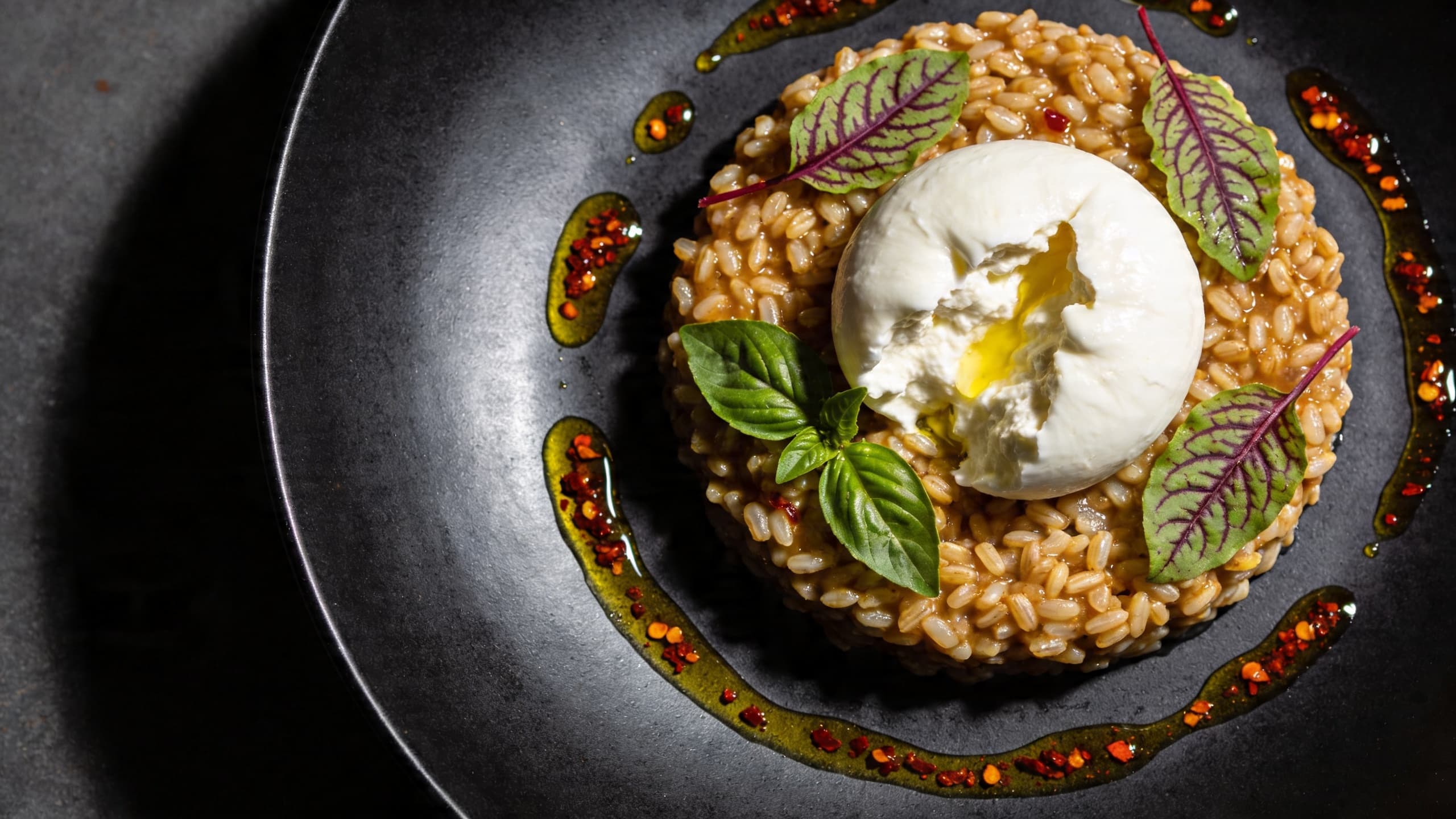
Plating the Vision: Thai-Basil Farrotto with Burrata
When you plate this dish, you are looking for a vibrant contrast. The deep, earthy brown of the farro against the stark, snowy white of the Burrata, topped with the neon green of fresh Thai basil.
Key Takeaway: Ancient grains like farro aren't just for salads. Their robust nutritional profile and complex starch structure make them the perfect vehicle for bold, global flavors that would overwhelm delicate white rice.
Final Thoughts: Respect the Lineage
Every time I stand over a pot of simmering farro, I feel like I'm having a conversation with a Roman cook from two millennia ago. By adding Thai aromatics or the luxury of Burrata, I'm not erasing that history—I'm continuing it. We are nomadic flavor alchemists, and the plate is our page.
Warning: Be careful with salt! If you are using fish sauce in your Burrata crema, reduce the salt in your cooking broth. Farro absorbs liquid deeply, and it’s easy to over-season the core of the grain.
Taste the history. Respect the lineage. And most importantly, enjoy the vibrant harmony of a meal that nourishes both the soul and the body. 🌿🇮🇹🇹🇭
#ancientgrains #farro #fusioncooking #nutrition #chefxi #mediterraneandiet