

Reviving Ancient Italian Blanquette de Veau with Galangal: 4 Technique Traps I Learned the Hard Way
Why your global meal kit is failing the aromatics test—and how to fix it.

The White Stew Revolution: Why Meal Kits Often Fail the Blanquette Test
There is a certain architectural elegance to a traditional Blanquette de Veau. It is a "white stew," a rare culinary specimen where neither the meat nor the butter is permitted to brown. It demands a purity of color and a silkiness of texture that feels almost liturgical. But as someone who has spent years blending the rigorous discipline of Italian technique with the vibrant, volatile world of global spices, I couldn't help but ask: what happens when this French-Italian border-crosser meets the sharp, piney citrus of Southeast Asian galangal?
I’ve spent the last month reviewing several high-end "global" meal kit services that promised "authentic fusion" experiences. Most of them failed. Why? Because they treat aromatics like galangal as if they were just "stiff ginger." They ignore the volatile oils that can either elevate a dish to the sublime or turn it into a medicinal disaster.
Great cooking is about technique, not complexity. If you don't respect the volatile nature of your ingredients, you aren't cooking; you're just heating things up.
Trap 1: The "Ginger Substitute" Delusion
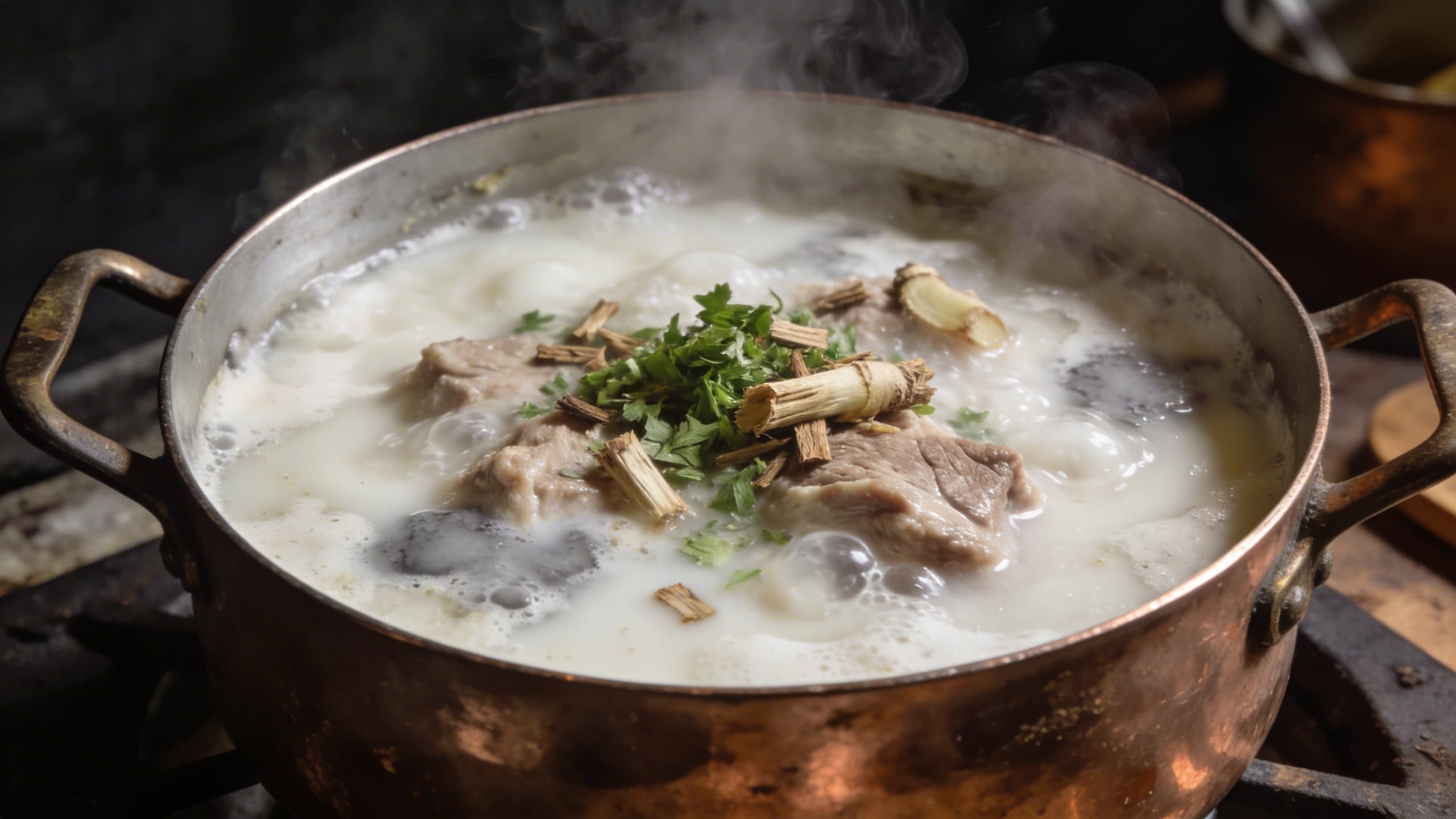
The most common mistake I saw in these meal kit instructions—and one I admittedly made in my early experiments—is treating galangal like its cousin, ginger. While they look similar, their chemistry is worlds apart. Ginger is warm and spicy; galangal is sharp, citrusy, and loaded with 1,8-cineole (the same compound found in eucalyptus).
In one particular kit, the instructions had me mince the galangal and sauté it with the mirepoix. The result? A bitter, woody texture that fought against the delicate veal.
Tip: Never mince galangal for a long braise. Slice it into thick "coins" and bruise them with the back of your knife. This allows the essential oils to infuse the cream sauce without leaving behind a fibrous, unpleasant texture.
Trap 2: The Heat vs. Aroma Conflict
Traditional Blanquette relies on a roux blanc or a liaison of egg yolks and cream. Galangal’s volatile oils are highly heat-sensitive. If you boil the stew too vigorously, you lose the top notes of the spice, leaving only a dull, earthy bitterness.
I remember a night in my own kitchen where I let the simmer get too aggressive. The veal remained tender, but the "soul" of the galangal—that vibrant, floral essence—had evaporated into the kitchen air, leaving the plate feeling flat.
Pro Tip: Infuse your galangal into the stock before adding it to the roux. Think of it like a tea. Controlled temperature (around 180°F/82°C) extracts the aromatics without scorching the delicate proteins in the veal.
Trap 3: The Acidity Imbalance
In a classic Italian-inflected Blanquette, we often use a touch of lemon juice or a crisp white wine like a Gavi to cut through the richness of the cream. When you introduce galangal, you are already adding a "citrus-adjacent" flavor profile.
If you follow a standard meal kit recipe and add the juice of a whole lemon, you will likely create a dish that is jarringly acidic. The galangal amplifies the perception of sourness.
Key Takeaway: When using galangal in a creamy stew, reduce your added acidity by half. Taste at the very end. You want the galangal to provide the "brightness," while a tiny drop of lemon juice acts only as a catalyst to wake up the salt.
Trap 4: Ignoring the "Resting" Phase
Fusion is a marriage, and marriages take time to settle. One kit I reviewed suggested serving the stew immediately after the liaison was added. This is a mistake. The piney notes of the galangal need a few minutes of "quiet time" to meld with the fat of the cream and the gelatin of the veal.
Respect the lineage of the dish, but give the new ingredients space to breathe.
The Verdict: Can Meal Kits Do Fusion?
After testing four different services, my review is mixed. Most kits prioritize speed over the "low and slow" philosophy required for true fusion mastery. They provide the ingredients, but they skip the science.
If you’re going to attempt a Galangal-infused Blanquette, ignore the "30-minute meal" timers. Trust your nose. Bruise your roots, keep your simmer low, and remember that the plate is a page where history meets the horizon.
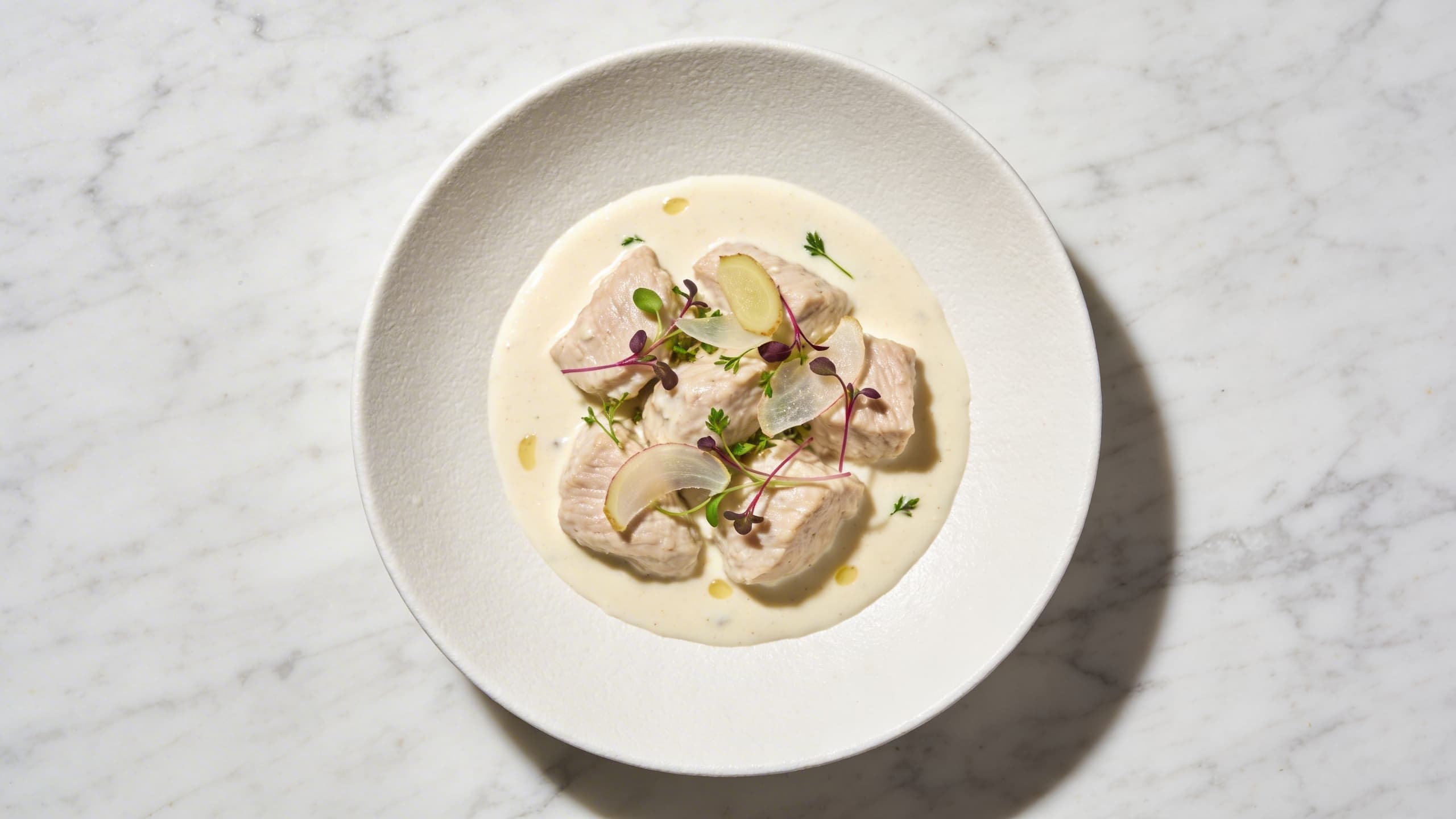
Did You Know? Galangal was actually used in Medieval European cooking, often appearing in recipes alongside grains of paradise. By bringing it back into an Italian-style veal stew, we aren't just being "trendy"—we're reviving a forgotten legacy.
Stay curious, stay bold, and always taste the history.
#FusionCooking #ItalianCuisine #ChefTips #MealKitReview #GalangalRecipes