

Nduja's Rebel Heart: 6 Fusion Pairing Pitfalls I Learned the Hard Way
Mastering the spreadable fire of Calabria through trial, error, and global fusion.

The Calabrian Fire in a Nomadic Kitchen
The first time I encountered 'nduja, it wasn't in a sleek stainless steel kitchen or a high-end deli. It was in a sun-drenched corner of Calabria, where the air smelled of salt and drying peppers. That vibrant, spreadable salami felt less like an ingredient and more like a challenge—a rebel heart wrapped in casing. As I transitioned from my classical Italian roots to a life of culinary wandering, 'nduja became my constant companion, the "ink" I used to write new stories on plates from Bangkok to Rio.
But let me be honest: my early attempts at "bridging worlds" with this spicy powerhouse weren't always successful. I’ve had sauces break, flavors clash like cymbals in a quiet room, and proteins completely disappear under the weight of Calabrian chilies. Through those robotic trials and smoke-filled errors, I learned that 'nduja demands respect for its lineage before it allows you to innovate.
Did You Know? The name 'nduja is actually a linguistic cousin to the French andouille. It was likely introduced to Southern Italy during the Napoleonic era, proving that this sausage has been a product of fusion and migration since its very inception.
1. The Fat-Cap Fumble: Understanding the Chemistry
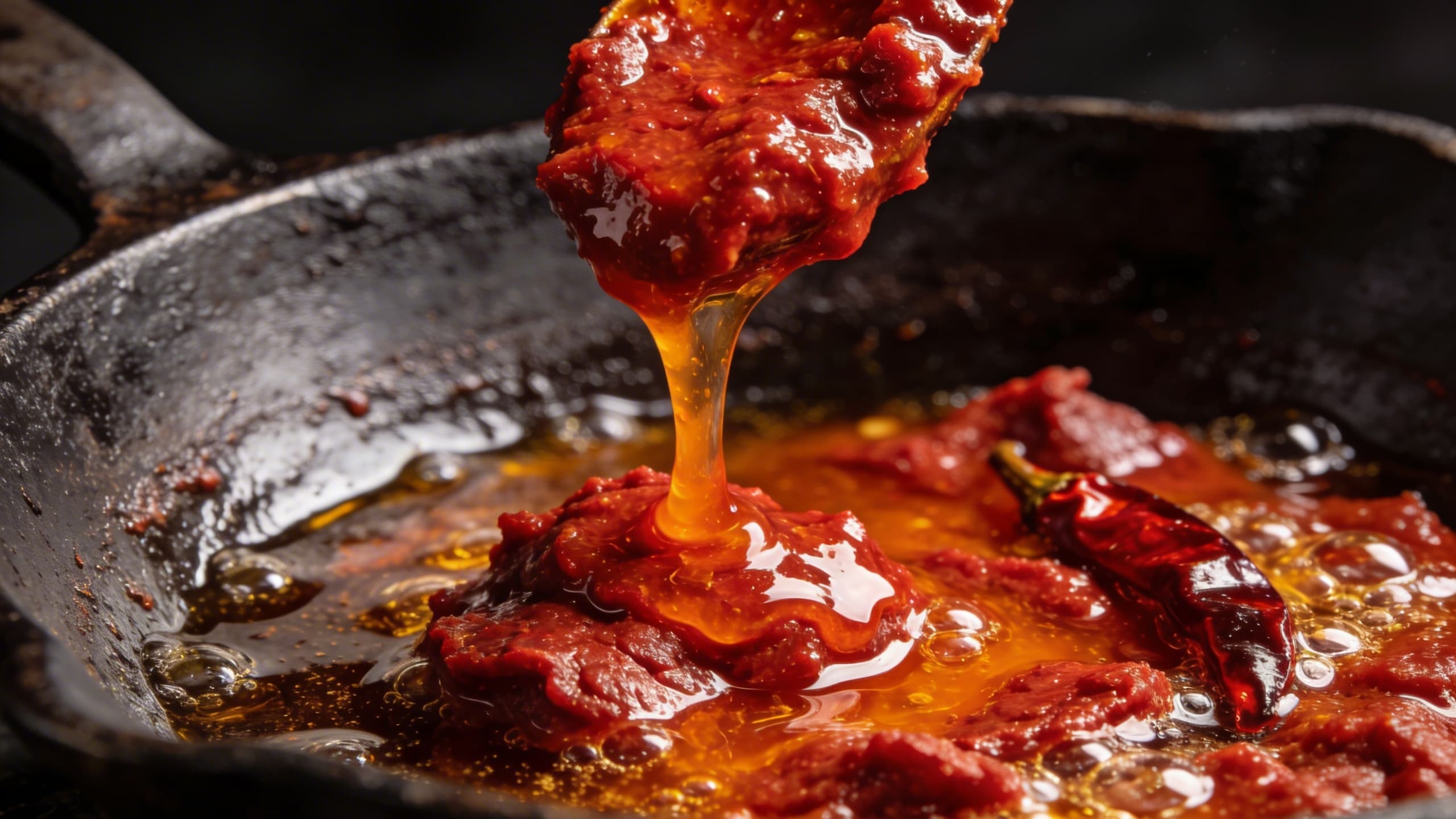
'nduja is roughly 50% fat. In my early experiments with Hickory-Smoked 'Nduja Shrimp, I made the mistake of treating it like a solid protein. I threw a large dollop into a hot pan with butter, expecting it to sear. Instead, it melted instantly, creating an oil slick that drowned the delicate sweetness of the shrimp.
The Fix: Treat 'nduja as a seasoned fat, not a meat. Start with a cold pan or add it to an existing base of aromatics at a lower temperature. Let it gently "render" its soul into the oil. This creates a vibrant, orange-hued emulsion that coats every ingredient rather than overwhelming them.
2. The Smoke Signal Sabotage
When I first started integrating my love for BBQ with Italian antiquity, I thought: "Everything is better with hickory." I was wrong. Pairing 'nduja with heavy, dark smoke can create a bitter, acrid profile. The fermented funk of the pork and the sharp heat of the peppers don't always play nice with intense wood smoke.
The Fix: Use "sweet" woods like apple or cherry, or keep the smoke time brief. When I do my signature 'nduja-rubbed ribs, I use a light kiss of hickory just at the start, then let the 'nduja do the heavy lifting during the final glaze. It’s about harmony, not a battle of the titans.
Pro Tip: If you’re grilling with 'nduja, use it as a finishing "butter." Mix the sausage with a little honey and lime juice, and brush it on in the last 2 minutes of cooking. This preserves the brightness of the chili.
3. The Acid Amnesia
'nduja is rich, spicy, and funky. Without a sharp counterpoint, it can feel "heavy" on the palate. In my early days, I’d make these incredible 'nduja and Gorgonzola pastas that were delicious for three bites—and then felt like a lead weight. I had forgotten the essential lesson of provenance: balance.
The Fix: Acid is your best friend. Whether it’s a splash of red wine vinegar, a squeeze of charred lime, or even a garnish of pickled red onions. In my fusion trials, I found that 'nduja loves the fermented acidity of Thai lime or the sharp tang of a Brazilian vinagrete.
4. The "More is Better" Myth
Because 'nduja is so vibrant, it’s tempting to use it as the main event. But 'nduja is a catalyst. When I tried to make a 'nduja-heavy "bolognese," the complexity of the pork was lost, and all I could taste was heat. It was a generic spicy meat sauce—a culinary sin in my book.
The Fix: Use it as a background note. Think of it as a "bouillon cube" of flavor. A small amount—just a tablespoon for a pan of four—provides a deep, humming heat that allows other ingredients, like fresh pasta or roasted vegetables, to shine.
Ingredients are the ink, the plate is the page. Don't let the ink blot out the story.
5. The Dairy Disaster
There’s a reason you often see 'nduja paired with Burrata or Ricotta. The fat in the dairy coats the tongue, protecting it from the capsaicin. However, I once tried to make a 'nduja-infused cream sauce for a seafood dish. The acidity in the fermented sausage caused the cream to curdle into an unappealing mess.
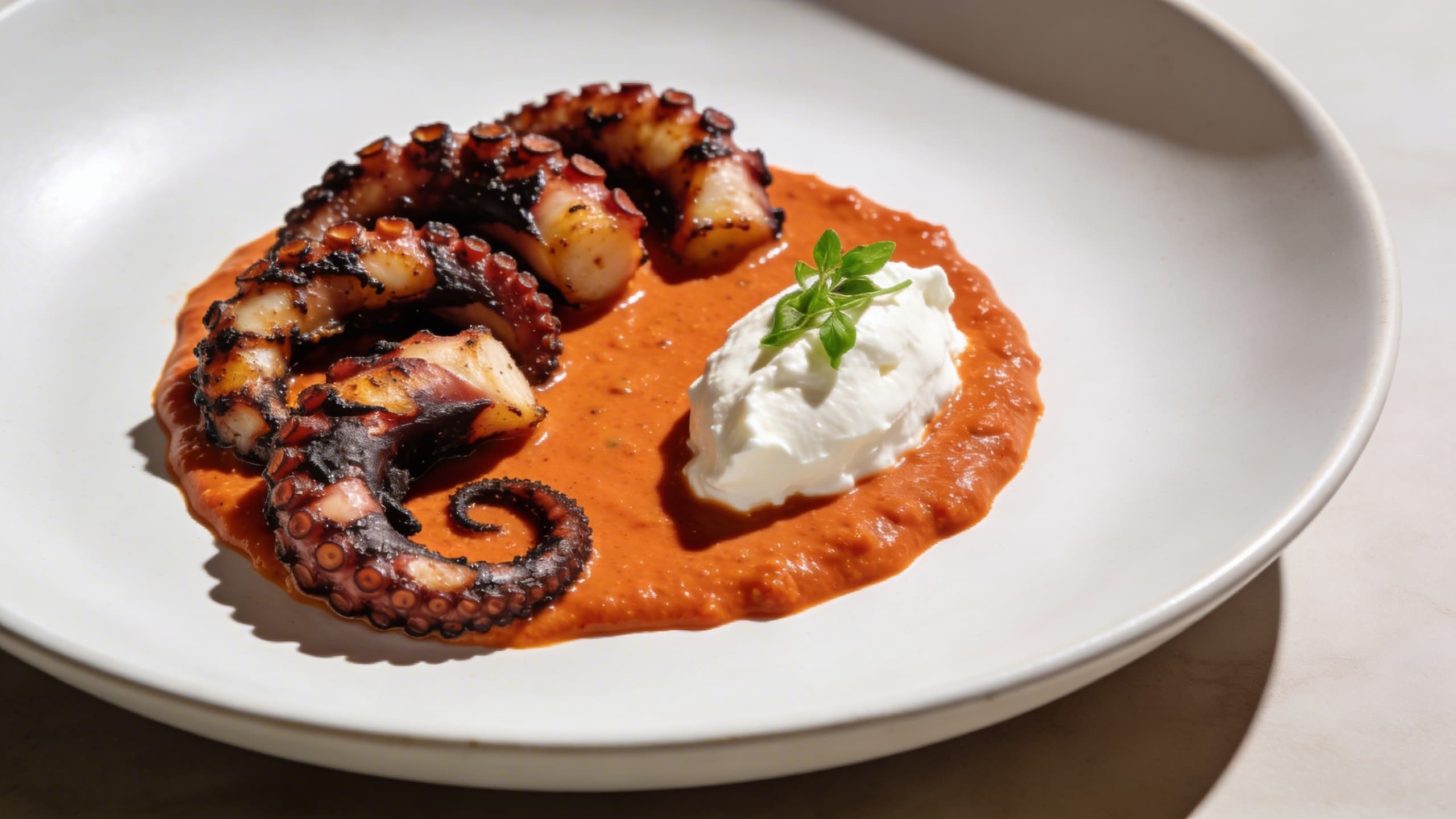
The Fix: If you’re using dairy, fold the 'nduja into the fat first, or use stabilized fats like mascarpone or crème fraîche. Better yet, keep them separate on the plate—a dollop of cold, creamy cheese against the warm, spicy oil creates a temperature and texture contrast that is pure magic.
6. Ignoring the "Funk" Factor
'nduja is a fermented product. It has a distinct, aged tang that is beautiful but can be polarizing. When I tried to pair it with very "clean" flavors like raw cucumber or delicate white fish without any preparation, the funk of the sausage made the fish taste "off."
The Fix: Bridge the gap with a middle-ground ingredient. Use something charred, roasted, or naturally sweet. Roasted corn, caramelized onions, or even grilled peaches provide a bridge between the raw freshness of a protein and the deep, fermented soul of the 'nduja.
Key Takeaways: The Rebel’s Handbook
Key Takeaway:
- Temper the Heat: Always render 'nduja over low to medium heat to avoid scorching the peppers.
- Balance with Acid: Never serve 'nduja without a bright, acidic component to cut the richness.
- Respect the Ratio: Treat it as a seasoning, not a bulk protein.
- Pair with Purpose: Look for ingredients that provide sweetness or creaminess to balance the spice and funk.
Cooking is an act of bravery. It’s about taking a piece of Calabrian history and seeing how it dances with a hickory flame or a splash of yuzu. You will make mistakes—I certainly have—but that is how we find the harmony.
Taste the history, but don't be afraid to change the ending.
#nduja #fusioncooking #chefxi #culinarytips #italiancuisine